









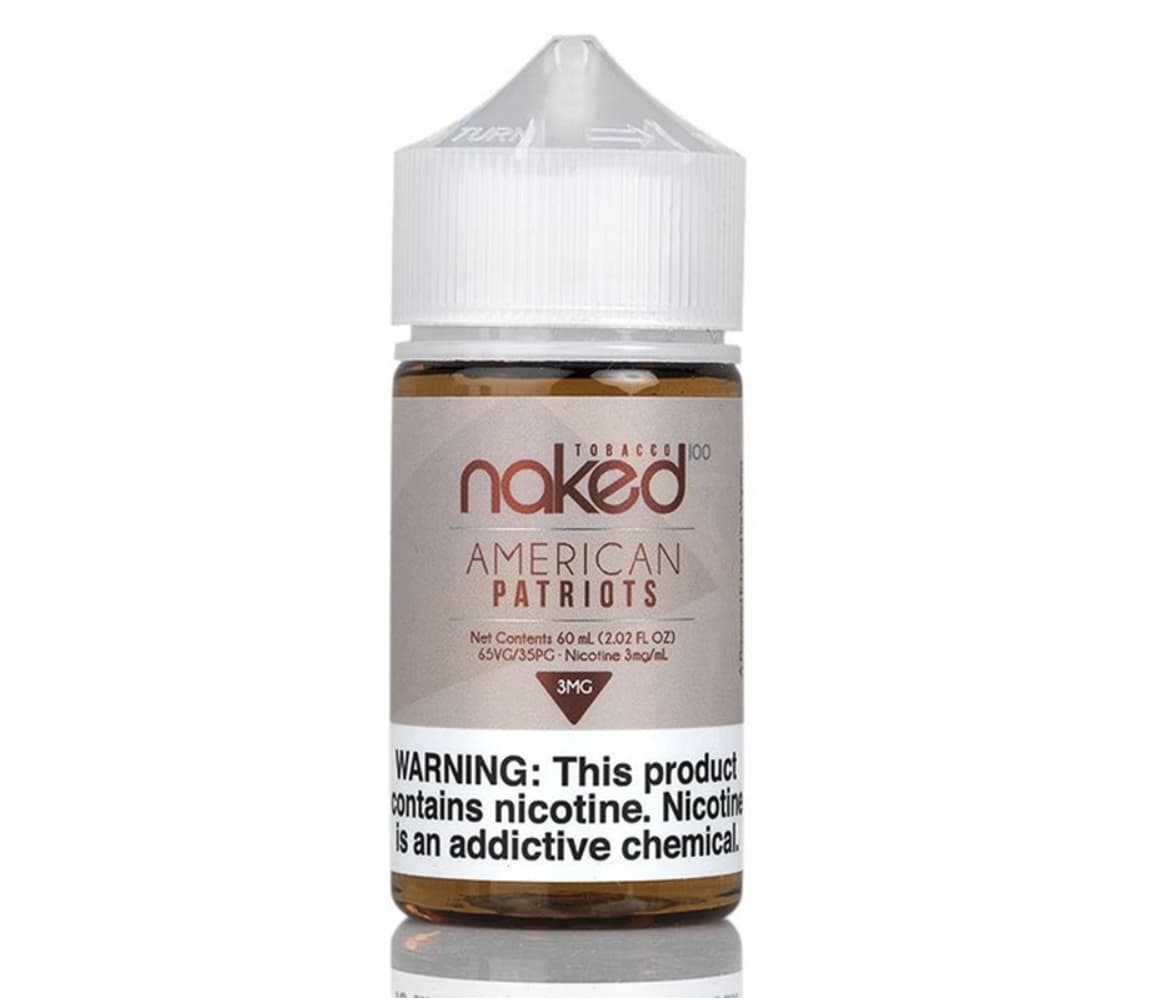
Since the UK introduced its new Vaping Products Duty, e-liquid buyers have been looking for ways to keep their vaping costs under control. Some are searching for retailers that still sell products without the new tax, while others are considering imported liquids, older stock, or alternative e-liquid formats.
The important distinction is between finding a legitimate lower-priced product and trying to avoid a tax that legally applies. As of October 2026, there is no general online-shop exemption that allows a UK retailer to sell newly manufactured or imported e-liquid without the applicable duty simply because the product is sold at a discount.
There are, however, several practical ways to compare prices, understand transitional stock rules, and avoid paying more than necessary.
If you’re looking for practical ways to manage higher e-liquid prices, read our guide to reducing your vaping costs after the UK Vaping Products Duty for tips on comparing prices and avoiding unnecessary spending.
What Is the UK Vaping Products Duty?
The UK Vaping Products Duty came into effect on 1 October 2026. The standard rate is £2.20 per 10ml of vaping liquid.
The duty applies to liquids intended for vaping, including products with nicotine and nicotine-free e-liquids. It can therefore affect bottled e-liquid, prefilled pods, and other products containing vaping liquid.
The duty is paid by businesses responsible for the relevant stage of the supply chain. Retailers may pass some or all of this cost on to customers, depending on their pricing decisions.
For shoppers, the key point is that the final retail price can vary between sellers even when the underlying duty rate is the same.
For the official rules, consult the UK government’s Vaping Products Duty guidance.
Can You Still Buy E-Liquid Without the New Duty?
There is a limited transitional arrangement worth understanding.
HMRC has allowed retailers and wholesalers to sell eligible existing stock that was not liable for the new duty and does not carry a duty stamp during the transition period ending on 31 March 2027. This does not mean that retailers can freely import or manufacture new products without paying the duty.
If you see a product advertised as being sold without the new duty, ask the seller whether it is eligible transitional stock and whether it complies with the rules applicable to that product.
Do not assume that an unstamped bottle is automatically illegal, but do not assume it is legitimate either. During the transition, the product’s origin, when it entered the market, and the applicable duty rules all matter.
From 1 April 2027, the government says vaping products sold in the UK must carry a valid vaping duty stamp unless a specific legal exception applies.
Where Should You Look for Lower-Priced E-Liquid?
Rather than searching for sellers promising to bypass the tax, compare legitimate retailers and the total price you will pay.
1. Established UK Vape Retailers
Start with established retailers that clearly display their business details, product information, prices, and delivery charges.
Compare the final price of the same product across several stores. A retailer may absorb part of the duty, offer a genuine promotion, or price its existing stock differently from a competitor.
Check the bottle size carefully. A lower headline price does not necessarily mean a lower cost per millilitre.
2. Retailers Selling Eligible Transitional Stock
Some retailers may still have eligible pre-duty stock available during the transition period.
If you find such a product, confirm its size, nicotine strength, expiry or best-before information where applicable, and whether the seller can explain its transitional status.
Availability will vary, and older stock is not guaranteed to be cheaper. Compare the final price rather than assuming that a pre-duty product offers the best deal.
For a closer look at how the new charge may affect different product formats, see our analysis of UK vape tax and its potential impact on e-liquid and pod prices.
3. Genuine Multi-Buy Offers
Promotions can help reduce the overall amount you spend, even when the applicable duty is included in the retail price.
Look for transparent multi-buy discounts, loyalty rewards, or sale prices from reputable sellers. Calculate the effective cost per 10ml and include delivery charges before deciding which offer provides better value.
Avoid buying more liquid than you can reasonably use before its quality may deteriorate.
4. Compare Different Bottle Sizes
A larger bottle can sometimes offer a lower price per millilitre, but that depends on the retailer’s pricing and the product format.
For example, the duty component on a 10ml bottle is £2.20. On a 50ml quantity of vaping liquid, the equivalent duty is £11, before accounting for the underlying product price and any VAT.
This is a useful way to compare the tax component, but buying a larger bottle does not automatically avoid the duty.
Does Buying E-Liquid from Overseas Avoid UK Vape Tax?
Not automatically.
Vaping liquid imported into the UK is generally subject to Vaping Products Duty under the applicable import rules. Buying from an overseas website does not create a general exemption, and an apparently cheaper listing may not reflect the full cost of bringing the product into the country.
Before ordering, check whether the seller can legally supply the product to the UK and how duty, VAT, customs requirements, delivery charges, and any applicable restrictions are handled.
Be particularly cautious if a seller claims that all imported e-liquid is tax-free or encourages you to misdeclare a shipment. A low advertised price is not worth the risk of receiving non-compliant goods or facing unexpected charges.
What About Nicotine-Free E-Liquid and Shortfills?
Nicotine-free e-liquid is not automatically exempt from the new duty. The UK rules cover vaping liquids intended to be vaporised, whether or not they contain nicotine.
Shortfills and liquids intended to be mixed with another vaping liquid can also fall within the duty rules. Changing the bottle size, buying a nicotine-free liquid, or adding a nicotine shot does not by itself remove the duty.
If you use shortfills, compare the total cost of the complete combination you intend to use rather than the price of the shortfill alone. Make sure every component is legally sold and suitable for your device.
How to Recognise a Suspiciously Cheap E-Liquid Offer
A low price alone does not prove that a product is illicit. However, some warning signs deserve attention:
- The seller refuses to provide clear business or contact details.
- Product labelling or packaging appears inconsistent or tampered with.
- The seller makes sweeping claims that its products are exempt from UK vape duty without explaining why.
- The price is unusually low and the seller cannot explain the product’s origin.
- The seller encourages buyers to bypass customs requirements or misdeclare goods.
Choose a retailer that provides clear product details and can explain its compliance with the relevant UK rules. Keep your order confirmation and receipt in case you need to resolve a problem.
Practical Ways to Control Your E-Liquid Budget
The most reliable approach is to focus on the total cost of your regular purchases rather than searching for a tax-free loophole.
First, compare the cost per 10ml across reputable sellers. Second, check genuine promotions and eligible transitional stock while it remains available. Third, factor in delivery fees and avoid buying unnecessary quantities just to qualify for a discount.
You can also review how much liquid you use and whether your current device and vaping habits are resulting in unnecessary waste. Follow the manufacturer’s instructions for filling, storage, and use.
Remember that price comparisons should not come at the expense of product quality or legal compliance.
Final Verdict: Is Tax-Free E-Liquid Still Available in the UK?
The new UK Vaping Products Duty has changed the cost calculation for e-liquid, but it does not mean that every retailer must charge the same final shelf price.
Eligible transitional stock may still be sold under the temporary rules until 31 March 2027. Beyond that limited arrangement, buying from another retailer or ordering from overseas does not automatically remove the duty.
For most consumers, the sensible strategy is to compare reputable UK retailers, calculate the final cost per 10ml, and look for transparent discounts. Treat claims of completely tax-free e-liquid with caution unless the seller can clearly explain the applicable legal basis.
The bottom line: You may still find lower-priced e-liquid, but a legitimate bargain is not the same as avoiding a tax that applies under UK law.