










Igeekphone, July 28 – Apple’s traditional September iPhone launch event could undergo its biggest transformation in more than a decade. According to multiple reports from supply chain sources, the company is considering splitting its next-generation iPhone lineup into two launch windows, with premium models arriving in late 2026 and mainstream models following several months later.
If accurate, the strategy would represent a significant shift in Apple’s product release cycle, potentially reshaping its manufacturing plans, marketing strategy, and competitive positioning.

It is important to note that Apple has not officially confirmed these reports, and both the release schedule and product lineup remain subject to change.
A Two-Phase Launch Strategy
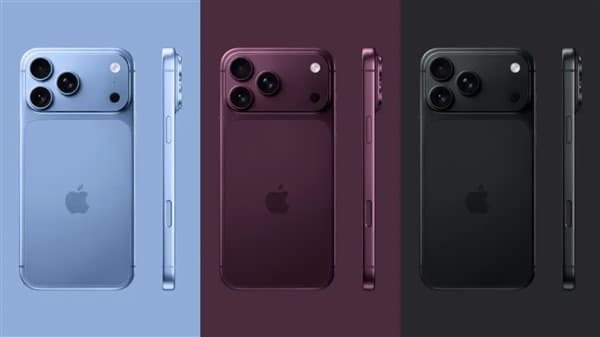
Current supply chain reports suggest Apple plans to unveil the following devices during its traditional September 2026 launch event:
- iPhone 18 Pro
- iPhone 18 Pro Max
- Apple’s first foldable iPhone
The remaining models would reportedly debut in spring 2027, including:
- iPhone 18
- iPhone 18e
- Second-generation iPhone Air
The rumor gained additional attention after the chairman of Japanese electronic component manufacturer Taiyo Yuden, one of Apple’s camera component suppliers, reportedly stated that a major U.S. customer had postponed the launch of a key product until the first quarter of 2027. While the company did not explicitly mention Apple, the timing aligns with recent supply chain speculation.
September 2026 Could Focus Entirely on Premium Devices
Under the rumored strategy, Apple’s autumn event would become an exclusive showcase for its highest-end smartphones.
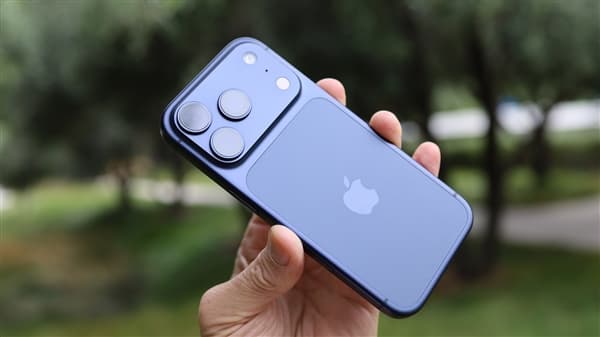
The iPhone 18 Pro and iPhone 18 Pro Max would continue serving as Apple’s flagship models, while the company’s long-awaited foldable iPhone would represent its biggest innovation in years.
Rumored upgrades for the Pro lineup include:
- Variable-aperture main camera
- Next-generation LTPO+ display technology
- Apple’s custom-designed C2 modem
- New in-house wireless connectivity chip
- Satellite-enhanced 5G communication
- Improved battery life
- More advanced imaging capabilities
Rather than introducing a dramatic redesign, Apple is expected to focus on refining core technologies such as performance, cameras, battery efficiency, and connectivity.
Foldable iPhone Expected to Become Apple’s Ultra-Premium Flagship
The foldable iPhone is widely expected to adopt a book-style inward-folding design similar to existing foldable smartphones.
When unfolded, it is rumored to offer a display approaching the size of a compact iPad, creating a hybrid smartphone-tablet experience.
Industry estimates suggest pricing could exceed US$2,000, with some analysts predicting a price closer to US$2,500.
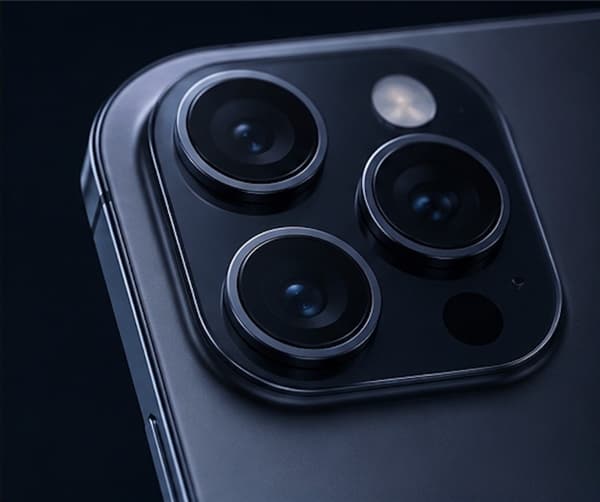
Rather than targeting high shipment volumes, Apple’s first foldable device is expected to serve as a technology showcase, highlighting the company’s advances in:
- Hinge engineering
- Foldable display technology
- Software optimization
- Industrial design
- Durability
As with any first-generation foldable device, manufacturing remains considerably more complex than conventional smartphones, with challenges including display yields, hinge reliability, chassis thickness, and software adaptation.
Why Delay the Standard iPhone 18?
The reported postponement of the standard iPhone 18 appears to be driven primarily by manufacturing and supply chain considerations.
Apple’s smartphone portfolio has expanded significantly in recent years. Producing six new iPhone models—including Pro, Pro Max, Air, e-series, standard, and foldable versions—within a single launch window would place enormous pressure on suppliers of processors, displays, camera modules, structural components, and assembly lines.
Launching premium devices first would allow Apple to prioritize production capacity for its highest-margin products while easing manufacturing demands for the broader lineup.
Chip Supply Could Also Influence Apple’s Plans
Another major factor may be Apple’s transition to 2nm semiconductor technology.
According to industry speculation, the A20 Pro processor could initially be reserved for the Pro models and the foldable iPhone, where higher profit margins help offset the increased manufacturing costs of cutting-edge chips.
Delaying the standard iPhone 18 by several months would provide additional time for semiconductor yields to improve and production costs to decline before mass production begins.
Because the standard iPhone typically accounts for the largest shipment volumes, postponing its release could reduce competition for limited supplies of advanced processors, displays, and manufacturing resources.
A New Sales Strategy Across the Year
Apple’s current sales cycle is heavily concentrated between September and December, driven by new product launches, the holiday shopping season, and major retail promotions around the world.
By splitting launches across two seasons, Apple could create two major sales peaks annually:
September 2026
- iPhone 18 Pro
- iPhone 18 Pro Max
- Foldable iPhone
Spring 2027
- iPhone 18
- iPhone 18e
- New iPhone Air
Such a strategy would help maintain consumer interest throughout the year while reducing Apple’s dependence on a single holiday quarter.
It would also extend marketing opportunities, improve inventory management, and potentially stabilize revenue across multiple fiscal quarters.
Potential Risks
While the strategy offers several advantages, it also introduces new challenges.
The standard iPhone has traditionally represented one of Apple’s highest-volume products. Without it during the autumn launch season, consumers unwilling to purchase a more expensive Pro model may simply postpone upgrading.
Because the first-generation foldable iPhone is expected to have limited production volumes, it is unlikely to fully compensate for the missing shipments normally generated by the standard model.
If Pro models also receive price increases, some customers could choose to keep their existing devices for longer, extending replacement cycles and reducing overall unit sales.
Longer Lifecycle for Older Models
Another consequence of the reported strategy is that the iPhone 17 would remain Apple’s mainstream non-Pro offering for approximately 18 months.
This would help Apple reduce inventory depreciation by extending the commercial lifespan of previous-generation models and minimizing rapid price declines immediately after new launches.
However, it would also leave the iPhone 17 competing against significantly newer Android flagship devices throughout much of 2026, potentially making it appear less competitive in areas such as AI capabilities, camera technology, battery capacity, and charging performance.
Greater Opportunities for Android Manufacturers
The delayed arrival of the standard iPhone 18 could create additional opportunities for Android smartphone makers, particularly in China and other highly competitive markets.
If only premium-priced iPhone models are available during autumn 2026, many consumers shopping in the upper mid-range segment may instead consider flagship devices from brands such as:
- Huawei Mate series
- Xiaomi flagship series
- OPPO Find series
- vivo X series
By the second half of 2026, many Android manufacturers are expected to offer next-generation processors, advanced periscope telephoto cameras, larger batteries, faster charging technologies, and increasingly sophisticated on-device AI features.
Meanwhile, Apple could still be selling the previous-generation iPhone 17 as its mainstream offering, potentially weakening its competitive position in markets where specification-driven purchasing decisions remain influential.
Outlook
Although none of these reports have been officially confirmed, the rumored split-launch strategy reflects Apple’s increasingly diverse product portfolio and the growing complexity of manufacturing premium smartphones.
If implemented, the approach would prioritize profitability and supply chain efficiency by launching high-end models first, while giving mainstream devices their own dedicated spotlight several months later. It would also mark one of the most significant changes to Apple’s iPhone release strategy since the product line was introduced.
For now, the industry will be watching closely to see whether Apple breaks with its long-established September launch tradition—or whether the standard iPhone continues to debut alongside its Pro counterparts as it has for years.