









Maskking Ejuice takes flavor profiles associated with the brand’s Maskking GTS flavor and puts them into a bottled e-liquid format for compatible refillable devices. That changes more than the packaging: once the liquid is separated from the original hardware, the coil, airflow, power output and pod design can all affect the final taste.
This makes device compatibility just as important as the flavor name when evaluating a bottled e-liquid. A profile that tastes familiar in a prefilled disposable may produce a different balance of sweetness, cooling or vapor on another refillable system.
This guide looks at Maskking Ejuice from that practical perspective. Instead of treating the bottled liquid as an identical replacement for a GTS disposable, it explains the reported flavor range, nicotine options, device considerations and the factors that can change the final vaping experience.
What Is Maskking Ejuice?
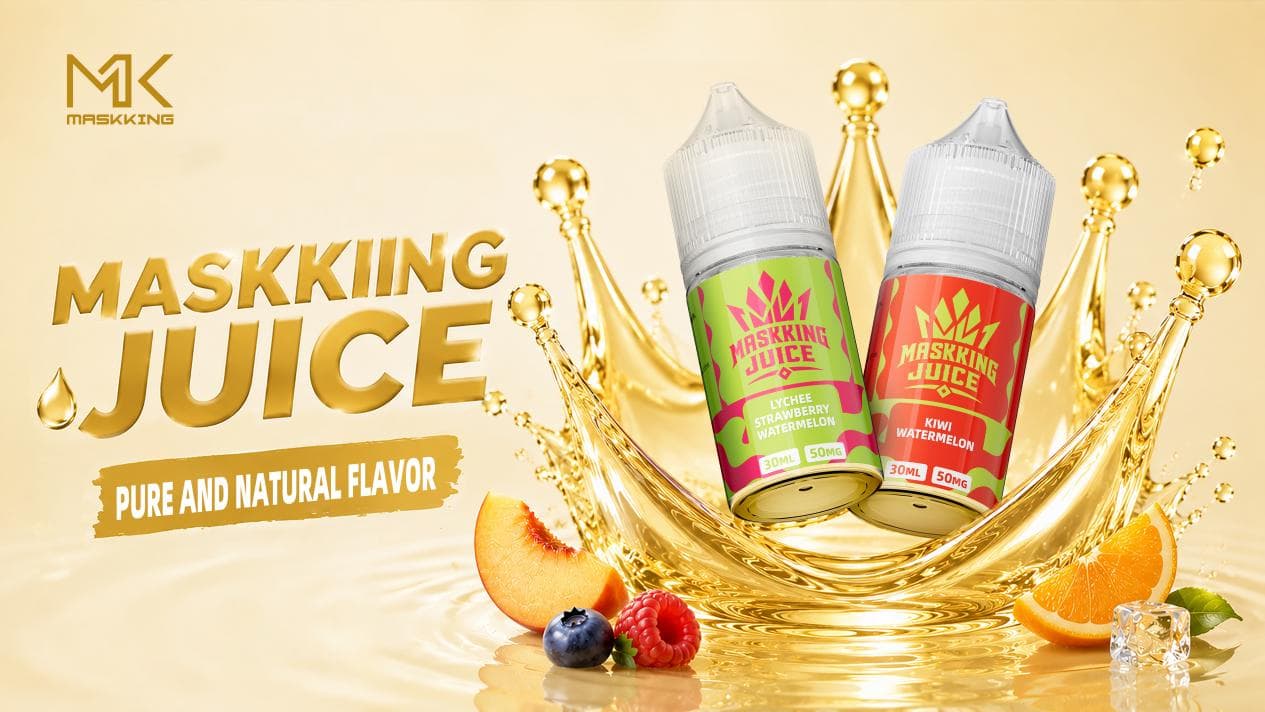
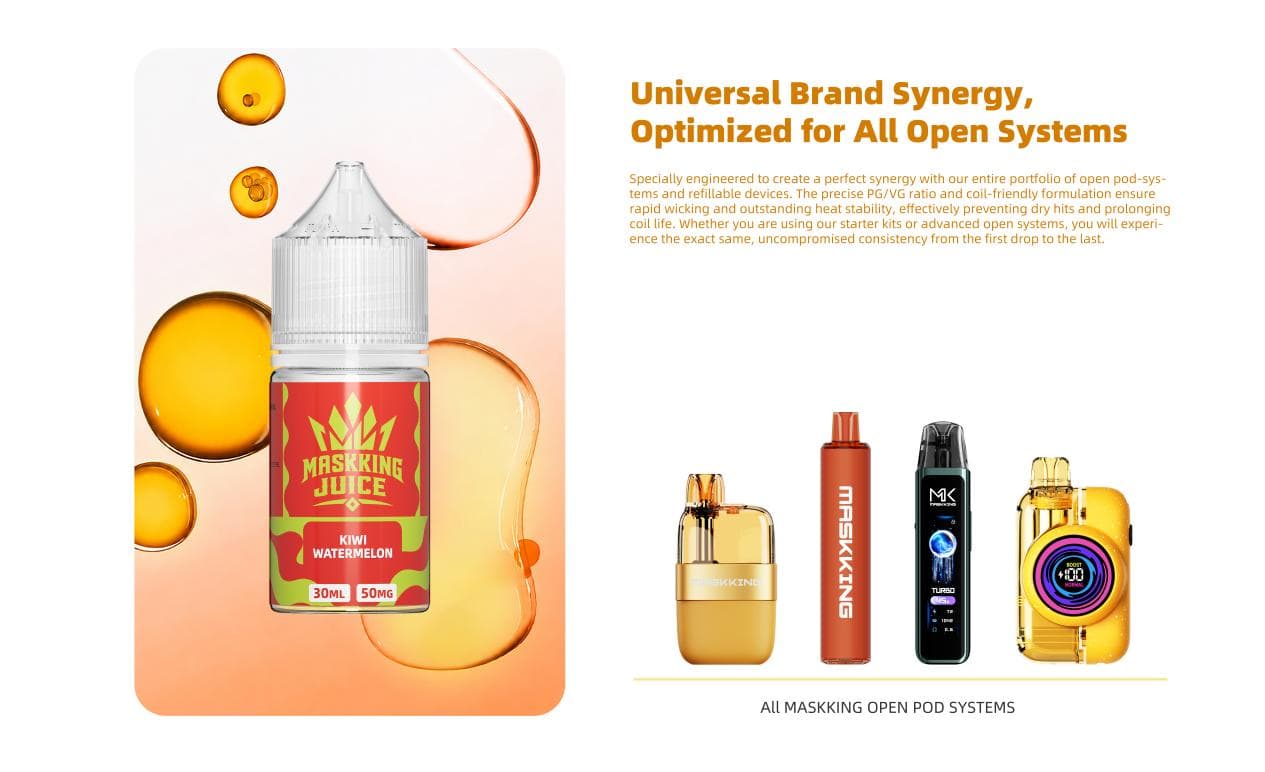
Maskking Ejuice is a bottled e-liquid range developed around flavor profiles associated with the Maskking GTS family,designed for compatible refillable devices such as the Maskking Veso series, Maskking Camo and Ucee Max. Unlike a prefilled disposable, the liquid is supplied separately and needs to be used with suitable refillable hardware.
That distinction is important. A flavor that performs well in a disposable device is not guaranteed to taste exactly the same in another pod system. Differences in coil resistance, airflow, power and liquid delivery can change the balance between fruit, sweetness and cooling notes.
The manufacturer’s published information describes the range as being available in multiple flavors and nicotine concentrations. Buyers should always check the current bottle label and regional product information because specifications and availability can vary by market.
How GTS-Inspired Flavors Translate to Bottled E-Liquid
One of the main reasons for the range is to bring familiar GTS-associated flavor combinations into a refillable format.
The reported selection includes fruit, tropical, berry, beverage and cooling-style profiles. Examples mentioned in product information include Berry Grape, Tropical Guava, Mexico Mango, Watermelon Lollipops and Pineapple Passion Fruit Orange.
However, the flavor name is only one part of the equation.
The same liquid can produce noticeably different results on different hardware. A tighter mouth-to-lung pod may emphasize sweetness and throat sensation, while a different coil and airflow combination can produce more vapor and make cooling notes more noticeable.
This is why it is better to treat the listed flavor profile as a starting point rather than a guarantee of identical performance across every refillable device.
Why Device Compatibility Matters
Moving from a disposable to bottled e-liquid gives users more control, but it also introduces more variables.
Before filling a pod, check the device manufacturer’s specifications and make sure the liquid is appropriate for the hardware.
Coil Resistance
Coil resistance affects how the liquid is heated. Lower-resistance coils generally operate differently from higher-resistance mouth-to-lung coils, so the same e-liquid may produce different vapor density and flavor intensity.
Airflow
Airflow changes the amount of air mixed with the vapor. A tighter draw can produce a more concentrated sensation, while a more open airflow can create a lighter overall profile.
Power Output
The device’s power setting also affects how quickly e-liquid is vaporized. Using settings outside the manufacturer’s recommended range can lead to poor flavor, excessive heat or faster liquid consumption.
Pod Design
The size and construction of the pod can influence wicking and liquid delivery. A refillable system should therefore be evaluated as a complete setup rather than treating the e-liquid as an isolated component.
For readers new to refillable hardware, our beginner’s guide to refilling vape pods explains the basic filling process and common maintenance issues.
What Nicotine Strengths Are Available?
Published Maskking information lists several nicotine options for the Ejuice range, including 0mg, 5mg, 20mg and 50mg versions.
These concentrations represent significantly different nicotine levels, so they should not be treated as interchangeable.
A 0mg product contains no nicotine, while higher concentrations deliver progressively more nicotine per milliliter. The appropriate strength depends on the specific product, local regulations, personal circumstances and the device being used, you can also check ucee max here.
Nicotine is addictive. Adults who already use nicotine should follow the product label and local requirements, while people who do not use nicotine should not start.
When buying bottled e-liquid, check the concentration printed on the actual packaging rather than relying solely on information from an older product listing or third-party article.
How Many Flavors Does Maskking Ejuice Have?
Maskking’s published materials describe a 16-flavor lineup. The reported selection covers several broad flavor families, including fruit, tropical, berry, cooling and beverage-inspired combinations.
Rather than choosing only by the number of flavors available, it is more useful to consider how the flavor categories fit your preferences.
For example:
- Fruit profiles: generally focus on recognizable fruit combinations.
- Tropical profiles: tend to combine multiple fruit notes.
- Berry profiles: can emphasize sweet or tart characteristics.
- Cooling profiles: add a noticeable chilled sensation.
- Beverage-inspired profiles: use drink-style flavor combinations.
Flavor perception can vary substantially between devices, so trying a small bottle before committing to a larger quantity can be a practical approach where local regulations and product availability allow it.
10ml vs. 30ml: What Is the Difference?
The published Maskking information lists 10ml and 30ml bottle options.
The smaller bottle can be convenient for portability or for testing a flavor before buying a larger quantity. A 30ml bottle provides more liquid for users who already know they want to continue with a particular flavor.
Bottle size does not determine flavor quality or nicotine strength. Those are separate specifications that should be checked on the product label.
Local regulations may also affect which bottle sizes and nicotine concentrations can legally be sold in a particular market.
Maskking Ejuice vs. a Prefilled Disposable
The biggest difference is control.
A prefilled disposable combines the liquid, battery, coil and airflow system into one finished product. The user does not normally choose those individual components.
With bottled e-liquid, the liquid and hardware are separate. That means users can potentially choose a compatible refillable pod, change coils when appropriate and adjust airflow or power within the manufacturer’s recommended limits.
There is also an important trade-off: refillable systems require more attention to compatibility, filling and maintenance.
So bottled e-liquid should not simply be viewed as a disposable vape in a different bottle. It is part of a larger hardware-and-liquid setup.
Can You Compare E-Liquid by Puff Count?
Puff-count comparisons between bottled e-liquid and disposable products should be treated cautiously.
The amount of liquid consumed during a puff varies with coil resistance, power output, airflow and puff duration. Two people using the same 10ml bottle can therefore get different numbers of puffs.
For that reason, a fixed claim such as “10ml equals exactly X puffs” is not a reliable universal measurement.
A better way to compare products is to look at the actual e-liquid volume, nicotine concentration, device specifications and your own consumption pattern.
What Should You Check Before Buying?
Before choosing a bottled e-liquid, check these points:
1. Nicotine concentration
Confirm the exact strength shown on the bottle.
2. Bottle size
Check whether the available size suits your intended use and local regulations.
3. Device compatibility
Follow the refillable device manufacturer’s recommendations.
4. Coil specifications
Make sure the coil is suitable for the intended liquid and operating range.
5. Flavor profile
Consider whether you prefer fruit, tropical, berry, cooling or beverage-style flavors.
6. Packaging information
Check the ingredient, nicotine and warning information printed on the packaging.
7. Local regulations
Nicotine products and e-liquids are regulated differently between markets.
8. Product authenticity
When buying a branded product, use the manufacturer’s available authentication or verification information where applicable.
For current product specifications and authentication information, readers should consult the official Maskking website rather than relying on outdated third-party listings.
Frequently Asked Questions
Is Maskking Ejuice the same as the liquid inside a GTS disposable?
Maskking markets the Ejuice range around flavor profiles associated with its GTS products. However, the final vaping experience can vary when the liquid is used with different refillable hardware.
Which devices can be used with Maskking Ejuice?
The manufacturer’s published information identifies several compatible Maskking refillable products, but compatibility should always be confirmed against the current device and e-liquid specifications before use.
Does nicotine strength affect flavor?
It can. Nicotine concentration is one of several factors that can influence the perceived throat sensation and overall balance of an e-liquid. Device settings and coil characteristics can also affect flavor perception.
How should bottled e-liquid be stored?
Keep the bottle tightly closed and store it in a cool, dry location away from direct sunlight and excessive heat. Keep nicotine-containing products away from children and pets.
Is a higher nicotine strength always better?
No. Nicotine strength is a concentration measurement, not a quality rating. The appropriate choice depends on the product, local rules and the needs of an existing adult nicotine user.
Final Takeaway
Maskking Ejuice is best understood as a bottled alternative for users who want to explore GTS-associated flavor profiles through compatible refillable hardware.
Its main difference from a prefilled disposable is flexibility. Instead of using a fixed combination of battery, coil, airflow and liquid, a refillable setup separates those components and gives the user more control over the hardware.
That flexibility also means more responsibility when selecting a compatible device, coil and nicotine strength. Rather than judging an e-liquid only by its flavor list or claimed puff count, buyers should consider the complete setup and verify the current product information on the packaging.
For readers interested in the flavor side of the range, our guide to Maskking GTS flavors provides a separate look at the reported flavor selection, while our refillable-pod guide covers the basic hardware and filling considerations.