






Motorola has unveiled the new Edge 70 Plus at IFA 2026 in Berlin, alongside the Watch Ultra and moto snap wireless charger. The company also introduced a Swarovski edition of the Razr 70, which is sold as the Razr 2026 in the US.
Among the new products, the Edge 70 Plus stands out with a 200MP main camera, a 6,500mAh battery, and a display capable of reaching a 144Hz refresh rate. Meanwhile, the Watch Ultra brings LTE connectivity to Motorola’s smartwatch lineup for the first time.
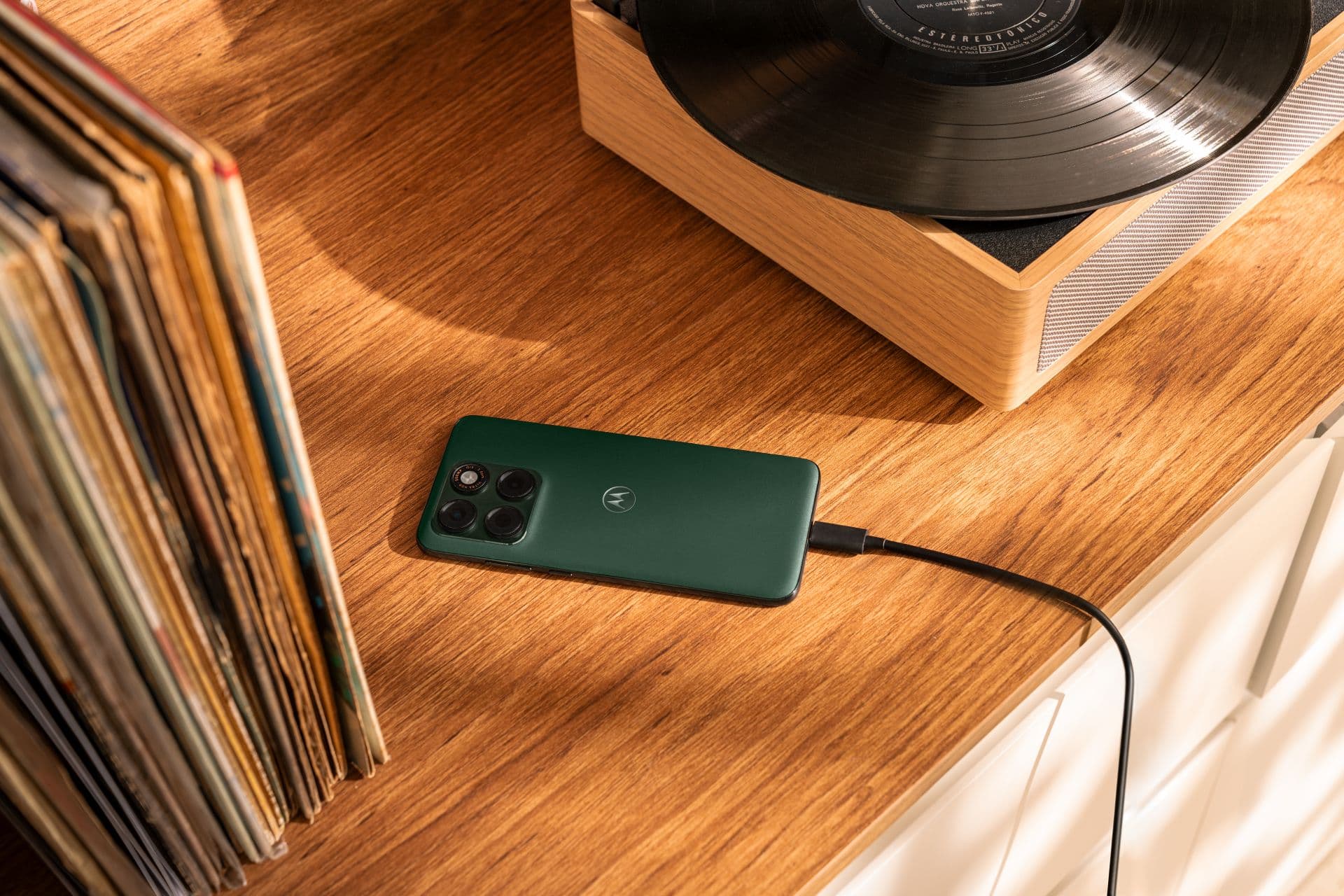
Motorola Edge 70 Plus Features a 144Hz AMOLED Display
The Motorola Edge 70 Plus uses a four-curved design and features a 6.78-inch Extreme AMOLED display with a refresh rate of up to 144Hz. The screen has received Pantone certification for color accuracy and is protected by Corning Gorilla Glass 7i.
The phone has also undergone testing related to the MIL-STD-810H standard, suggesting that Motorola has placed additional emphasis on durability.
The display’s high refresh rate should make scrolling, animations, and supported games feel smoother, while the curved design gives the phone a more premium appearance.
200MP Main Camera With 16-in-1 Pixel Binning
Photography is another major focus of the Edge 70 Plus.
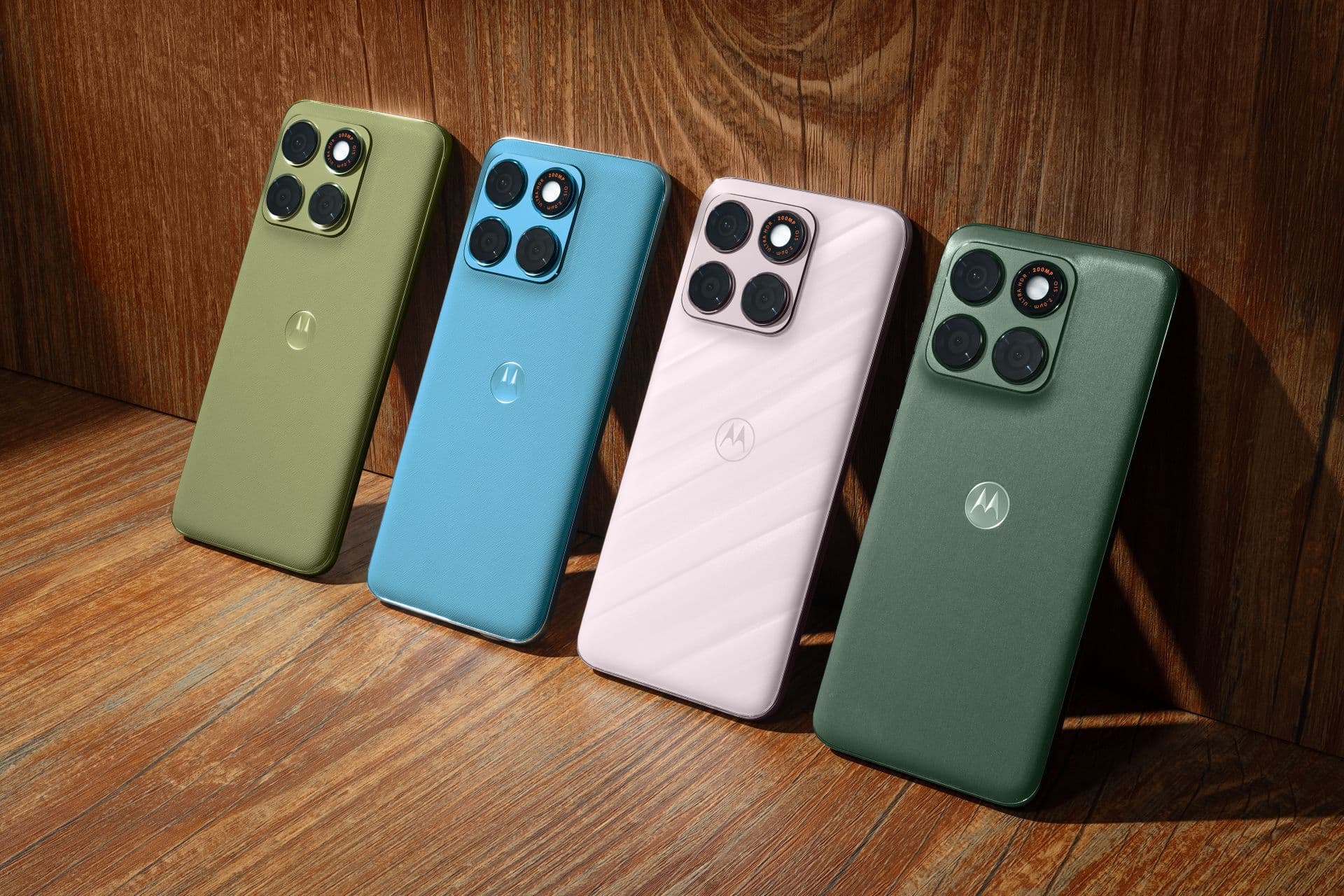
The phone is equipped with a 200MP primary camera featuring OIS optical image stabilization, Pantone-validated color and skin tones, up to 10x Super Zoom, and 4K video recording. Motorola also includes a dedicated macro camera.
On the front, the phone has a 32MP selfie camera with AI-powered image enhancements and 4K video recording.
Interestingly, Motorola says the 200MP sensor combines 16 pixels into one when processing images. As a result, the camera’s default output resolution is approximately 12.5MP, rather than the full 200MP resolution.
This approach is designed to combine information from multiple pixels to produce more practical image files while potentially improving image quality in different lighting conditions.
Snapdragon 7s Gen 3 and Up to 256GB Storage
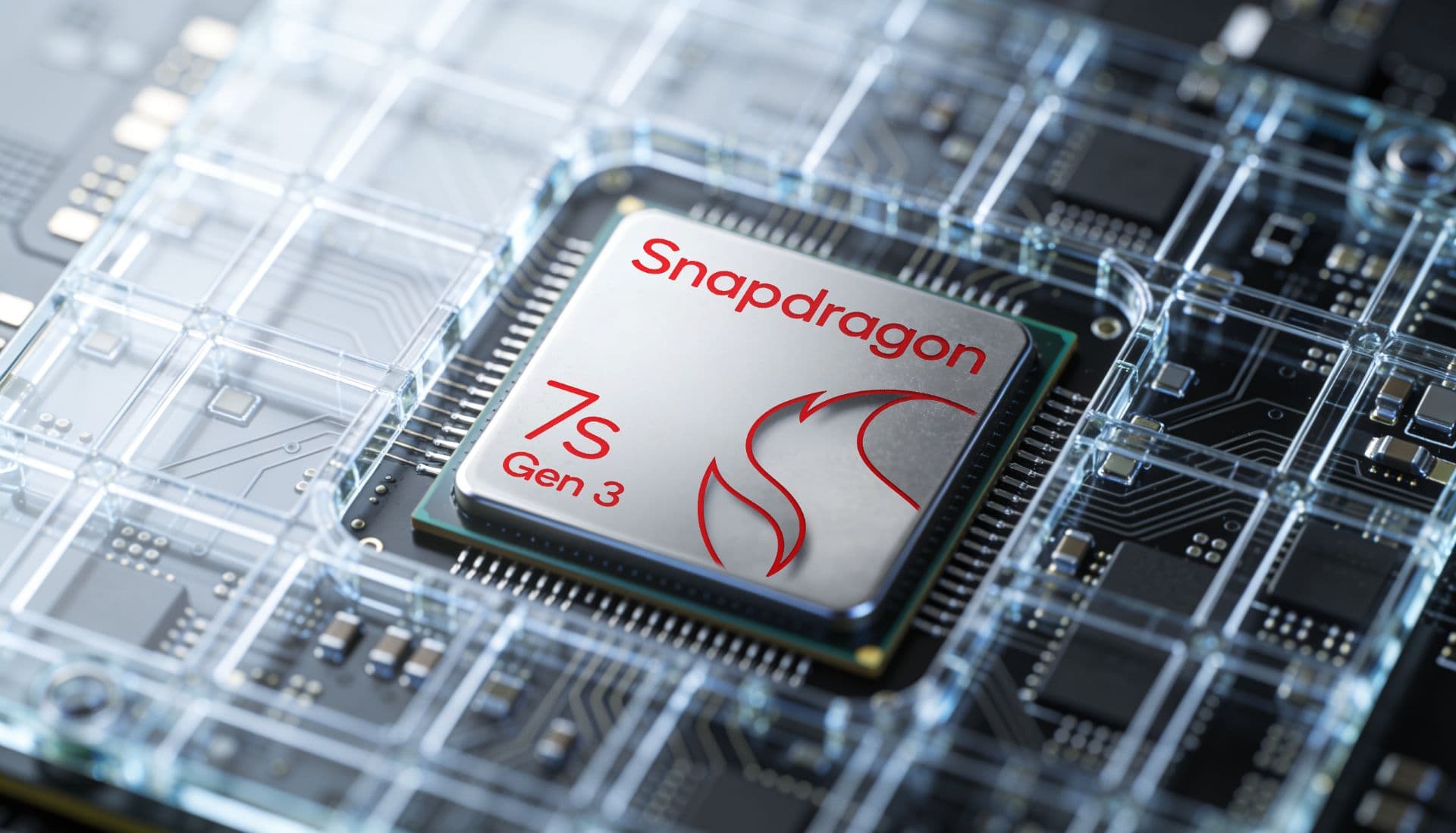
Under the hood, the Edge 70 Plus is powered by Qualcomm’s Snapdragon 7s Gen 3 mobile platform.
Motorola smartphones comes with 8GB of LPDDR5X RAM and either 128GB or 256GB of internal storage. Motorola also supports AI RAM Boost, which is designed to improve memory management during everyday multitasking.

For sustained workloads, the device uses a cooling system that includes a vapor chamber, helping manage heat during gaming and other demanding tasks.
6,500mAh Battery and 45W Charging
Battery capacity is one of the Edge 70 Plus’s standout specifications.
The phone packs a 6,500mAh battery, with Motorola claiming up to 42 hours of talk time, 34 hours of video playback, or 23 hours of social media use under specific testing conditions.
Charging is handled by 45W TurboPower, while the phone also supports Motorola TurboPower charging. This feature allows power to be supplied directly from the charger during gaming, potentially reducing battery heat and limiting unnecessary battery cycling during extended sessions.
Motorola Watch Ultra Adds LTE Connectivity
Alongside the phone, Motorola introduced the Watch Ultra, featuring a 1.5-inch OLED display with peak brightness of up to 2,700 nits.
The smartwatch uses a 46mm stainless-steel case and supports an always-on display. It is powered by Qualcomm’s Snapdragon W5+ Gen 1 platform and runs Wear OS by Google.
Users can install apps such as YouTube Music, Google Maps, Google Messages, and Google Gemini through Google Play.
The biggest connectivity upgrade is LTE support. The Watch Ultra is Motorola’s first smartwatch with cellular connectivity, allowing users to make calls, send messages, and manage notifications without keeping their phone nearby.
The watch also supports dual-band GPS and contactless payments through Google Wallet.
Polar Fitness Features and Motorola Qira
For health and fitness tracking, Motorola has partnered with Polar to provide features covering stress management, sleep analysis, exercise tracking, and calorie monitoring.
Additional tools include Serene breathing exercises, Energy Sources analysis, and Running Coach guidance.
The Watch Ultra also introduces Motorola Qira to Motorola’s wearable lineup. On compatible Motorola and Lenovo devices, users can activate Qira by raising their wrist or saying “Hey Qira.” The assistant can answer questions and retrieve certain information stored across connected devices.
Battery life is rated at up to two days with the always-on display disabled. Motorola says a 15-minute charge can provide up to 24 hours of additional use.
The watch carries IP68 protection and 5ATM water resistance, while its display is protected by Corning Gorilla Glass 3.
Moto Snap Supports Up to 30W Charging
Motorola also launched the moto snap wireless charger alongside its new devices.
On compatible Qi2.2 devices, the charger can deliver up to 25W of wireless charging. Compatible Motorola devices using the company’s proprietary charging protocol can reach up to 30W.
The charger includes a 1.5-meter braided USB Type-C cable and uses magnetic alignment to keep compatible devices positioned correctly. It can also work with magnetic protective cases and includes protection against overheating and overcharging.
Motorola says the charger has zero standby power consumption.
Motorola Edge 70 Plus and Watch Ultra Pricing
Motorola says the Edge 70 Plus will begin reaching selected European and Middle Eastern markets over the coming weeks, although a unified European price has not yet been announced.
The Watch Ultra starts at €429 and is expected to launch in selected markets across Europe, the Middle East, Latin America, North America, and Asia-Pacific in the coming weeks.
The moto snap wireless charger starts at €39 and will also roll out across selected markets in Europe, the Middle East, Latin America, and Asia-Pacific.
Pricing, configurations, and availability may vary by region.
Motorola Edge 70 Plus combines a 200MP camera, 6,500mAh battery, 144Hz AMOLED display, and Snapdragon 7s Gen 3 chipset, making it a well-equipped addition to Motorola’s smartphone lineup. Meanwhile, the Watch Ultra adds LTE connectivity, allowing users to make calls, receive messages, and stay connected without relying on a smartphone.