










Smartwatches have gradually moved beyond counting steps and displaying notifications. Even affordable models now advertise ECG measurements, blood-oxygen monitoring, sleep tracking and other health-related functions. The MT200 Smart Watch follows that trend, but its real appeal is not simply the number of features listed on the specification sheet.
The more interesting question is what these functions actually add to everyday use.
The MT200 combines a 1.43-inch AMOLED display, ECG and PPG-based monitoring, blood-oxygen general fitness tracking, sleep-related features and several activity modes. It also includes Bluetooth calling and a relatively large battery, making it a device designed to sit somewhere between a basic fitness tracker and a full-featured smartwatch.
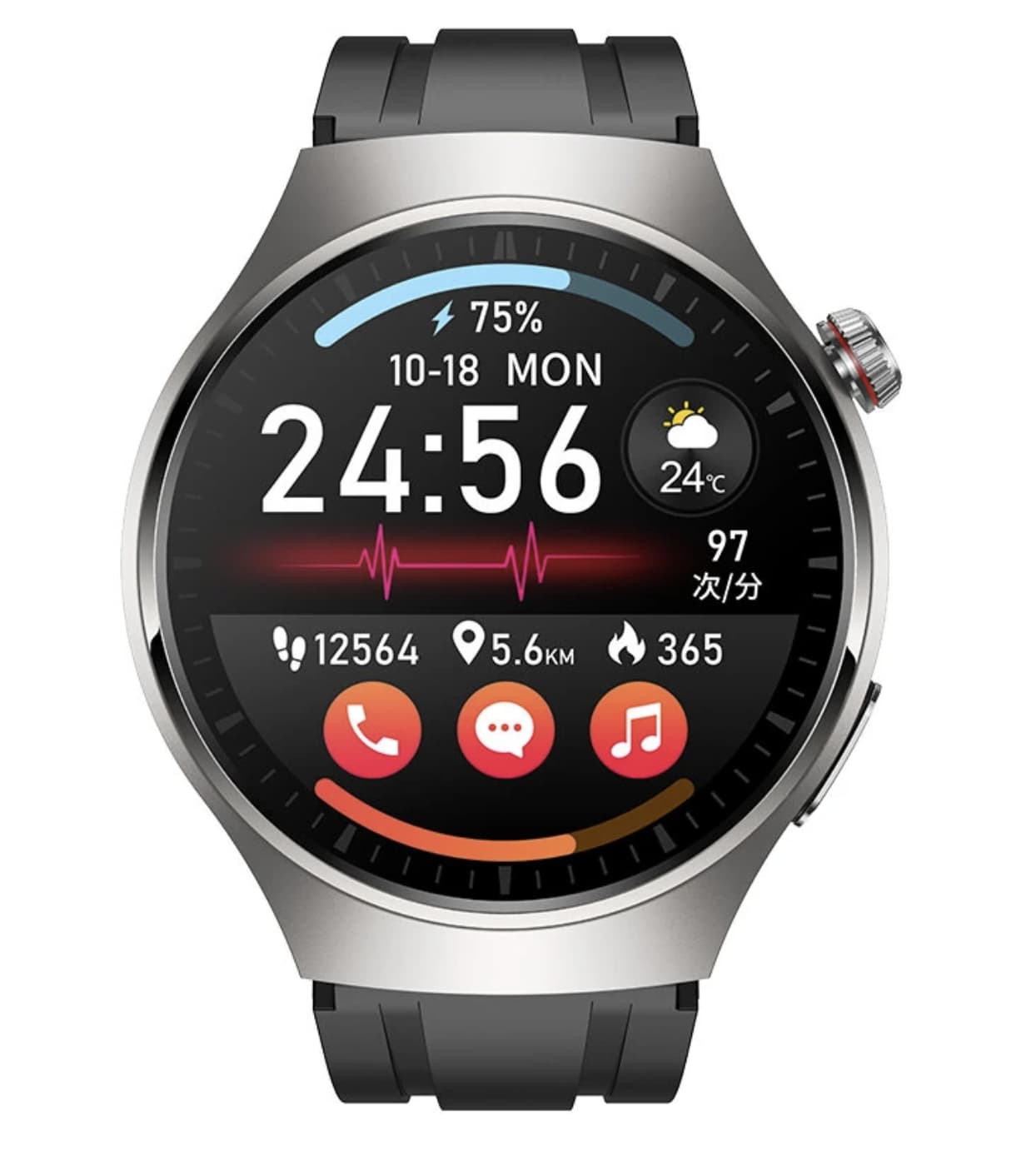
Rather than judging it purely by its specifications, this article looks more closely at the features that make the MT200 different and what users should realistically expect from them.
The AMOLED Display Is More Than a Visual Upgrade
The MT200 uses a 1.43-inch AMOLED display with a 466 × 466 resolution.
AMOLED technology is particularly well suited to smartwatches because individual pixels can be turned off when displaying black content. This allows the watch interface to produce strong contrast while maintaining a clean appearance. It belongs to AMOLED smartwatches.
For a health-focused wearable, that matters more than it might initially seem.
Health information often consists of relatively small numbers, graphs and status indicators. A high-contrast display can make these elements easier to distinguish at a glance, particularly when checking information outdoors or quickly looking at the watch during exercise.
The round display also gives the MT200 a more traditional watch-like appearance rather than making it feel like a small rectangular fitness tracker.
However, a good screen doesn’t automatically make the health measurements more accurate. The display determines how information is presented; the sensors and software determine how useful that information is.
That distinction is important when evaluating the MT200.
ECG Is the Feature That Deserves the Most Attention
The MT200’s ECG capability is one of its most interesting features.
An electrocardiogram records electrical activity associated with the heart. Unlike ordinary heart-rate monitoring, which generally relies on optical sensing, ECG technology works by detecting electrical signals.
That means ECG can provide a different type of information from the optical heart-rate data produced by a typical smartwatch.
For a consumer wearable, the practical benefit is mainly the ability to take an occasional heart-related reading directly from the wrist.
But users should keep expectations realistic.
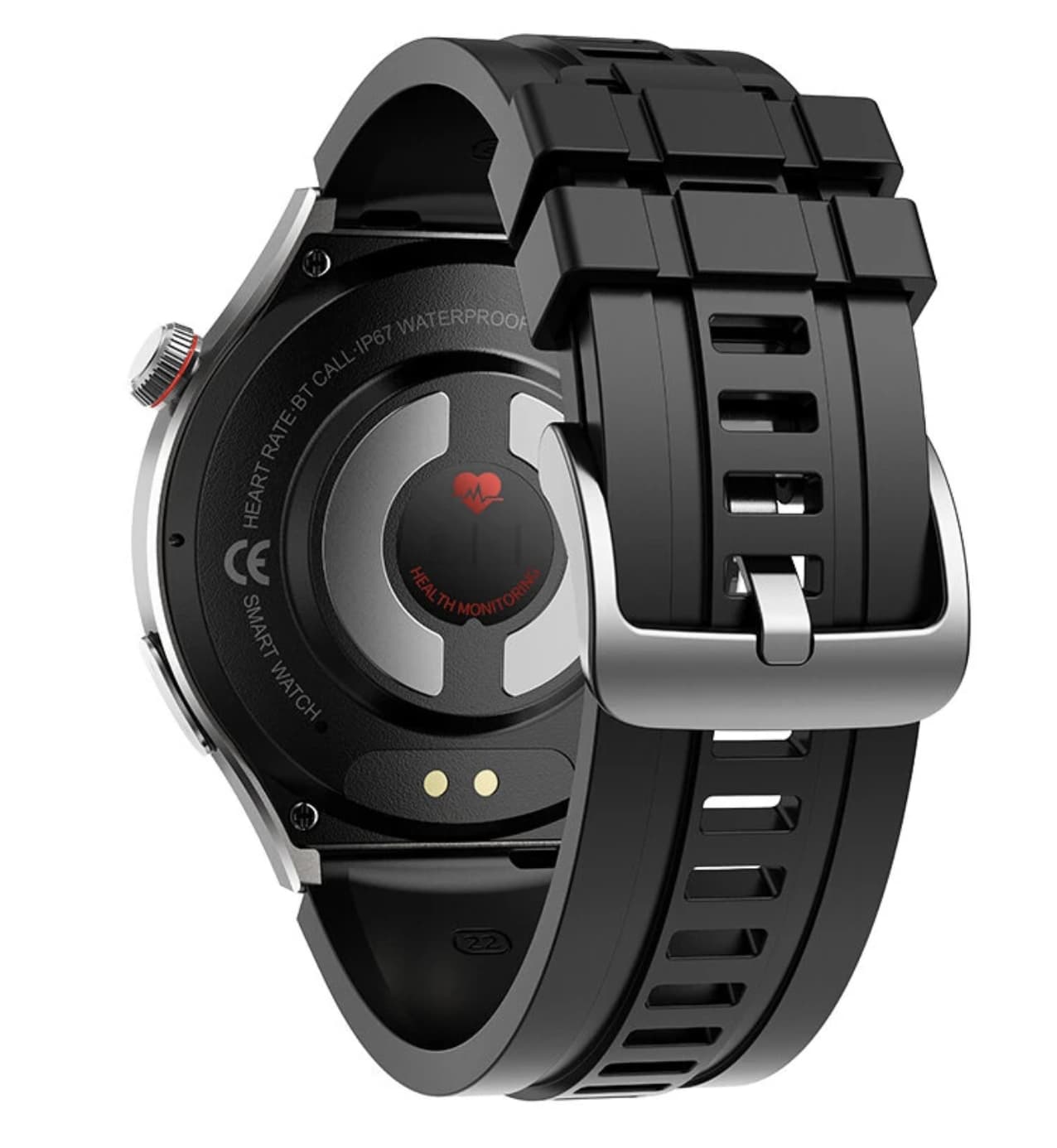
A smartwatch ECG feature should not automatically be interpreted as equivalent to a clinical ECG system. Consumer wearables have limitations related to sensor placement, contact quality, movement and software interpretation.
The MT200 can therefore be useful as a wellness-monitoring tool, but its readings should not be treated as a medical diagnosis.
If a measurement appears unusual or a user experiences concerning symptoms, professional medical evaluation remains more important than anything displayed on a smartwatch.
ECG and PPG Serve Different Purposes
One of the easiest ways to misunderstand smartwatch health features is to assume that ECG and PPG are simply two names for the same technology.
They are not.
PPG, or photoplethysmography, uses light-based sensing to detect changes in blood volume beneath the skin. This technology is commonly used for continuous or periodic heart-rate monitoring in wearable devices.
ECG, on the other hand, measures electrical activity.
The two approaches can therefore complement each other.
PPG is convenient for tracking heart rate during everyday activities and exercise, while ECG provides a different type of heart-related measurement when the user deliberately performs a reading.
For the MT200, having both technologies makes the health-monitoring system more versatile than a watch that relies exclusively on optical heart-rate tracking.
What About SpO₂ Monitoring?
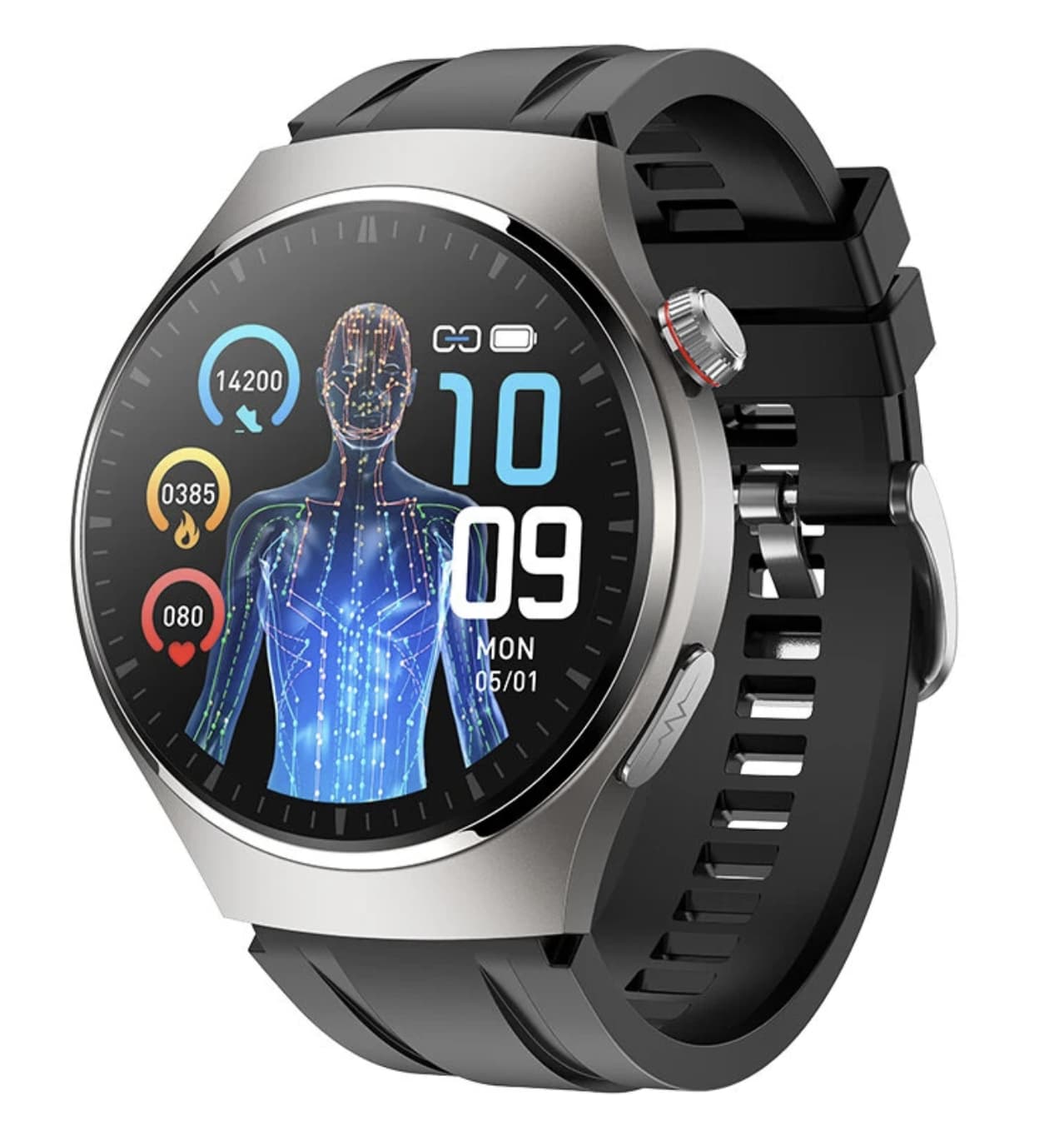
The MT200 also includes blood-oxygen monitoring, commonly referred to as SpO₂.
This feature estimates the percentage of oxygen saturation in the blood using optical sensors. It can be useful for observing changes in readings over time and understanding general wellness patterns.
But SpO₂ readings from consumer smartwatches should also be treated as estimates rather than clinical measurements.
Factors such as movement, skin contact, sensor positioning and environmental conditions can influence optical readings.
In other words, the value of the feature is greater when used for general tracking and trend awareness than when a user treats a single number as definitive medical evidence.
This is a recurring theme with smartwatch health functions: the technology can provide useful personal data, but context matters.
Blood-Pressure Tracking Needs a Similar Reality Check
The MT200 also promotes blood-pressure-related monitoring.
This sounds impressive on a product page, but blood-pressure measurement is an area where consumers should be especially cautious about interpreting smartwatch results.
Traditional blood-pressure measurement generally relies on a cuff to measure pressure. Wearable devices can use different approaches, but their readings may not have the same accuracy or clinical validation as dedicated medical equipment.
For that reason, the MT200’s blood-pressure function is better considered a wellness-oriented reference feature rather than a replacement for a validated blood-pressure monitor.
Users who need reliable blood-pressure measurements should continue to use appropriate medical equipment and follow professional advice.
Sleep Tracking Turns the Watch Into a Daily Companion
Health monitoring isn’t limited to measurements taken while you’re awake.
The MT200 also provides sleep-related tracking, allowing users to examine aspects of their sleeping patterns through the watch’s sensors and software.
This can make the device more useful as an everyday wearable because sleep information can be considered alongside activity and heart-rate data.
For example, someone may notice that periods of unusually low activity or late-night usage correspond with changes in their sleep patterns.
Again, the strength of this feature is long-term observation rather than medical diagnosis.
A smartwatch can help users notice patterns, but it cannot replace professional sleep assessment when a genuine sleep disorder is suspected.
The MT200 Also Works as a Conventional Smartwatch
The health functions are a major part of the MT200’s identity, but the device isn’t designed solely for fitness tracking.
It supports Bluetooth calling, allowing users to handle calls directly through the watch when connected to a compatible smartphone.
The watch also supports notifications and everyday smartwatch functions, making it more practical for users who want health features without giving up basic connected-watch functionality.
This balance is important because health tracking becomes much easier to maintain when the device is something you actually wear throughout the day.
A Large Battery Helps With Continuous Use
The MT200 is equipped with a 440mAh battery.
Battery capacity is particularly relevant for a smartwatch with multiple sensors because frequent charging can discourage users from wearing the device consistently.
The MT200’s larger battery gives it the potential to remain active for longer periods between charges, although actual endurance will vary depending on display brightness, Bluetooth calling, health monitoring frequency, notifications and exercise tracking.
The more sensors and connected features are used, the more power the watch is likely to consume.
For health tracking, consistency matters. A device that can remain on the wrist for extended periods has more opportunities to collect useful day-to-day information than one that spends significant time sitting on a charger.
Who Is the MT200 Really For?
The MT200 makes the most sense for users who want more than a basic step counter but don’t necessarily need a premium smartwatch ecosystem.
Its combination of AMOLED display, ECG, PPG, SpO₂, sleep tracking, activity monitoring and Bluetooth calling gives it a broad feature set.
The key is understanding what those features are designed to do.
If your goal is to casually monitor activity, heart rate, sleep patterns and other wellness indicators, the MT200 offers a relatively comprehensive package.
If your primary reason for buying a smartwatch is medical monitoring, however, you should be much more careful. Consumer wearable measurements can be useful for awareness and trend tracking, but they should not automatically replace validated medical devices or professional assessment.
What Makes the MT200 Interesting?
The MT200’s strongest feature isn’t necessarily one individual sensor.
Its appeal comes from putting several types of information into a single wearable.
The AMOLED screen makes that information easy to view.
The PPG system provides optical health and heart-rate tracking.
The ECG function adds electrical heart-activity measurements.
The SpO₂ feature provides another wellness indicator.
The sleep tracking system extends monitoring into the night.
And the Bluetooth calling function gives the watch a practical role beyond fitness.
That combination makes the MT200 more interesting than a smartwatch that focuses exclusively on notifications or basic activity tracking.
Final Verdict: A Feature-Rich Wellness Watch With Important Limitations
The MT200 Smart Watch is best understood as a feature-rich consumer wellness wearable, rather than a miniature medical device.
Its 1.43-inch AMOLED display gives it a strong visual foundation, while ECG and PPG monitoring provide two different approaches to heart-related tracking. SpO₂, sleep and activity features expand its usefulness throughout the day, and Bluetooth calling makes it more practical as an everyday smartwatch.
The most important thing is how users interpret the data.
The MT200 can help you observe patterns and become more aware of your daily activity and wellness metrics. It should not, however, be used as a substitute for professional diagnosis or clinically validated equipment.
For buyers who understand that distinction, the MT200’s combination of health-oriented sensors, AMOLED display, connected features and large battery makes it a more interesting proposition than its price-focused positioning might suggest.