








The MT600 smart watch arrives as the wearable market continues to evolve, particularly around health and fitness features. Buyers are increasingly gravitating toward two ends of the spectrum: simple wearables that cover essential activity tracking and advanced devices offering deeper health insights and more sophisticated training tools. As these preferences become clearer, there is less room for products that sit somewhere in between.
Where does a feature-packed budget watch like the MT600 fit into this picture?
The Market Is Splitting
The data tells a clear story. In the second quarter of 2026, the global wrist-wearable market declined by 2%, but smartwatches grew by 6%, driven by premium sports models. Meanwhile, basic fitness trackers and entry-level smartwatches are struggling.
Omdia’s report describes a “clear split” between two types of consumers: those who want screenless minimalist trackers worn 24/7, and those who prefer advanced sports smartwatches with greater accuracy and multi-day battery life. The mid-range is being squeezed.
This matters for the MT600 because it’s priced and positioned in that contested middle zone.
The MT600’s Feature Set
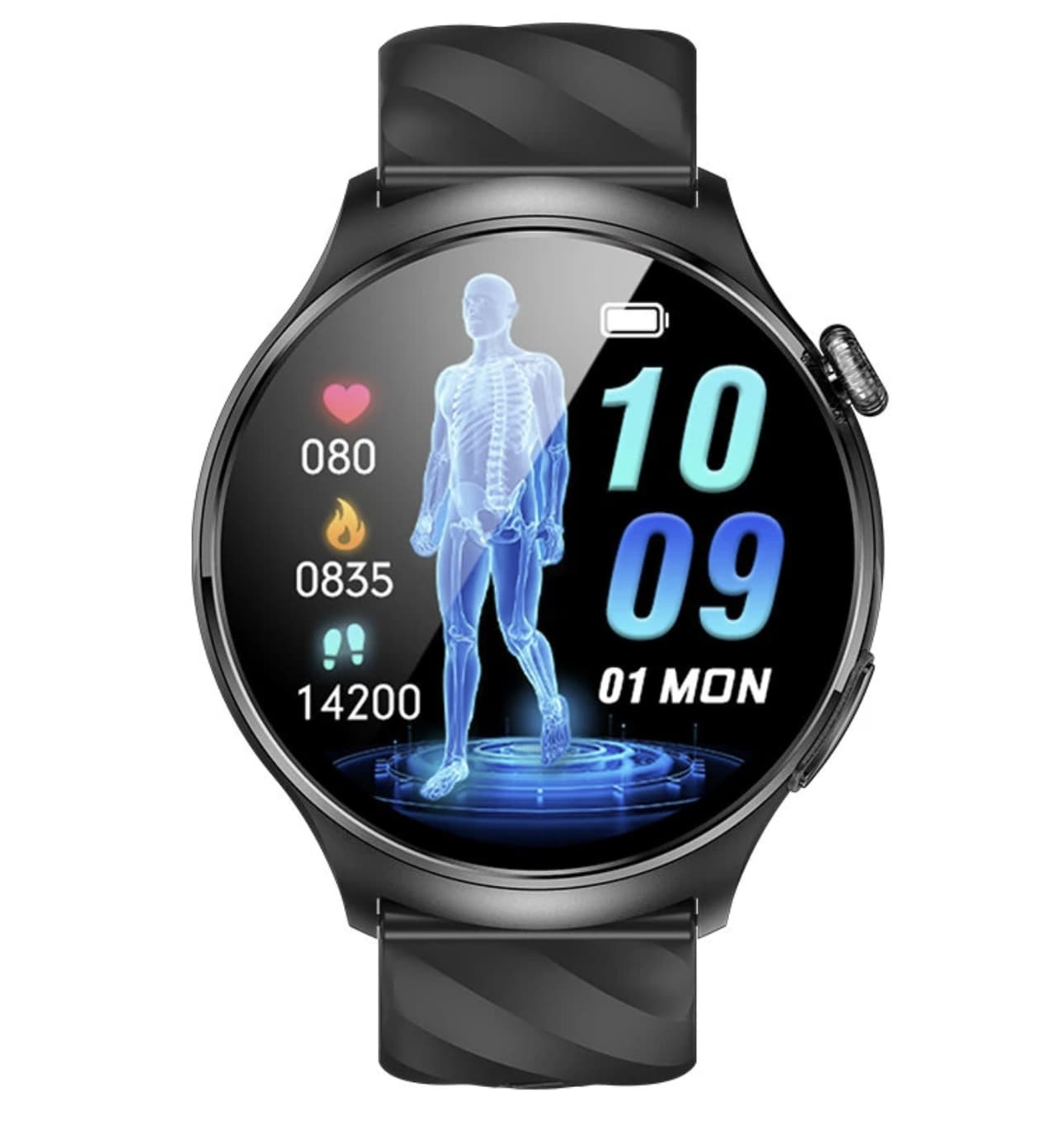
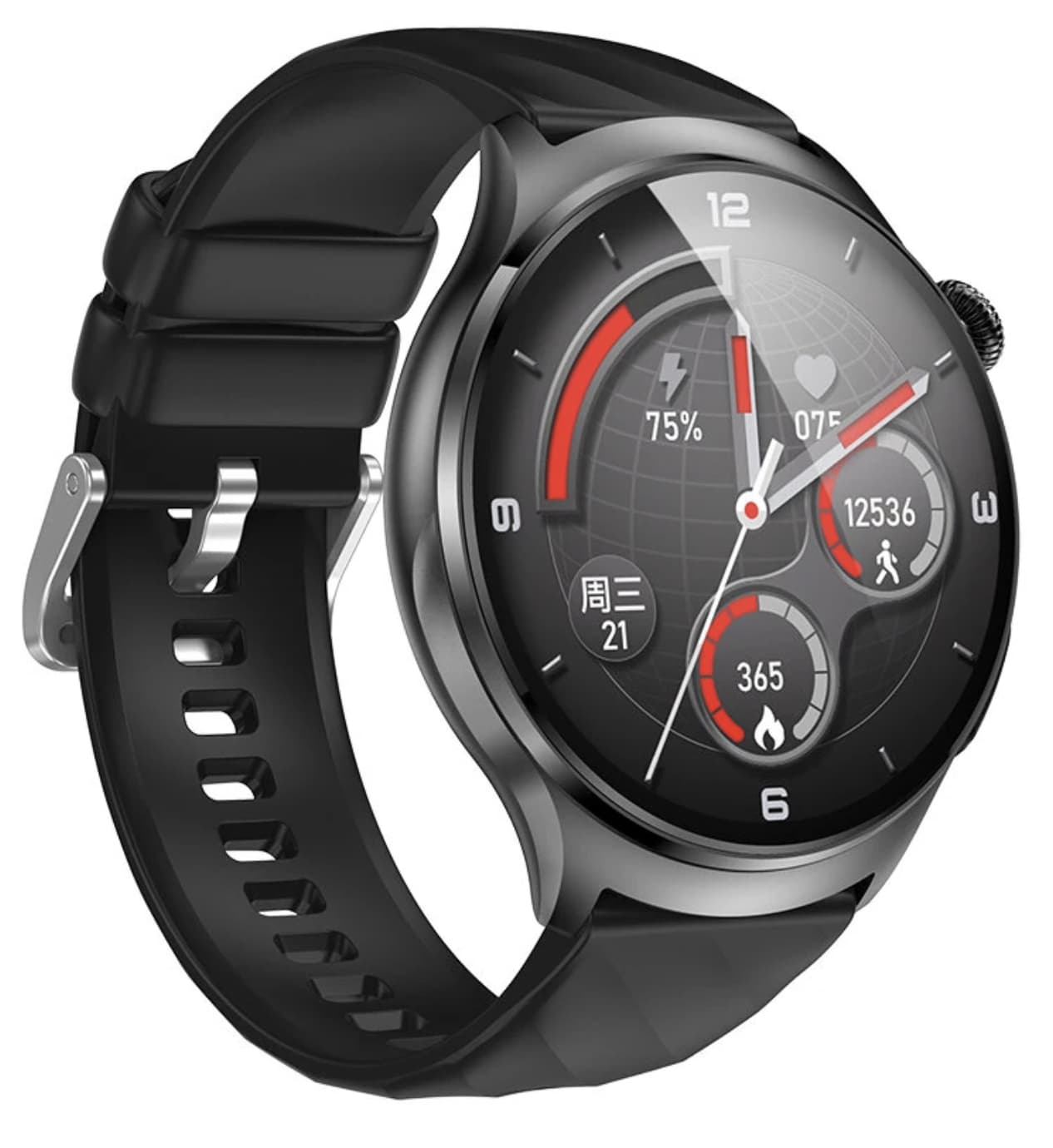
The MT600 includes a 1.56-inch AMOLED display with 480×480 resolution, ECG and PPG health monitoring, blood pressure and blood oxygen tracking, Bluetooth calling, voice assistant support, and an SOS function. The health feature list is extensive, but it’s the extras that make it interesting for market positioning.
Several wholesalers list additional health metrics not emphasized in the main product description: uric acid measurement, blood lipid monitoring, body composition analysis, and skin temperature tracking. These go beyond the typical heart rate and SpO2 found on many budget watches. The device also generates ECG reports and HRV data, which is ambitious at this price point.
Where the MT600 Fits
Based on market trends and the device’s specifications, the MT600 sits at the intersection of two consumer pressures:
The “Everything but Cheap” Buyer
The low-end of the market is crowded with sub-$50 trackers that handle step counting and notifications,like the V9 Smartwatch from a few years ago.” At the other end, premium devices like the Huawei Watch GT 6 Pro ($379) and Samsung Galaxy Watch 8 ($349) dominate the advanced fitness space. The MT600, priced well below these, attempts to bridge the gap by offering ECG, blood pressure monitoring, and a suite of health metrics at an accessible price point. This positions it as a potential entry point for users who want more than a basic tracker but can’t justify premium prices.
The Health-Conscious Non-Athlete
The MT600 isn’t a Garmin competitor. It lacks the multi-band GPS, running dynamics, and training load analysis that serious athletes demand. But for the average user who wants to monitor sleep, track heart rate, check blood oxygen, and keep an eye on blood pressure trends, it offers a broad feature set. This user base is large and growing, particularly as health awareness increases.
The “One-Click” Convenience Angle
The one-click micro physical examination feature is noteworthy. It consolidates several health measurements into a simplified interface. This appeals to a market segment that wants health tracking without complexity—the same user who might otherwise buy a basic fitness tracker and miss out on more comprehensive data.
The Elephant in the Room: Accuracy
The MT600’s health data is for “wellness and reference measurements” and explicitly “not medical diagnostics”. This disclaimer appears on the product page and applies to most budget health watches.
The question is whether consumers understand the difference between a wellness device and a medical one. Budget health watches can create a false sense of security if users treat their readings as clinically reliable. This is a responsibility issue for the entire category, but especially for devices that market ECG and blood pressure monitoring.
Market Reality
The MT600 enters a market where Apple and Huawei together captured 72.9% of retail value in the first quarter of 2026. Apple alone holds 46% of the smartwatch segment, with other major players like Xiaomi also capturing significant market share.”These brands dominate consumer attention and shelf space. But the 7% of the smartwatch market held by Huawei and the 6% held by XTC represent real volume.
The budget health watch category is fragmented, and the MT600 has room to compete—provided it delivers acceptable accuracy and a reliable user experience. The $40-$80 price range has high demand but inconsistent quality.
The Bottom Line
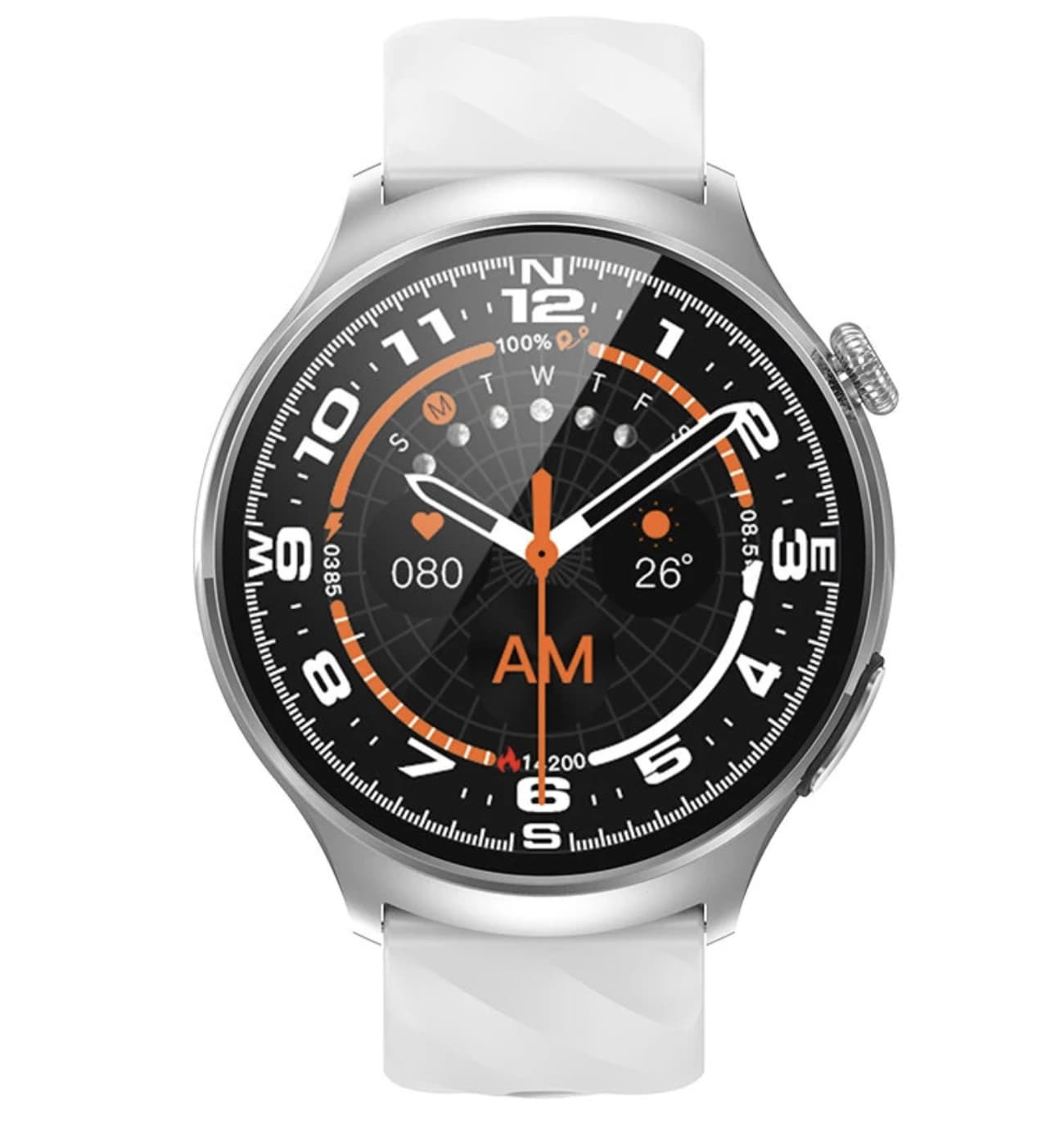
The MT600’s place in the health wearable market is as a feature-packed budget option for health-conscious users who aren’t athletes and can’t justify premium prices. It offers a broader health metric set than most competitors at its price point, with the one-click examination feature adding a convenience factor.
But it competes in a shrinking middle space, squeezed by minimalist trackers below and premium devices above. Its success will depend on whether consumers value breadth of features over depth of accuracy, and whether the device delivers enough reliability to justify the “health” positioning.
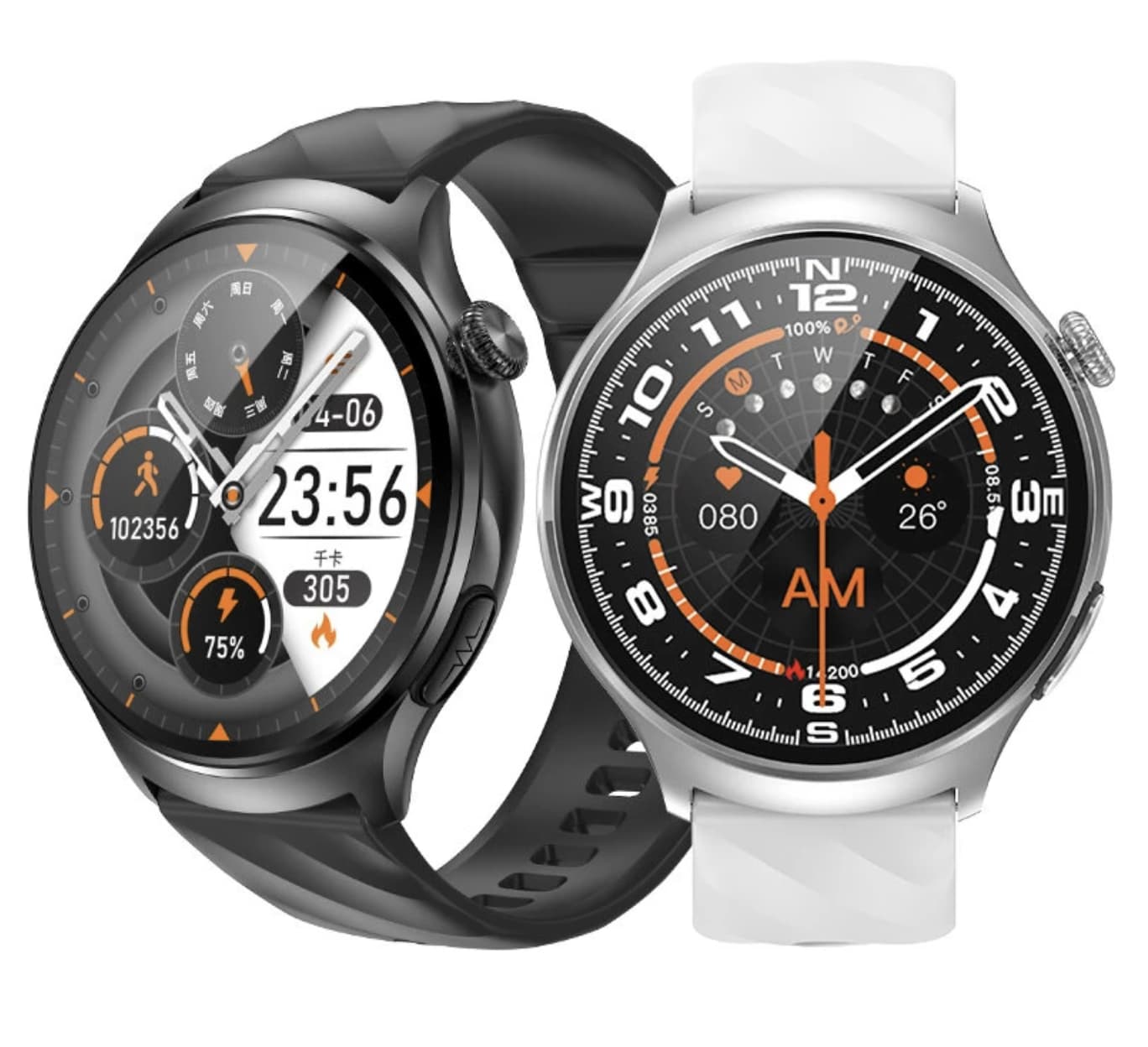
For buyers, the MT600 makes sense if:
-
You want ECG and blood pressure tracking on a budget
-
You understand these are reference readings, not diagnostics
-
You value having multiple metrics in one device
-
You’re not expecting Garmin-level sports analysis
For users who require medical-grade measurements or advanced sports analytics, a higher-end wearable is likely the better choice. The MT600 is better viewed as a general wellness companion rather than a clinical device, making it most suitable for everyday health and activity tracking.