









As vaping hardware continues evolving beyond fixed-output designs, SP2S explores the design principles behind Machine X and its approach to cartridge choice, adjustable output, and hardware compatibility. Beyond its headline specifications, Machine X demonstrates a broader point: coil structure, resistance, and power work best when treated as connected decisions.
Pod systems now range from fixed-output prefilled devices to adjustable refillable platforms. This gives adult users more choice, but it also raises a practical question: should ceramic, mesh, and refillable pods all operate in the same way?
The Machine X design takes a different approach: different pod types should not be treated as identical.
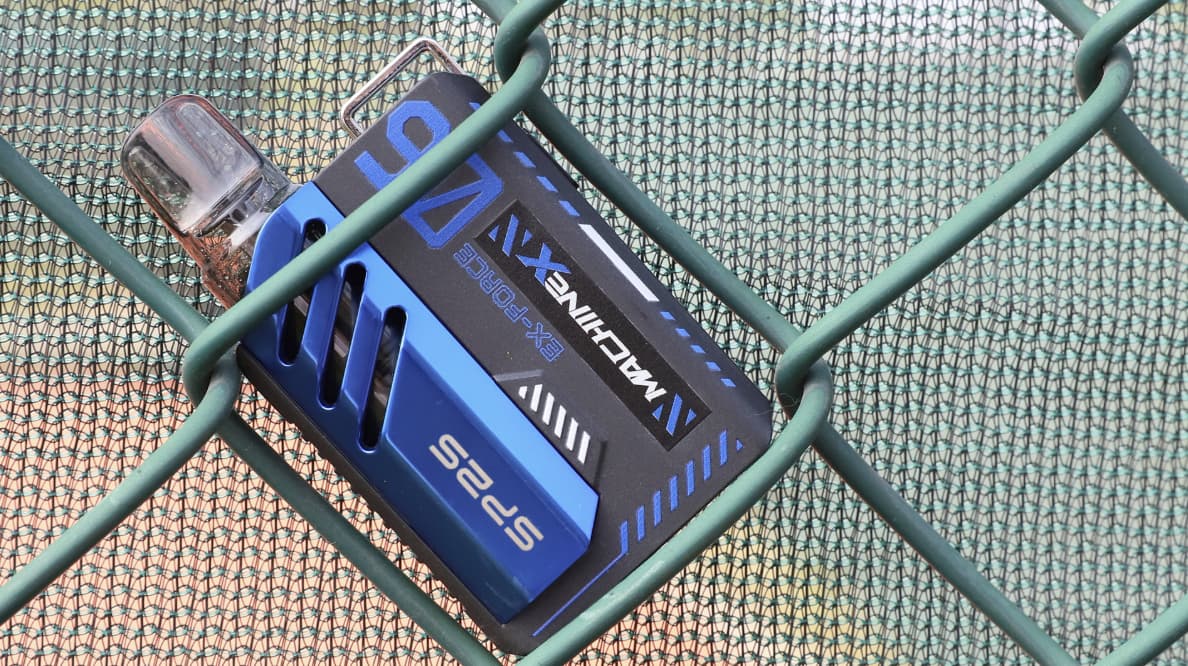
Looking Beyond Maximum Wattage
Maximum output is easy to promote because it reduces a device to one number. It says little about whether the available power suits the pod installed.
The SP2S Machine X adjustable wattage pod system allows output to be adjusted in 1W steps, up to 20W. More important than the maximum figure is the operating guidance supplied for different cartridge resistances.
This approach treats wattage as a matching tool. Users can adjust the output, but each pod also has a recommended setting and an upper limit. The relationship between cartridge selection and power settings becomes easier to understand without removing user control.
Ceramic Coil vs Mesh Coil: Different Design Priorities
The ceramic coil vs mesh coil discussion is often framed as a contest. From an engineering perspective, the difference is more useful than the idea of a universal winner.
Ceramic structures use porous material to influence e-liquid delivery and heat distribution around the heating element. Mesh coils distribute heat across a wider metal surface. Their behavior also depends on resistance, airflow, and selected output.
Machine X supports dual ceramic and mesh coil pods within the same device platform. A refillable pod option adds flexibility for users who prefer to select a compatible e-liquid.
Multiple formats become meaningful when the device also provides a clear way to operate them. That connection between pod choice and power control is central to the Machine X design.
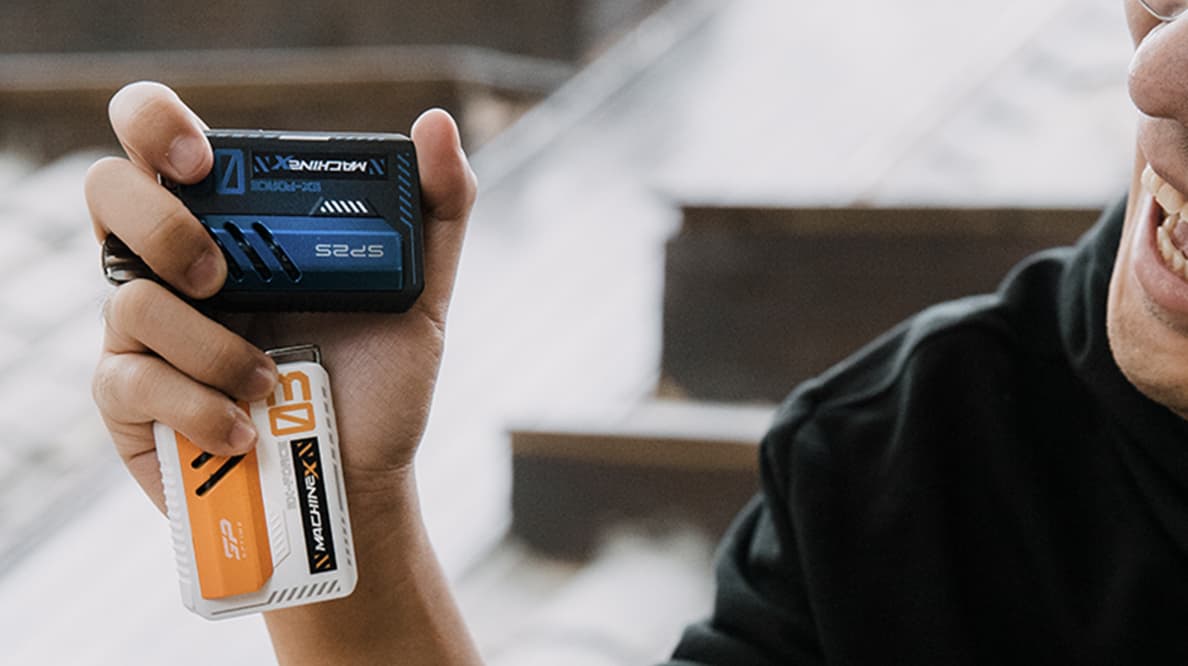
Resistance Is Only Part of the Power Decision
A common shortcut is to assume that a lower-resistance pod should always use more power. The Machine X operating guidance shows why resistance alone is not enough.
For its 0.55Ω pod, covering the 0.5Ω–0.7Ω range, the recommended output is 12W and the maximum limit is 17W.
For its 0.8Ω pod, covering the 0.7Ω–0.9Ω range, the recommended output rises to 14W, with a maximum limit of 18W.
For its 1.1Ω pod, covering the 0.9Ω–1.2Ω range, the recommended setting returns to 12W, with a maximum limit of 14W.
The 0.8Ω pod carrying a higher recommended setting than the lower-resistance 0.55Ω option illustrates the wider point. Coil construction and the intended operating profile also influence the appropriate output.
A useful pod wattage guide must therefore consider the specific cartridge rather than resistance in isolation. Machine X puts that principle into practice by pairing adjustable output with cartridge-specific recommendations and limits.
Control Without a Complicated Interface
Greater control can make a compact device harder to operate. Machine X keeps the adjustment process short.
Two quick button presses enter wattage adjustment mode. Each following press changes the output by 1W, and the selected setting is confirmed automatically after three seconds without further input.
A real-time display shows battery and power information. Its value is not the screen alone, but the connection between the information shown and what users need to check when changing cartridges.
From One Device to a Wider Cartridge Platform
The design becomes more significant when viewed beyond one device.
The Machine Z platform is designed to support selected Machine X dual ceramic and mesh cartridges. The platform maintains the different recommended power profiles associated with those cartridge types: 12W for the dual ceramic cartridge and 14W for the mesh cartridge.
This compatibility creates continuity between the devices. Familiar cartridge formats and power guidance can remain understandable as users move within the wider platform.
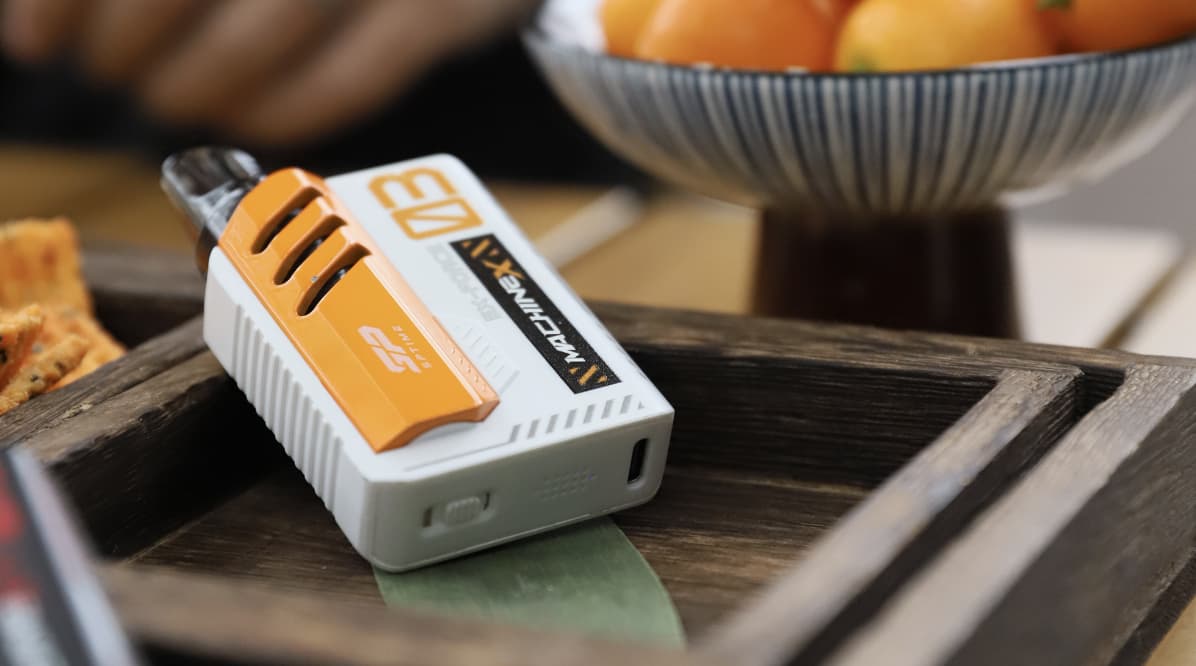
A More Lasting Approach to Pod Design
Machine X offers a useful case study in designing pod hardware beyond headline specifications.
Its adjustable output connects to several cartridge formats, defined resistance ranges, and recommended wattages with maximum limits. A visible display then helps users understand those settings during operation. Selected cartridge compatibility with Machine Z extends the same logic into a broader product platform.
This reflects SP2S’s approach to hardware development: designing relationships between pods, power, and user control instead of treating each component as an isolated feature.
In Machine X, the value is not only in the specifications themselves, but in the design logic connecting pods, power, and user control within one platform.
Product specifications and operating guidance in this article are based on materials supplied by SP2S. Availability, cartridge compatibility, and final specifications should be checked against approved packaging and user manuals for the relevant market.