









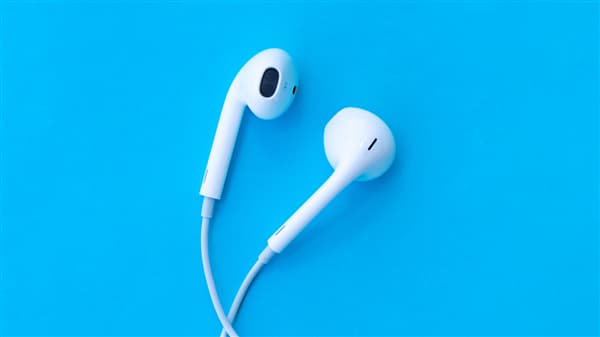
iGEEKPHONE July 4th: The Weibo topic “Who exactly cancelled the wired headphones?” topped the hot list, sparking widespread discussion. Under this topic,many netizens expressed their dissatisfaction, stating that cancelling wired headphones was one of the most unsuccessful moves in the history of smartphone development. Some even joked that the headphone cable is the soul of the headphones, just as the soup in a bowl of instant noodles is the soul of the noodles. Without it, one always feels that something is missing.
For users who insist on using wired headphones, the advantages of wired headphones are obvious: no need for charging, plug and play at any time; not prone to getting lost; and different styles can be chosen based on the outfit, combining practicality with decoration. Apart from the easy tangling of the wire, there are hardly any obvious drawbacks.
In terms of sound quality, wired headphones are far superior to Bluetooth headphones – even the wired headphones priced at several dozen yuan have a better sense of spatial depth than many Bluetooth headphones priced at several hundred yuan. This difference is particularly noticeable in the listening experience.
Some netizens have stated that they don’t have the habit of charging their devices at all times, so they don’t particularly like Bluetooth headphones. Not only are Bluetooth headphones prone to getting lost, but they also often accidentally play or pause due to accidental touches, causing a lot of inconvenience in daily use.
At present, the majority of mobile phone brands have eliminated the 3.5mm headphone jack. Meanwhile, each manufacturer is vigorously promoting their own TWS wireless headphones, which has continuously reduced the survival space for wired headphones and gradually marginalized them.
It is undeniable that the greatest advantage of wireless headphones lies in their convenience – the TWS true wireless design completely eliminates the constraints of cables, providing a more free-wearing experience. However, their sound quality is generally inferior to that of wired products at the same price point, and there is a certain listening delay. For users who value sound quality, these shortcomings are still difficult to ignore.
For this reason, many users still choose to stick with wired headphones. They don’t require charging, are less likely to get lost, and the audio and visuals are completely synchronized without any delay. These seemingly simple advantages have, in today’s era of widespread wireless headphones, become the unique competitive edge of wired headphones.