









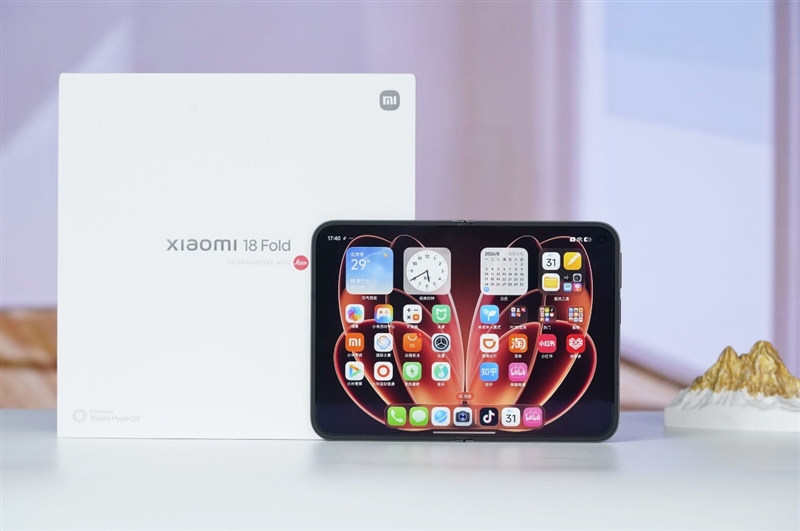
The Xiaomi 18 series has arrived with the new Xiaomi 18 Fold, a premium foldable smartphone designed to combine flagship performance with a larger, more practical screen. The device also introduces Xiaomi’s latest in-house mobile processor, the Xiaomi Xring O3, marking another major step in the company’s chip development strategy.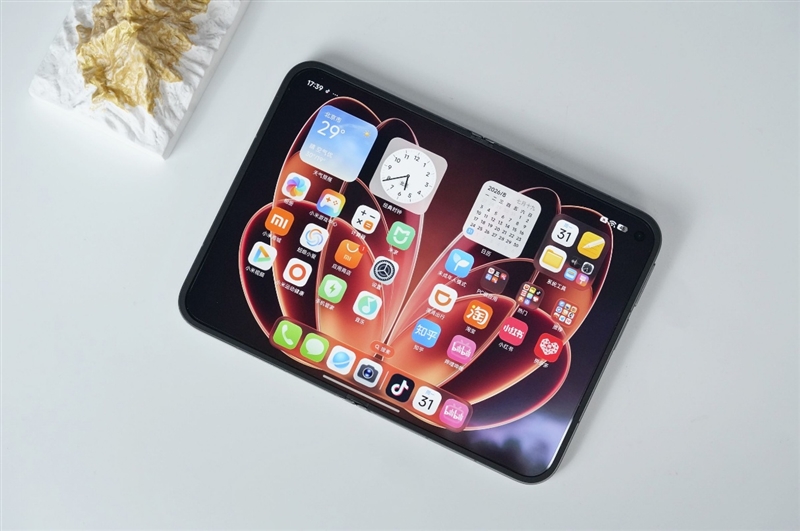
Built on a 3nm manufacturing process, the Xring O3 increases its transistor count from 19 billion in the previous generation to 24 billion. This increase is designed to deliver higher processing performance while improving power efficiency for demanding mobile workloads.
The Xiaomi 18 Fold package also includes a special Xring O3 card featuring Lei Jun’s signature. The inclusion highlights Xiaomi’s focus on developing its own core technologies and strengthening its position in the premium smartphone market.
Xiaomi Xring O3 and LPDDR6 Memory
The Xiaomi Xring O3 is positioned as Xiaomi’s most advanced self-developed mobile SoC so far. The company has focused heavily on AI processing, performance, and energy efficiency, making the chip an important part of the Xiaomi 18 Fold experience.
One of the most notable features is its support for LPDDR6 memory, the latest-generation mobile memory standard referenced for the device. The 1TB version of the Xiaomi 18 Fold is equipped with Changxin LPDDR6 memory, giving the phone additional memory bandwidth for multitasking, AI applications, gaming, and other demanding tasks.
The combination of the Xring O3 processor and LPDDR6 memory makes the Xiaomi 18 Fold particularly interesting for users who want flagship-level performance in a foldable form factor.
2:1 Foldable Display Design
Xiaomi has taken a different approach to the display design of the 18 Fold. Its inner screen uses a 2:1 aspect ratio, which creates a more balanced shape when the phone is opened or folded.
The design also allows the inner display to offer roughly twice the screen area of the outer display while maintaining a consistent aspect ratio. This can make multitasking more practical and gives the unfolded screen a layout that is closer to a compact tablet.
For split-screen use, the 2:1 format is especially useful. Two applications can be displayed side by side with a layout that closely resembles using two conventional smartphone screens next to each other. This can improve the presentation of documents, charts, apps, and other content.
The display approach also reflects the broader trend toward foldable phones that offer a more tablet-like experience without becoming excessively wide or difficult to handle.
Xiaomi 18 Fold Colors and Ceramic Edition
The Xiaomi 18 Fold is available in three standard finishes: Black, Warm Gold White, and Nishino Red.
Nishino Red is the most distinctive option of the three. Inspired by autumn landscapes, the color uses a warm reddish-brown tone to create a premium appearance while keeping the overall design relatively understated.
Xiaomi has also introduced a Ceramic Special Edition for users looking for a more exclusive finish. The design is inspired by traditional ceramic craftsmanship and uses a refined light-pink glaze appearance.
Producing this finish involves high-temperature processing, with silicon nitride reportedly sintered at temperatures of up to 1,840°C. Rare-earth erbium is then used during the coloring process to achieve the final visual effect.
The ceramic edition is designed to offer the smooth feel and durability associated with ceramic while reducing weight compared with some conventional zirconia-based ceramic solutions. Despite using a different rear material, the overall device weight is listed at 219 grams, matching the AG glass version.
Leica Triple Camera System
Photography is another major part of the Xiaomi 18 Fold. The phone features a Leica Summilux optical system with a triple-camera setup, designed to cover multiple focal lengths.
The three rear cameras are positioned horizontally in a clean arrangement. Xiaomi has also kept the camera module relatively compact, helping maintain a comfortable grip while giving the rear panel a distinctive flagship look.
The Leica branding and multi-focal-length camera system make the Xiaomi 18 Fold appealing to users who want a foldable smartphone without sacrificing camera versatility.
6000mAh Battery and Fast Charging
The Xiaomi 18 Fold packs a 6000mAh Silicon-carbon battery, giving the device a large power reserve for everyday use, multitasking, gaming, photography, and other demanding applications.
Charging support is equally impressive, with 67W wired fast charging and 50W wireless charging. This combination gives users flexible charging options while reducing the amount of time needed to recharge the large battery.
With its high-capacity battery and fast-charging support, the Xiaomi 18 Fold is designed to balance the power requirements of its large foldable display and flagship hardware.
Design and Build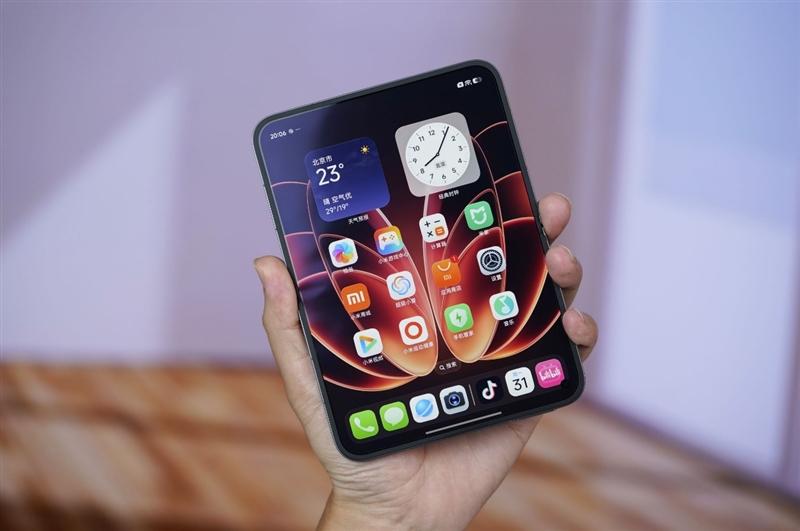
The Xiaomi 18 Fold introduces a new foldable design for Xiaomi: the mid-fold form factor. It sits between a large book-style foldable and a compact flip phone, offering a different balance of portability and screen size.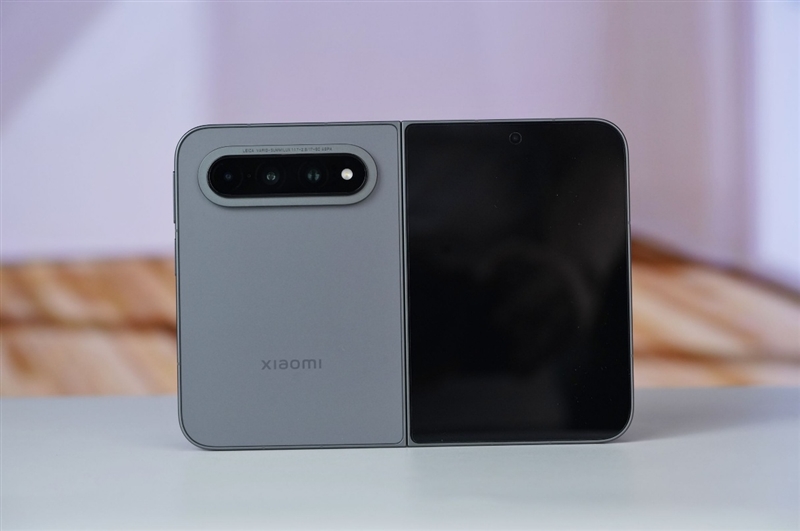
When unfolded, the Xiaomi 18 Fold features a 7.58-inch inner display, which is roughly comparable to the size of an A6 sheet of paper. Its extremely narrow bezels on all four sides give the screen a larger and more immersive appearance.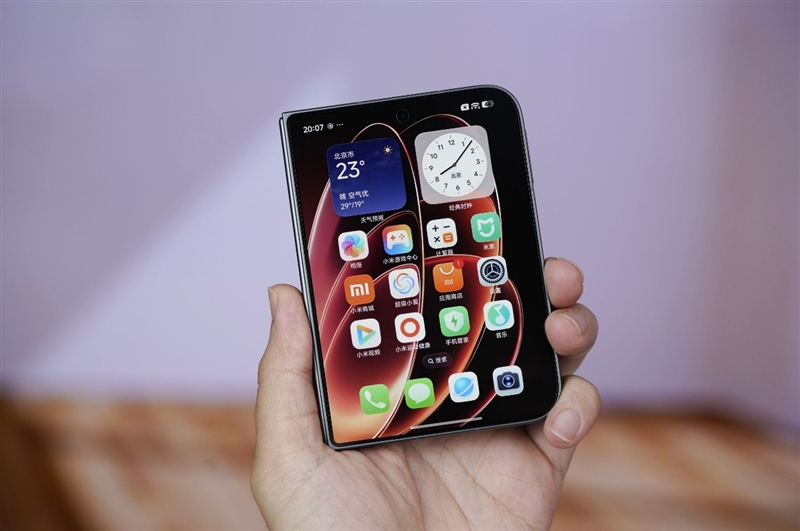
Both the inner and outer displays use a Super Pixel arrangement, giving the Xiaomi 18 Fold full RGB sub-pixel layouts on both screens. This helps maintain sharp image quality while making the two displays more consistent with each other.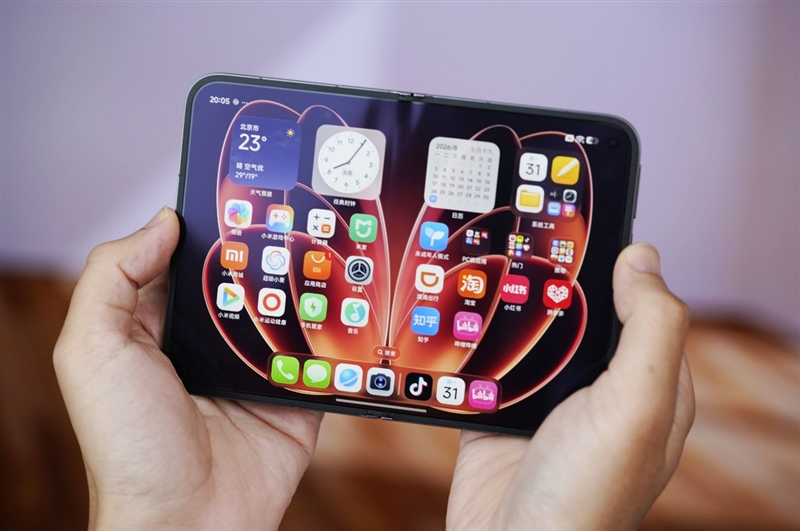
Another highlight is the brightness. Both screens are designed for strong outdoor visibility, with a peak brightness of up to 4,000 nits. This makes the Xiaomi 18 Fold easier to use in bright environments, whether you are indoors or outside.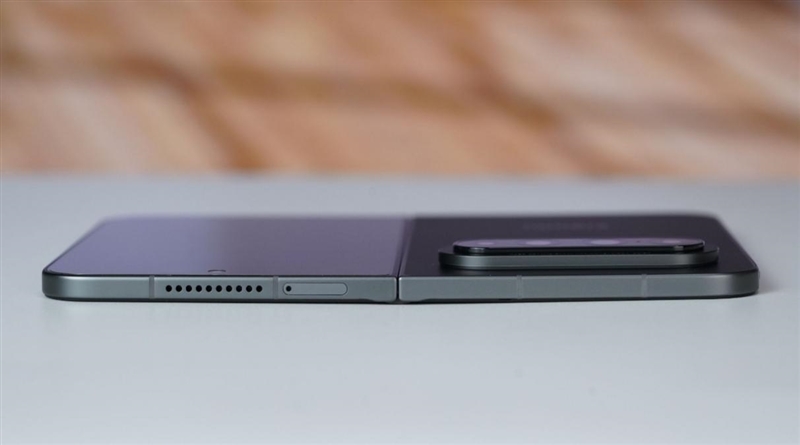
The rear panel features a clean and minimalist look. Xiaomi places the Leica triple-camera system inside a rounded, racetrack-shaped camera module that gives the phone a distinctive appearance without making the design feel overly busy.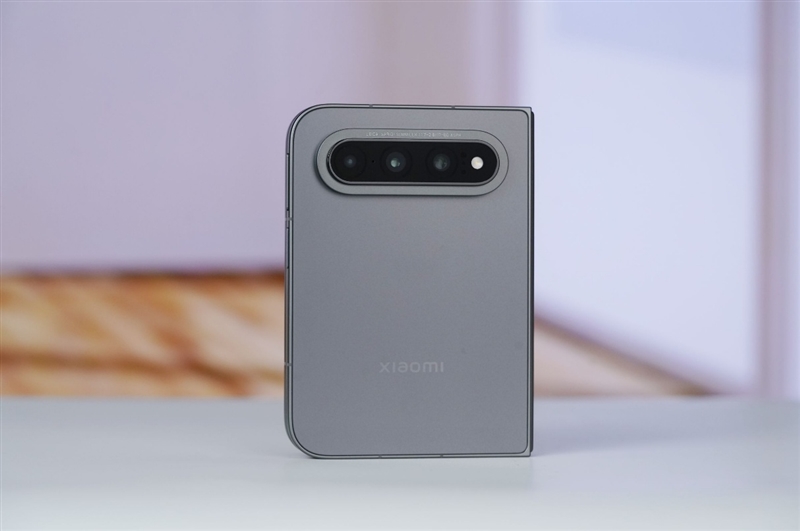
A closer look at the camera module reveals a subtle Leica inscription engraved around the upper section of the outer ring. The branding is understated and only becomes obvious when viewed up close.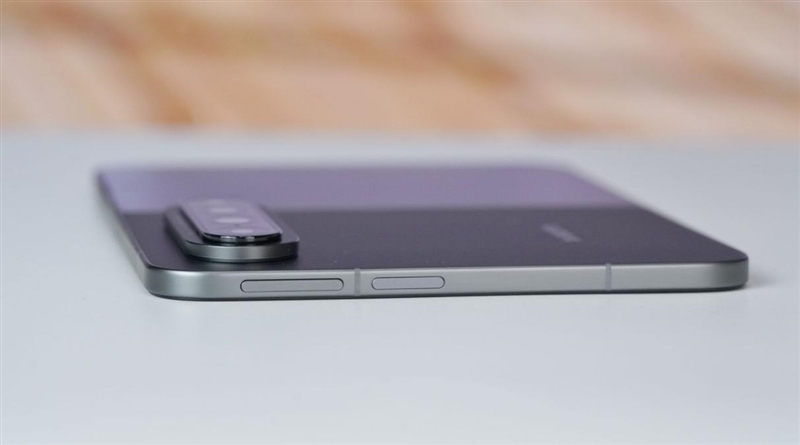
When unfolded, the Xiaomi 18 Fold measures 163.8 x 117.9 mm. Its proportions make it practical to use horizontally as a compact tablet, while users with larger hands can also hold it vertically like an oversized candybar smartphone.
One of the biggest advantages of this design is its slim profile. The device is just 5.02 mm thick on one side and weighs approximately 219 grams. That makes it lighter than many conventional flagship smartphones and significantly more portable than most large foldable phones.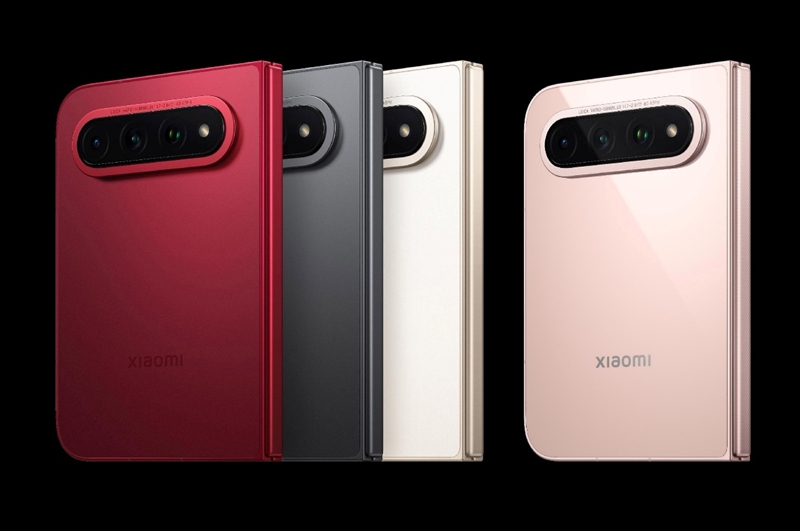
The speaker system is positioned at both ends of the same side, creating a more balanced stereo effect when the phone is used horizontally for gaming or video playback. The SIM card tray is located along the top edge, while the USB-C port sits in the center of the bottom edge.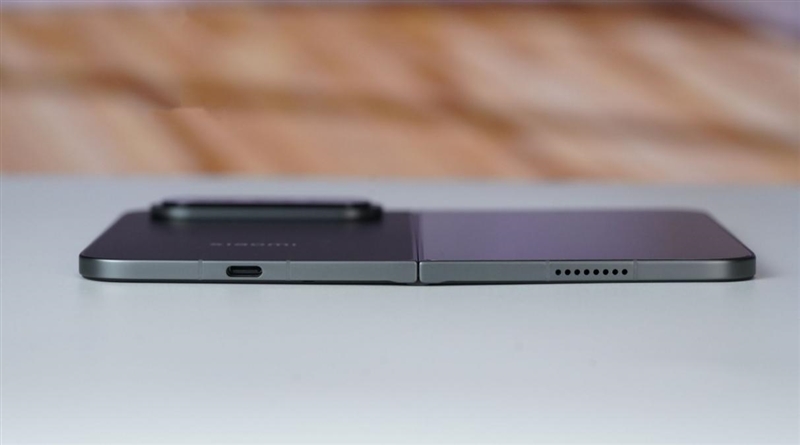
The metal frame has a fine frosted texture that gives the phone a smooth and refined feel in the hand. Xiaomi also uses the same finish for the power and volume buttons, helping the entire frame maintain a consistent appearance.
Folded Size and One-Handed Use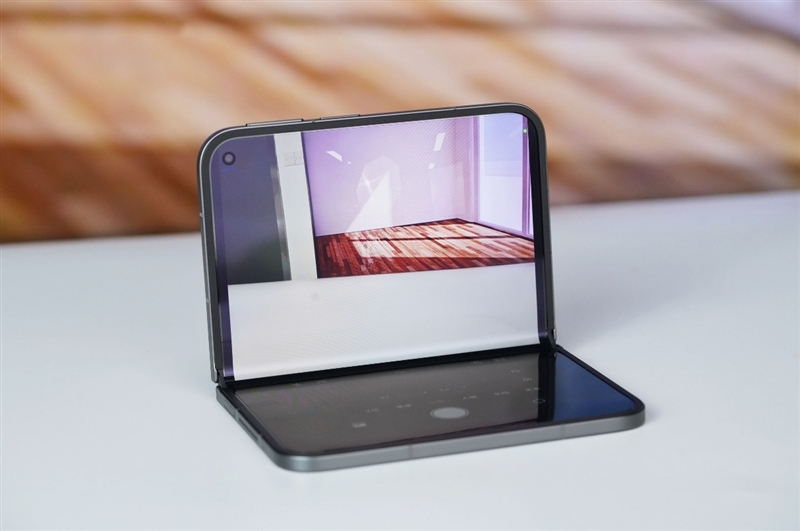
When folded, the Xiaomi 18 Fold measures approximately 117.8 x 83.6 mm, giving it a compact and easy-to-handle shape.
Although the folded device looks short and relatively thick, its width is only slightly greater than that of a typical flagship smartphone. This allows it to sit comfortably in one hand.
Its shorter height also improves one-handed usability. Tasks such as typing, checking notifications, scrolling and swiping back can be performed without constantly repositioning the phone.
The folded Xiaomi 18 Fold is roughly comparable in size to an A7 sheet of paper, allowing it to fit easily into a suit pocket or some larger shirt pockets. Its compact footprint also makes it convenient to carry throughout the day.
Despite being a foldable device, it measures only 10.68 mm thick when closed. As a result, it avoids the bulky feel commonly associated with larger foldable smartphones.
Hinge Design
Xiaomi has equipped the 18 Fold with a new-generation keel hinge featuring a three-bar linkage mechanism. The hinge provides moderate resistance while opening and closing, and it can hold the display at various angles.
This design makes the phone more flexible for different use cases, including reading, watching videos and hands-free viewing.
Charger and In-the-Box Accessories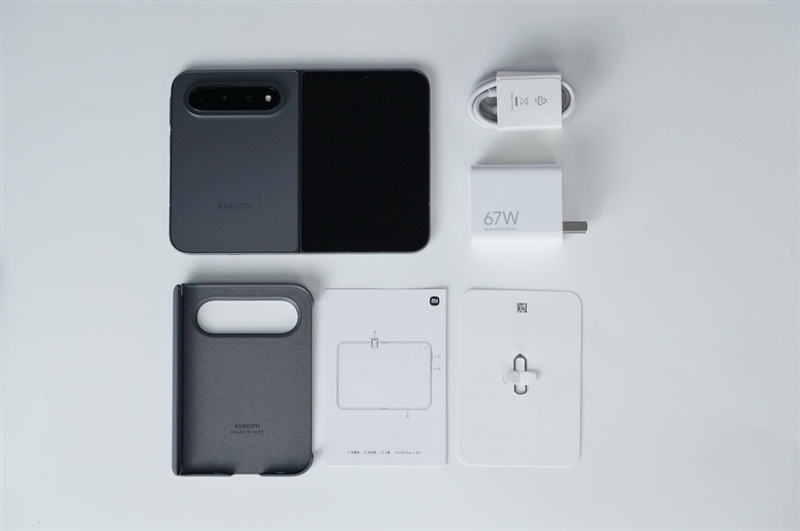
The Xiaomi 18 Fold comes with a 67W charger, providing a convenient charging solution straight out of the box.
Xiaomi also includes a protective phone case with the retail package. The case features an integrated magnetic ring, allowing the phone to work with a range of compatible magnetic accessories.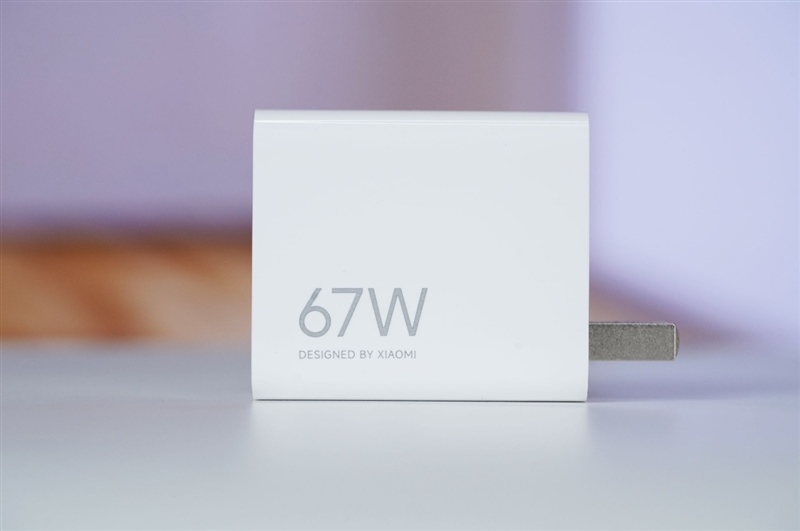
Overall, the Xiaomi 18 Fold focuses heavily on portability, slimness and one-handed usability. Its mid-fold design gives it a distinctive identity among foldable phones, while the lightweight construction and compact folded dimensions make it easier to carry than many larger foldable models.
Mid-Foldable Screen Experience
One of the most interesting aspects of the Xiaomi 18 Fold is its approach to screen proportions. The inner and outer displays use a 2:1 aspect ratio, creating a consistent layout across different screen sizes. Apps, icons, and widgets remain arranged in familiar positions whether the phone is folded, partially opened, or fully unfolded. This makes switching between display modes feel intuitive and avoids the layout changes that can sometimes make foldable phones confusing to use.
The unfolded screen is also surprisingly compact compared with a traditional tablet. Placed beside an A5 notebook, the Xiaomi 18 Fold occupies roughly half its footprint and is closer in size to an A6 sheet of paper. When folded, it becomes approximately A7-sized, giving it a compact form factor similar to a small notebook or even a passport.
That compact design does not make the outer display difficult to use. In folded mode, the phone is slightly wider than a conventional flagship smartphone, which provides enough space for comfortable one-handed operation. The 26-key keyboard layout also benefits from the added width, making typing feel less cramped.
A 1.414:1 Display Ratio for Everyday Content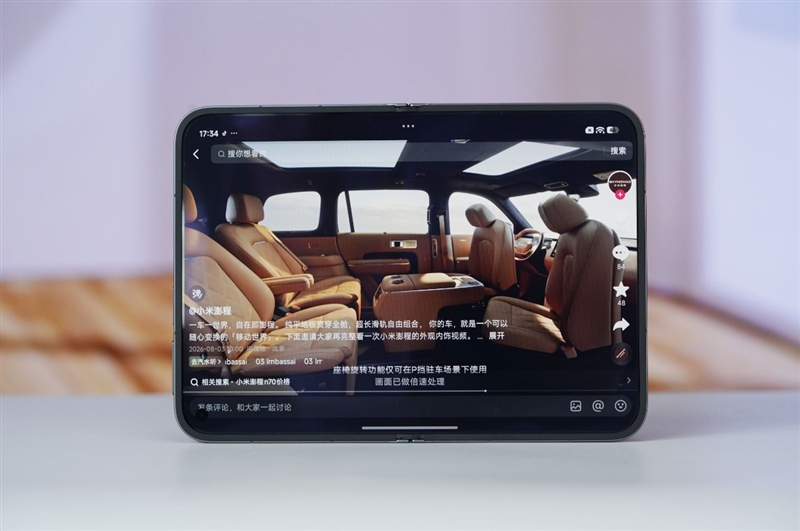
The Xiaomi 18 Fold uses a √2:1 screen ratio, which works out to approximately 1.414:1. This is wider than the traditional 16:9 format commonly used for video content. As a result, watching 16:9 videos may leave small black bars around the image, although they do not significantly affect the overall viewing experience.
The extra screen area becomes more useful with other types of content. For example, many vertical short videos use a 3:4 format, allowing them to fill more of the display. According to the supplied specifications, this helps the Xiaomi 18 Fold achieve a screen-to-body ratio of up to 95.2%.
Photography is another area where the unusual aspect ratio can be useful. When viewing 3:2 photos, as much as 93.3% of the screen can be used for displaying the image. This makes the large inner display particularly useful for reviewing photos without wasting too much space.
The √2:1 ratio is also closely aligned with standard international paper sizes. That makes the Xiaomi 18 Fold especially practical for reading documents, working with PDFs, and handling office files. A standard A4 document can be displayed at the same proportional ratio, reducing the need for excessive cropping or scaling.
For users who frequently read documents or work while traveling, this design gives the Xiaomi 18 Fold an advantage over foldable phones that prioritize video playback alone. Although 16:9 movies and long-form videos may not take up the entire display, the wider range of supported content makes the screen more versatile for everyday productivity.
Tablet-Style Productivity on a Foldable Phone
Xiaomi has also optimized the inner display for applications designed for larger screens. Several productivity apps can take advantage of the expanded layout, providing an experience that is closer to using a tablet than a conventional smartphone.
The Xiaomi 18 Fold comes with five PC-level applications. These include WPS For Pad and CapCut Pro, along with Wind Financial Terminal PC, ZWCAD, and CNKI CAJ. The inclusion of professional software makes the foldable more useful for users who need access to documents, design tools, financial platforms, or research materials while away from a desktop computer.
Some of these professional applications are better suited to a larger input method. Connecting an external keyboard can make longer documents, spreadsheets, and other desktop-style tasks considerably easier, just as it does on a conventional tablet.
A Better Fit for Multitasking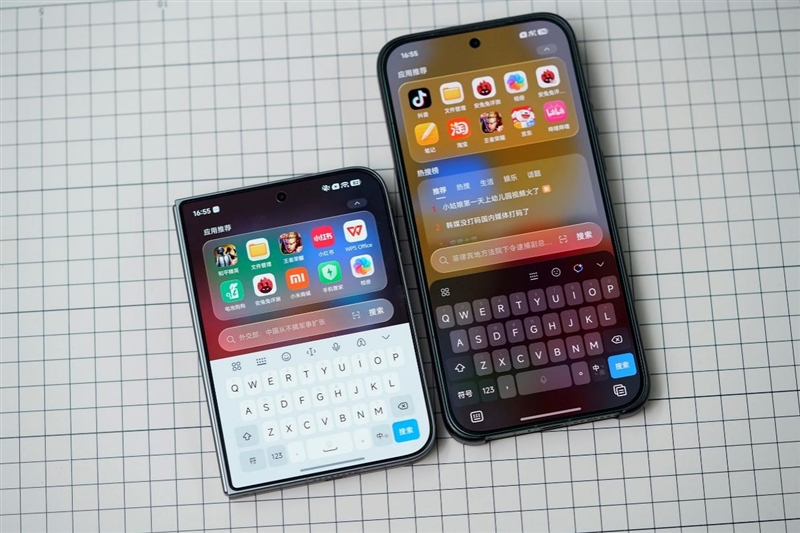
The larger inner display gives the Xiaomi 18 Fold more room for multitasking. Applications designed for tablets can take advantage of the additional width, while split-screen functionality allows users to work with multiple types of content at the same time.
For example, Xiaohongshu can use a three-column layout similar to a tablet interface, making browsing more engaging on the larger panel. Split-screen mode can also place images on one side and comments on the other, allowing users to view more information without constantly switching between pages.
Overall, the Xiaomi 18 Fold’s screen is not simply a larger smartphone display. Its compact folded size, practical aspect ratio, high screen utilization, document-friendly proportions, and tablet-style software support make it a versatile option for both entertainment and productivity.
The display may not be perfectly optimized for traditional 16:9 video, but its broader usability makes up for that limitation. For reading documents, browsing social media, reviewing photographs, multitasking, and handling professional applications, the Xiaomi 18 Fold’s mid-size foldable design offers a compelling balance between portability and screen space.
Performance and Gaming
The Xiaomi 18 Fold stands out as one of Xiaomi’s most advanced flagship foldable phones, particularly because of its new Xring O3 flagship SoC and Changxin LPDDR6 memory. Together, these components are designed to deliver higher performance, better energy efficiency, and improved memory bandwidth.
The Xring O3 is Xiaomi’s second high-end flagship chipset developed in-house. It continues to use a 3nm manufacturing process, while the transistor count has increased from 19 billion in the previous generation to 24 billion.
The chipset features a 10-core all-big-core CPU and a 16-core GPU. Xiaomi has also redesigned the underlying architecture to reduce CPU memory access latency. These improvements are intended to speed up data transfer, improve overall responsiveness, and reduce power consumption during demanding workloads.
AnTuTu Benchmark Performance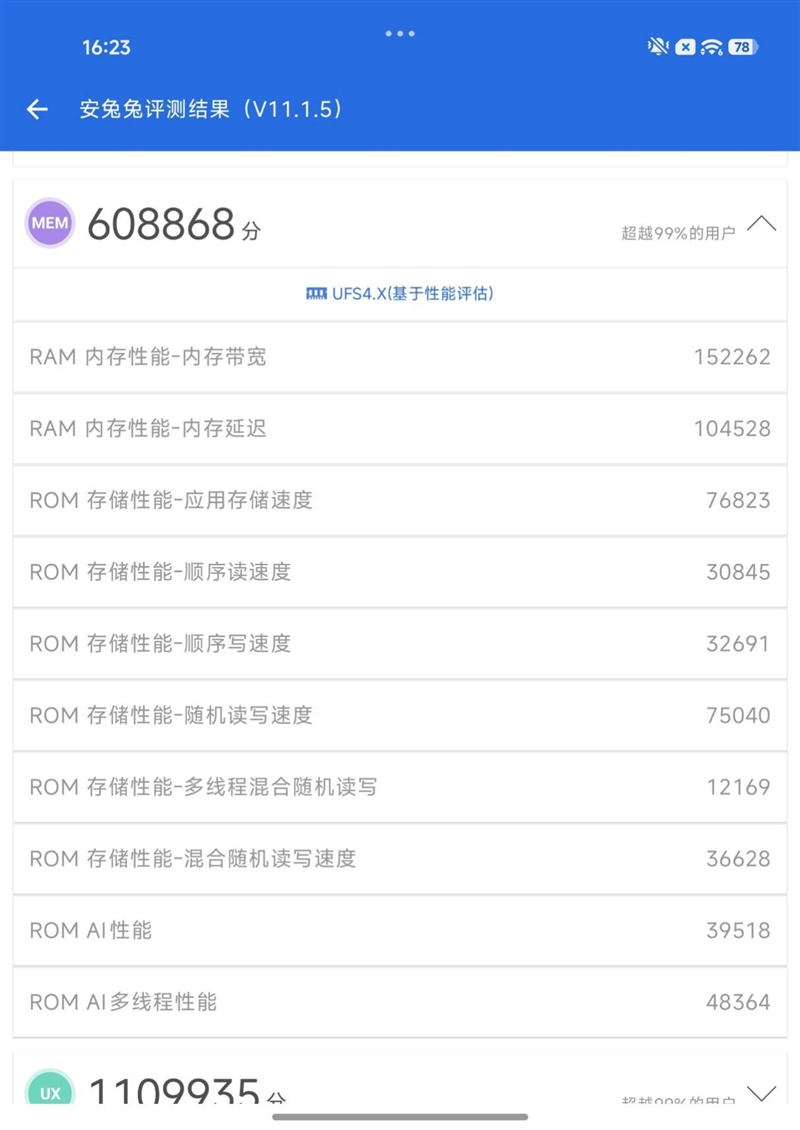
Xiaomi claims that the Xring O3 can achieve an AnTuTu benchmark score of 5.22 million points, making it the company’s first flagship chipset to cross the five-million mark under its stated testing conditions.
The CPU architecture is divided into three performance groups. The two Ultra cores handle demanding bursts such as app launches, scene switching, and intensive gaming workloads. Four Premium cores provide additional performance for multitasking and demanding applications while maintaining better power efficiency. The remaining four Pro cores focus on everyday tasks with lower power consumption.
According to Xiaomi, this architecture delivers a 60.1% performance improvement over the previous generation while reducing power consumption by approximately 25%.
The GPU uses Xiaomi’s latest G2-Ultra NX architecture, which reportedly provides a 21% improvement in graphics performance compared with the previous Xring O1 generation. Ray-tracing performance has also been doubled, while the 16-core GPU configuration is designed to handle demanding graphics workloads more efficiently.
In our own testing, the Xiaomi 18 Fold achieved approximately 5.17 million points in AnTuTu at room temperature. Although this result is slightly below Xiaomi’s official figure, it remains extremely high for a smartphone and demonstrates the performance potential of the Xring O3.
LPDDR6 Memory and Memory Bandwidth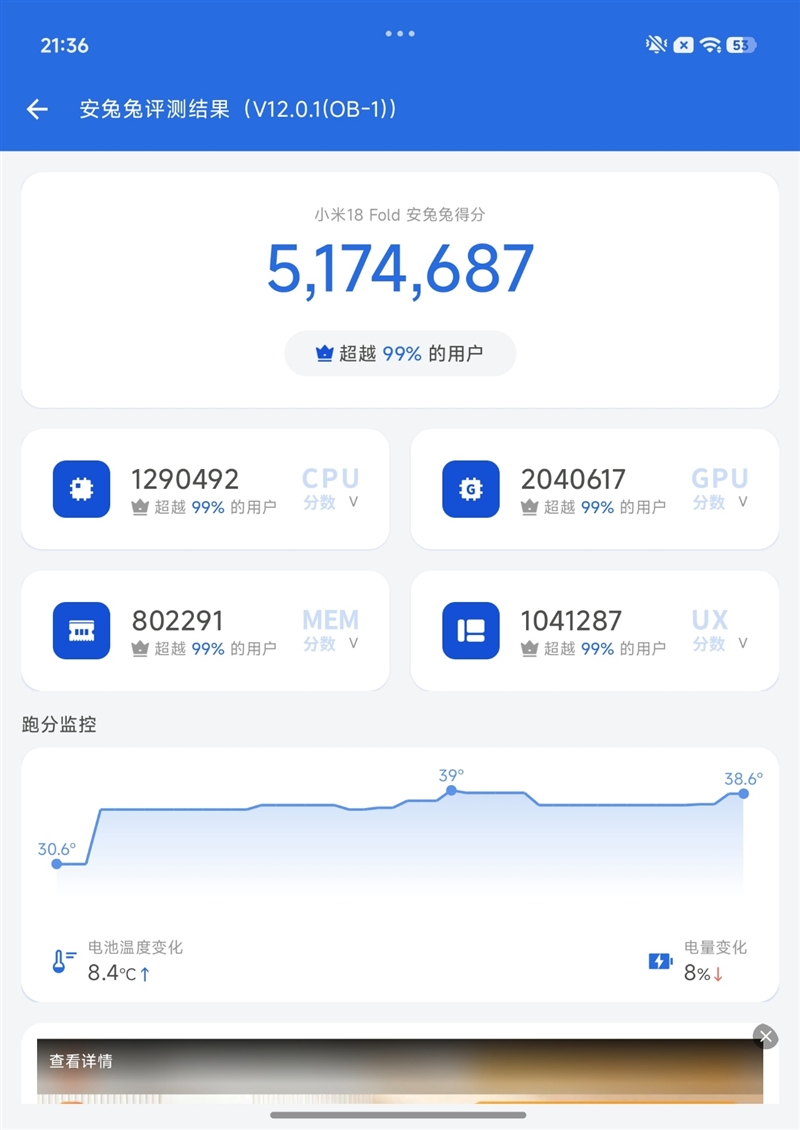
One of the Xiaomi 18 Fold’s most notable hardware upgrades is its use of LPDDR6 memory. The phone is designed around Xiaomi’s Xring O3 platform and Changxin LPDDR6 memory, giving it a significant increase in memory bandwidth compared with previous-generation LPDDR5X solutions.
The LPDDR6 memory operates at up to 10,667 Mbps, while the memory bus width increases from 16-bit on LPDDR5X to 24-bit. According to the stated specifications, total memory bandwidth can reach 113.8 GB/s.
Xiaomi has also focused on reducing memory access latency. The platform uses architectural changes, optimized routing, and memory resource management to reduce congestion when multiple system components access memory simultaneously.
The reported static memory latency is as low as 82ns, while dynamic latency can reach 177ns. For comparison, Xiaomi lists the Apple A19 Pro at 92ns static latency and 211ns dynamic latency under its cited testing conditions.
To evaluate the memory upgrade, we compared the Xiaomi 18 Fold with LPDDR6 against the Xiaomi 17 Ultra with LPDDR5X.
The Xiaomi 18 Fold achieved a memory bandwidth score of 152,262 points in AnTuTu, compared with 110,610 points for the Xiaomi 17 Ultra. That represents an improvement of approximately 37.6%.
Memory latency also improved by around 10% in the comparison. For everyday users, the benefit is most noticeable when switching between multiple applications, loading large files, or running demanding apps simultaneously.
Gaming, however, provides a better way to evaluate the combination of the Xring O3 chipset and LPDDR6 memory. We therefore tested the Xiaomi 18 Fold with several popular mobile games.
Honor of Kings Gaming Test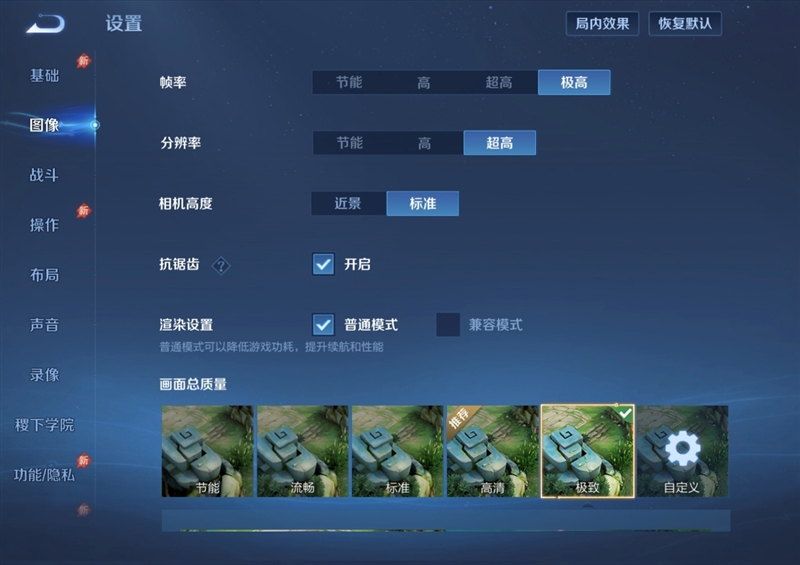
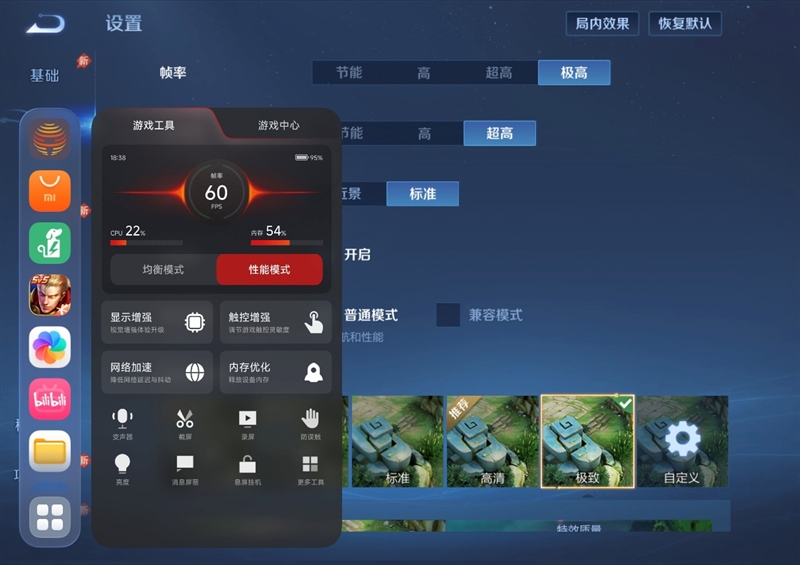

The Xiaomi 18 Fold is not marketed as a dedicated gaming smartphone, so it does not include some specialized gaming functions such as frame interpolation. For testing, we selected the highest available graphics settings in Honor of Kings.
The phone was switched to performance mode through the gaming tools to maximize the available processing power.
The large inner display is particularly useful for gaming. Its wider viewing area provides more screen space, allowing players to see more of the battlefield and identify opponents more easily.
During a complete 5v5 match, the Xiaomi 18 Fold maintained a consistently high frame rate with very few fluctuations. Gameplay remained smooth throughout the test, even during intense combat situations.
Average power consumption was approximately 2.38W, while power consumption per frame was measured at around 39.7mW.
Peacekeeper Elite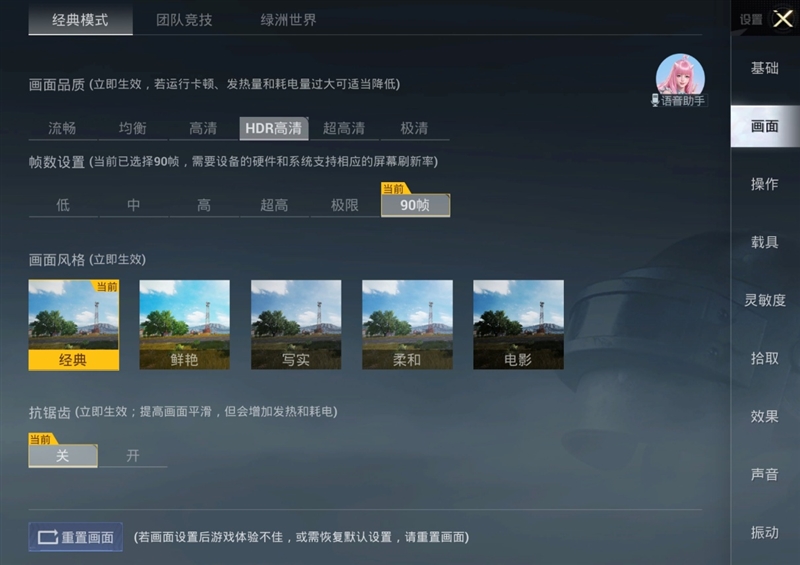
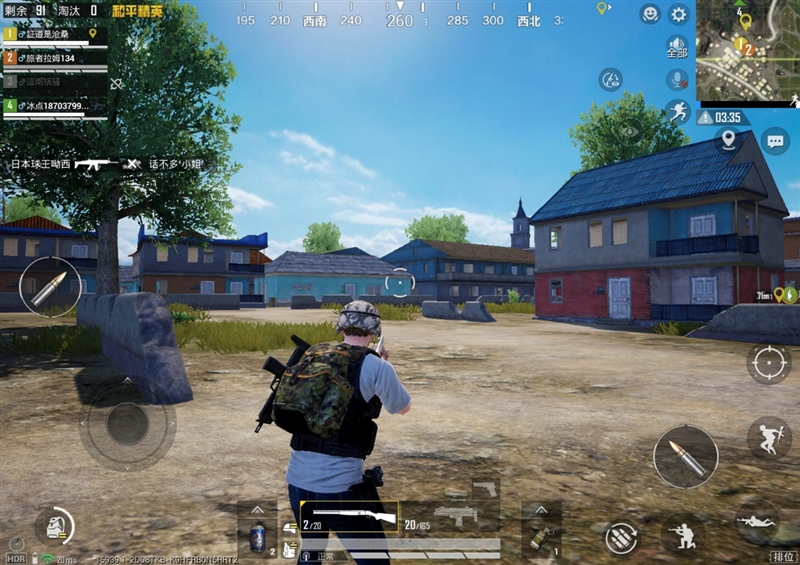
For Peacekeeper Elite, we again selected the highest graphics settings available. The game allowed the Xiaomi 18 Fold to run at a 90 FPS refresh rate.
The result was impressive. Gameplay remained smooth and stable at 90 FPS, with the large inner display providing a wider field of view.
The expanded screen area is particularly useful in shooting games because interface controls occupy less of the visible play area. This allows players to maintain a clearer view of their surroundings while moving and aiming.
During a gaming session lasting nearly 20 minutes, the Xring O3 maintained an average frame rate of 89.91 FPS, with almost no noticeable drops.
Average power consumption was approximately 3.39W, while power consumption per frame was around 37.83mW.
Genshin Impact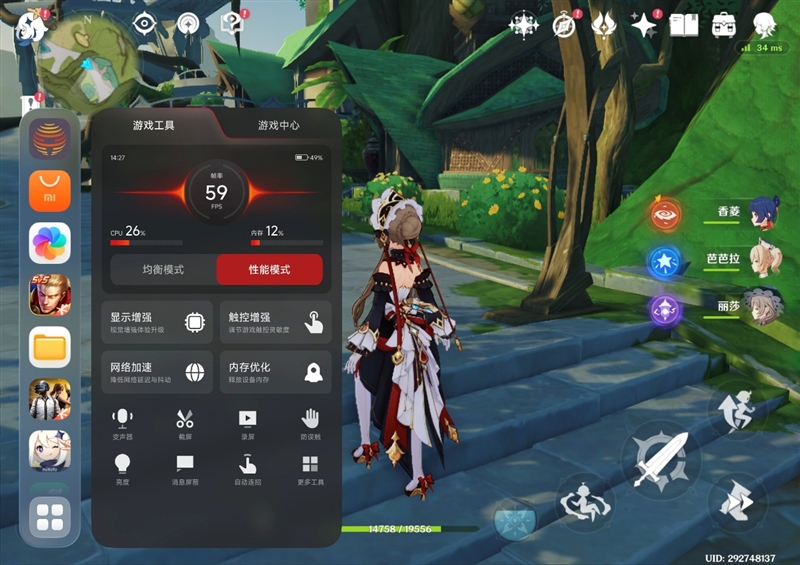
Genshin Impact is considerably more demanding than the other titles tested, making it a useful benchmark for sustained performance.
We set the graphics quality to the highest level and selected a 60 FPS frame-rate target. Performance mode was enabled through Xiaomi’s gaming tools, and we performed a map-running test in the Sumeru City area.
During the 10-minute test, the Xiaomi 18 Fold achieved an average frame rate of 60.05 FPS. There were some minor fluctuations, but overall gameplay remained smooth and responsive.
Average power consumption reached approximately 3.90W, with power consumption per frame measured at around 65.04mW.
These results show that the Xring O3 can handle demanding 3D games at high graphics settings while maintaining a stable frame rate.
Xiaomi 18 Fold Thermal Performance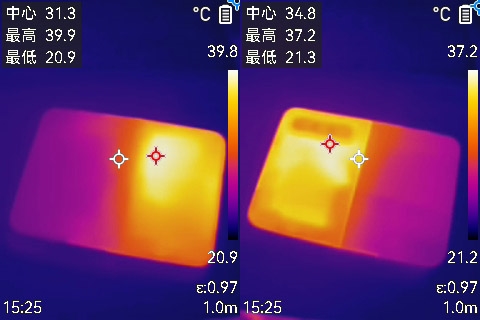
We also used a thermal imaging camera to evaluate the Xiaomi 18 Fold during continuous gaming and performance testing.
With an ambient room temperature of 26°C, the highest measured temperature on the front of the phone was approximately 39°C, while the rear reached around 37°C.
Despite sustained workloads, the phone remained relatively comfortable to hold, with only a mild increase in surface temperature.
The results suggest that Xiaomi has paid close attention to cooling and thermal management on the 18 Fold. The device combines high-end processing power with relatively controlled temperatures, which is important for maintaining stable performance during longer gaming sessions.
Camera Review and Sample Photos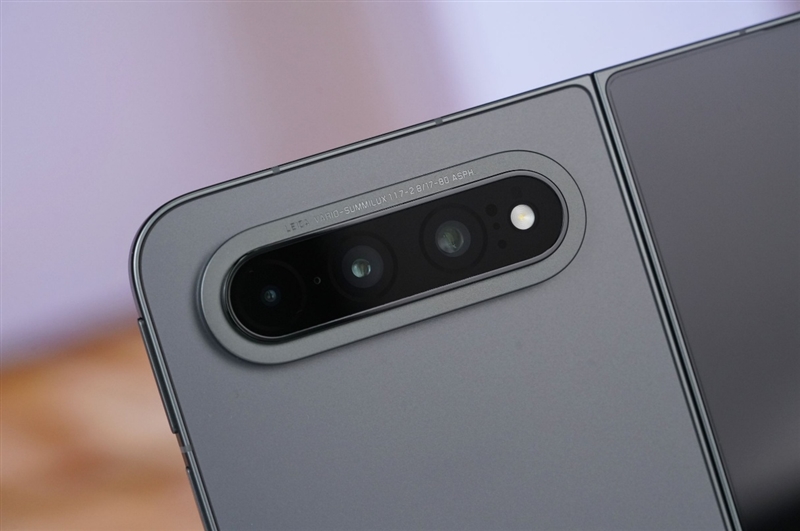
The Xiaomi 18 Fold may focus heavily on performance, memory, and power efficiency, but its camera system is also worth a closer look. The phone features a Leica Summilux optical system and a triple-camera setup designed to cover ultra-wide, standard, and telephoto focal lengths.
While the Xiaomi 18 Fold is not marketed primarily as a camera flagship, its imaging hardware remains highly competitive among foldable smartphones with a similar design.
The rear camera module uses a distinctive racetrack-shaped DECO. From left to right, it houses the ultra-wide-angle camera, main camera, telephoto lens, and flash. The straight-line layout keeps the module visually clean while maintaining a comfortable grip despite the phone’s compact foldable body.
The Leica branding is subtly engraved around the outer edge of the camera ring, giving the module a premium and understated appearance.
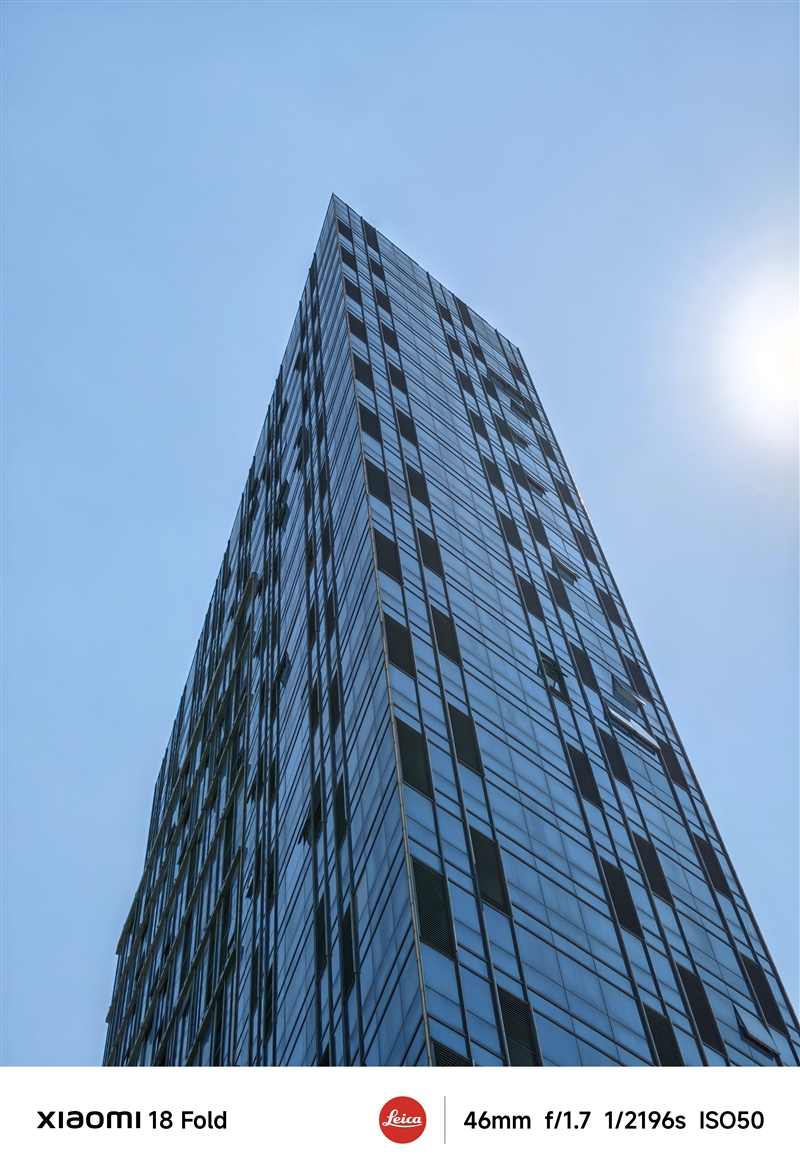
The main camera is built around a 200MP Samsung HP5 sensor with a 1/1.56-inch sensor size and a bright f/1.7 aperture. It uses a 1G+6P lens configuration, offers a 23mm equivalent focal length, and supports a minimum focusing distance of just 10cm.
This combination is designed to capture detailed images while also providing flexibility for close-up photography.
Telephoto Camera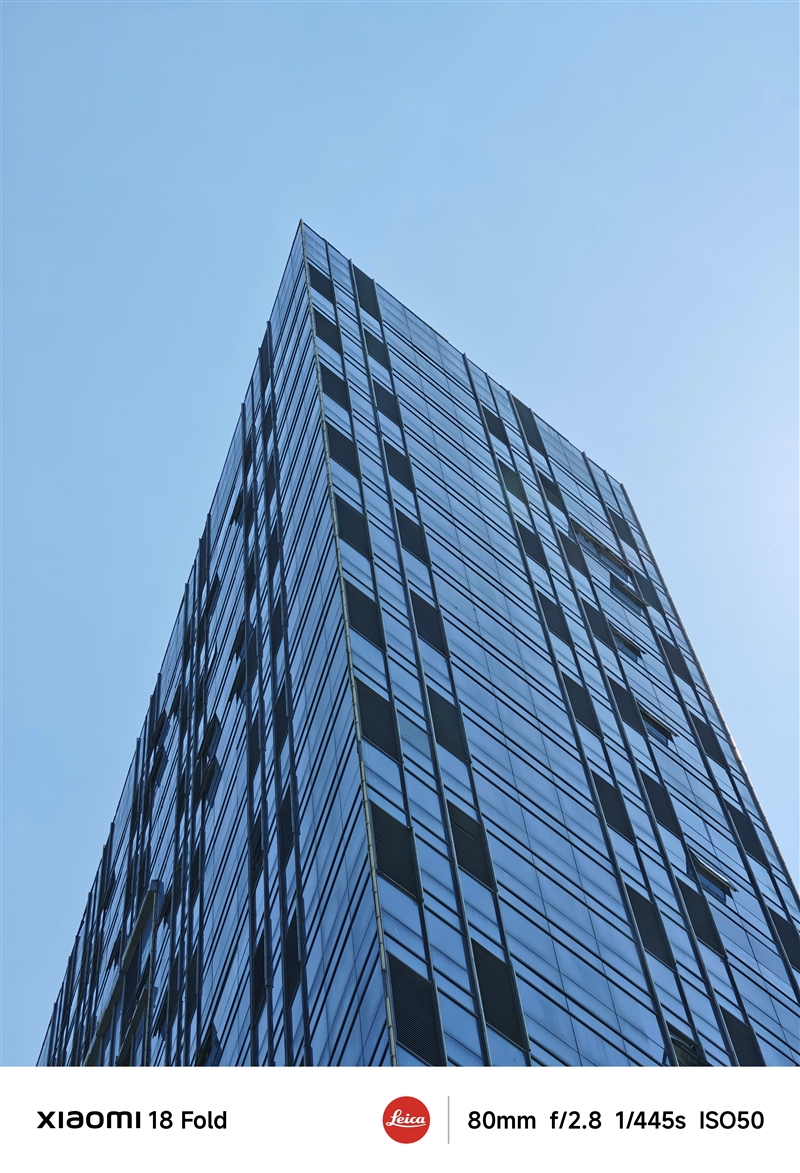
The Xiaomi 18 Fold’s telephoto camera uses a 50MP JN5 sensor with an 80mm equivalent focal length and an f/2.8 aperture.
The longer focal length makes the telephoto lens useful for portraits and distant subjects while offering a different perspective from the primary camera.
Ultra-Wide Camera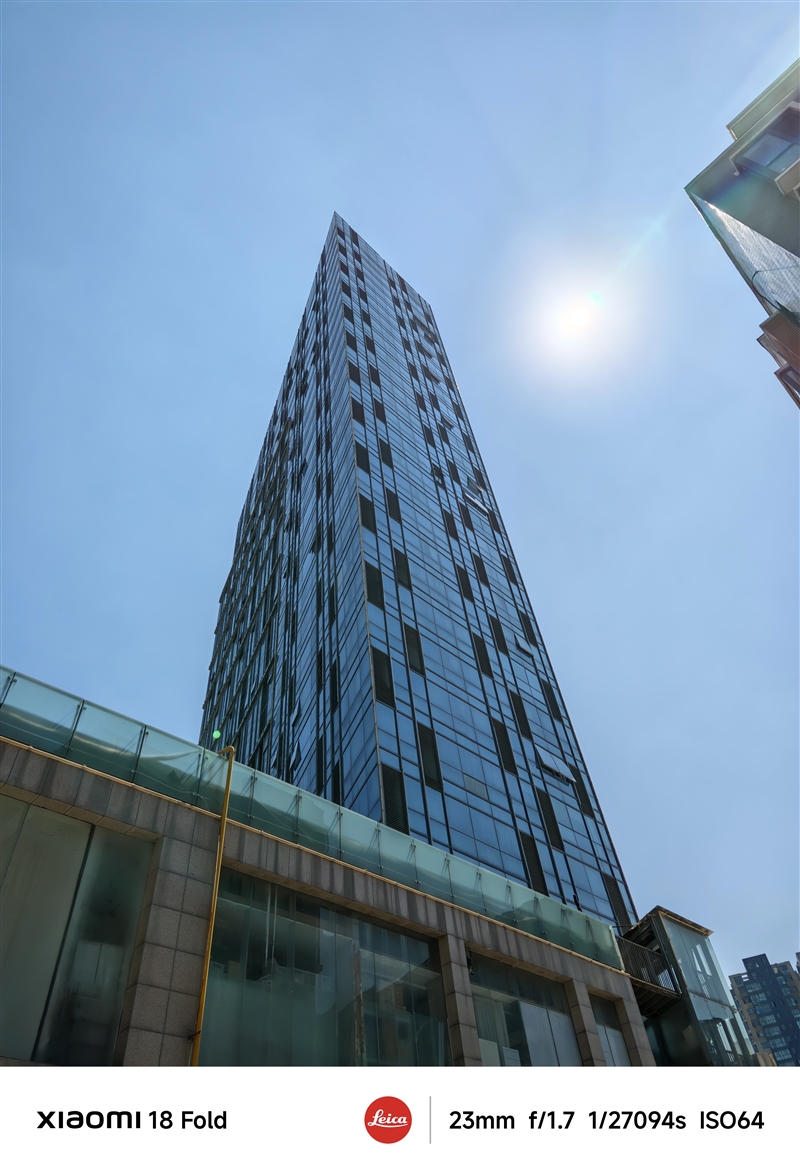
For wider compositions, the phone uses a 50MP OV50M sensor. Its 17mm equivalent focal length and 107-degree field of view allow users to fit more scenery, buildings, and groups of people into a single frame.
Xiaomi 18 Fold Camera Specifications
The three-camera system provides coverage across several common shooting situations:
- Main camera: 200MP Samsung HP5, 1/1.56-inch sensor, f/1.7, 23mm equivalent
- Telephoto camera: 50MP JN5, f/2.8, 80mm equivalent
- Ultra-wide camera: 50MP OV50M, 17mm equivalent, 107-degree field of view

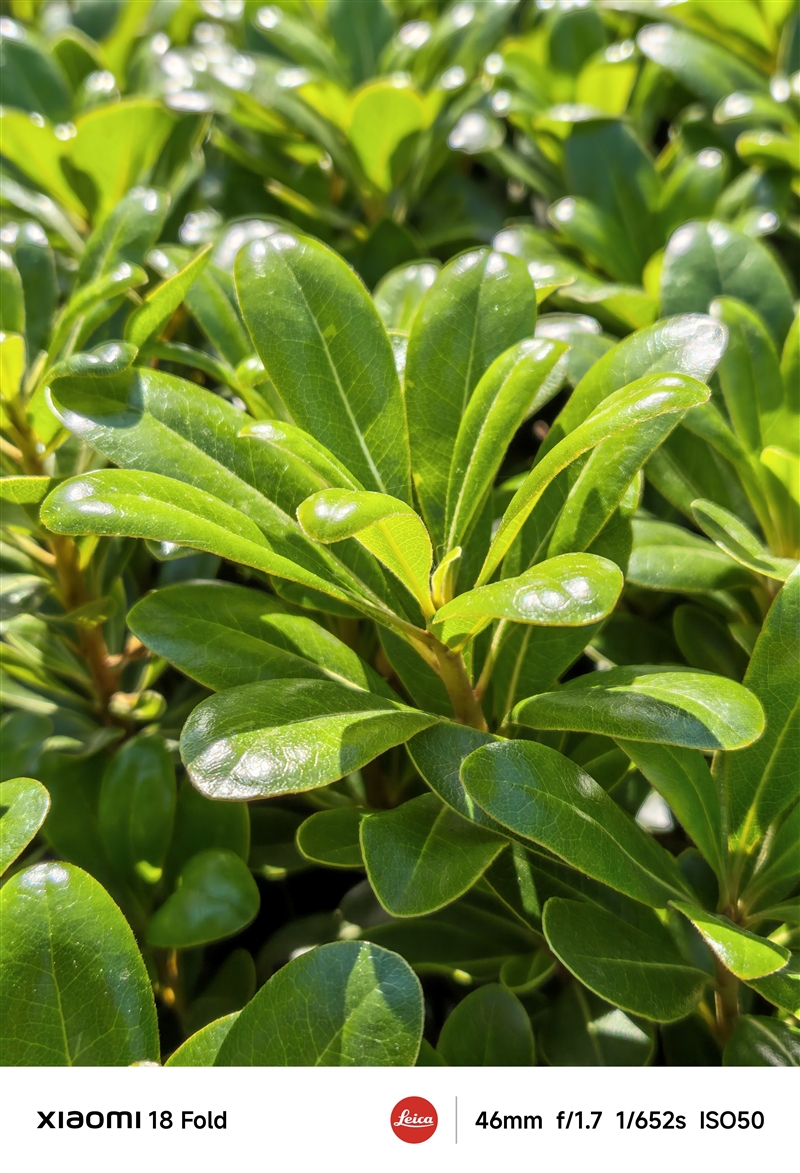
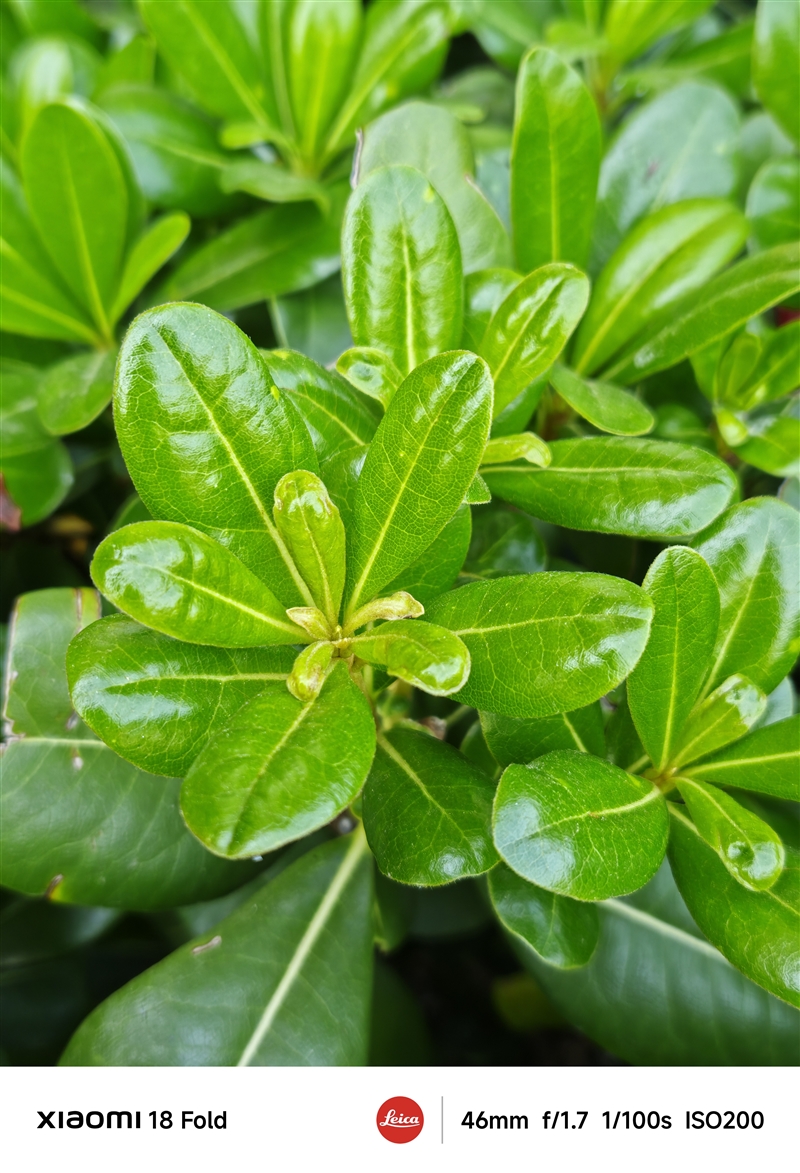
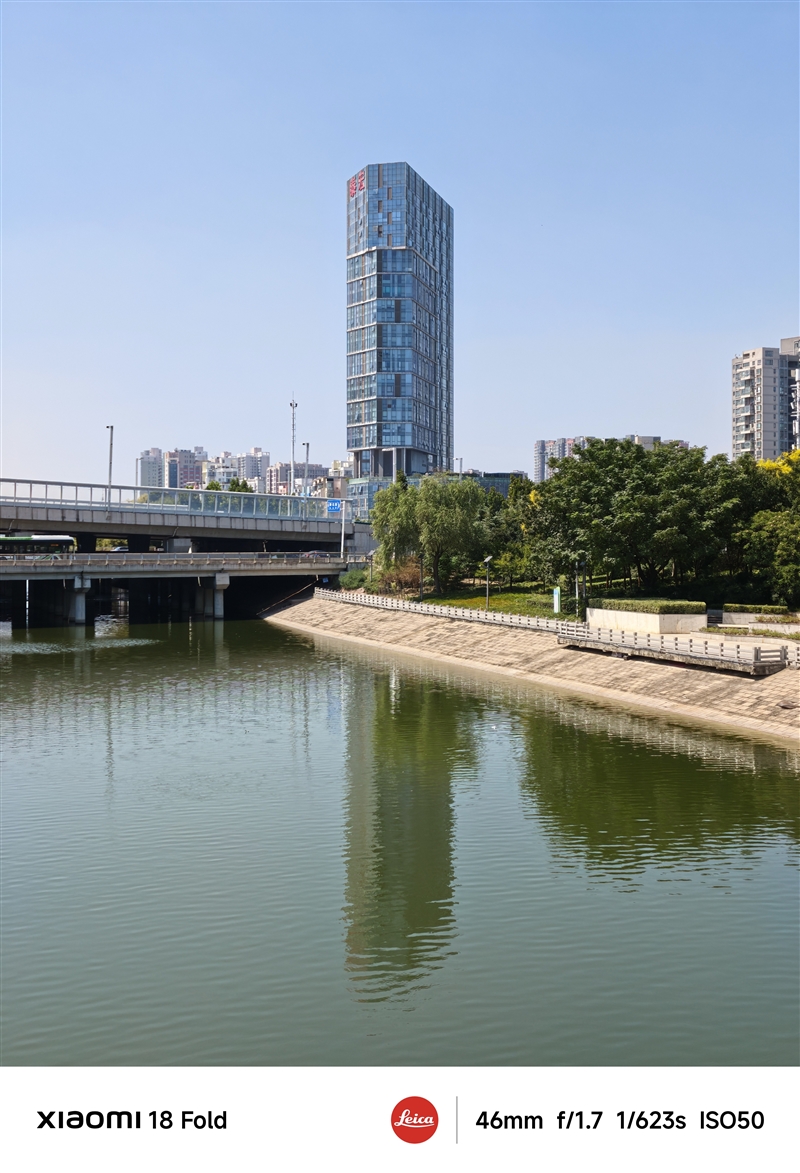
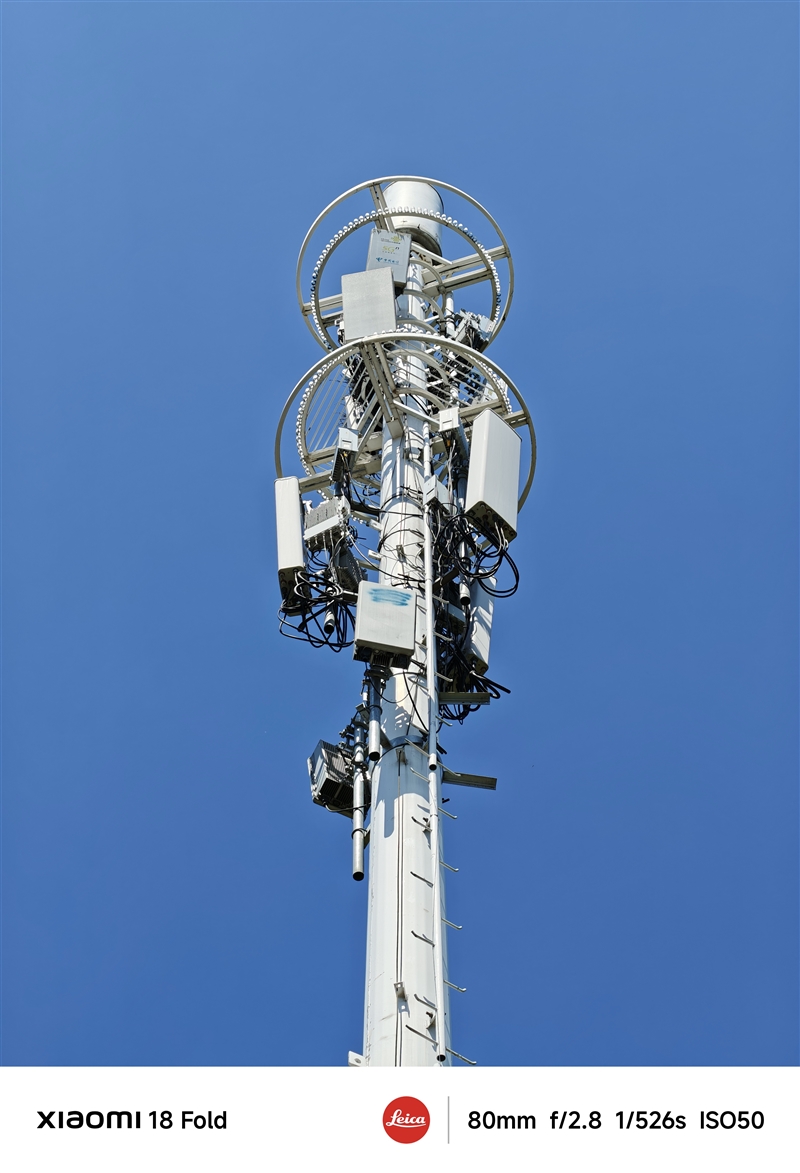
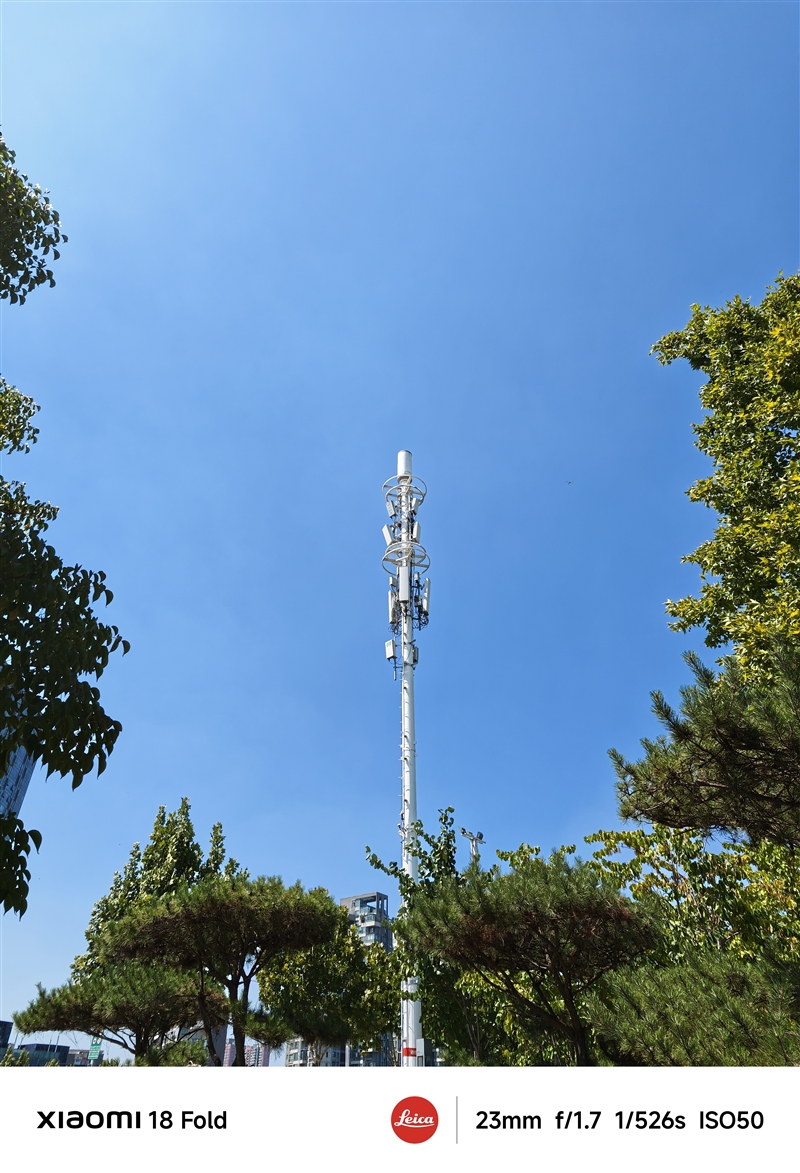
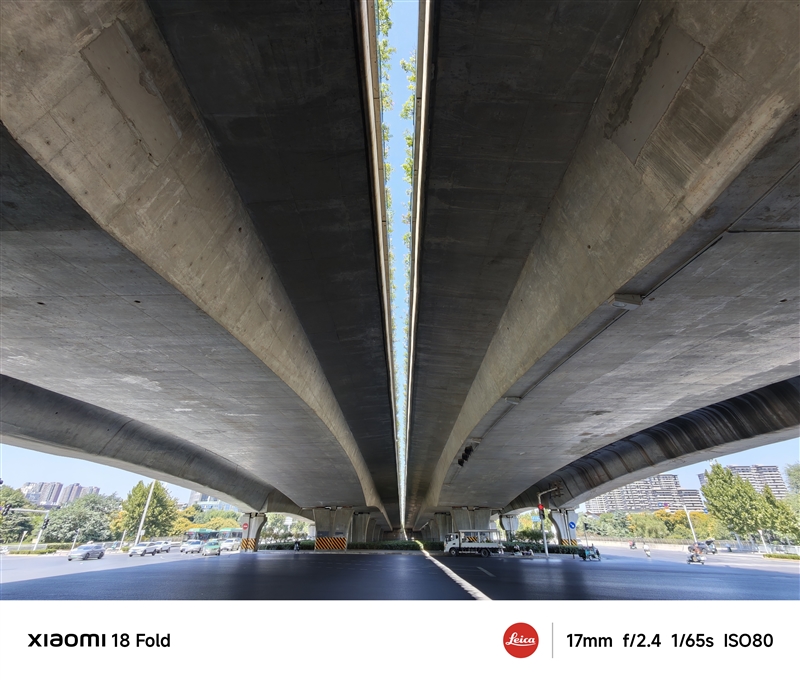
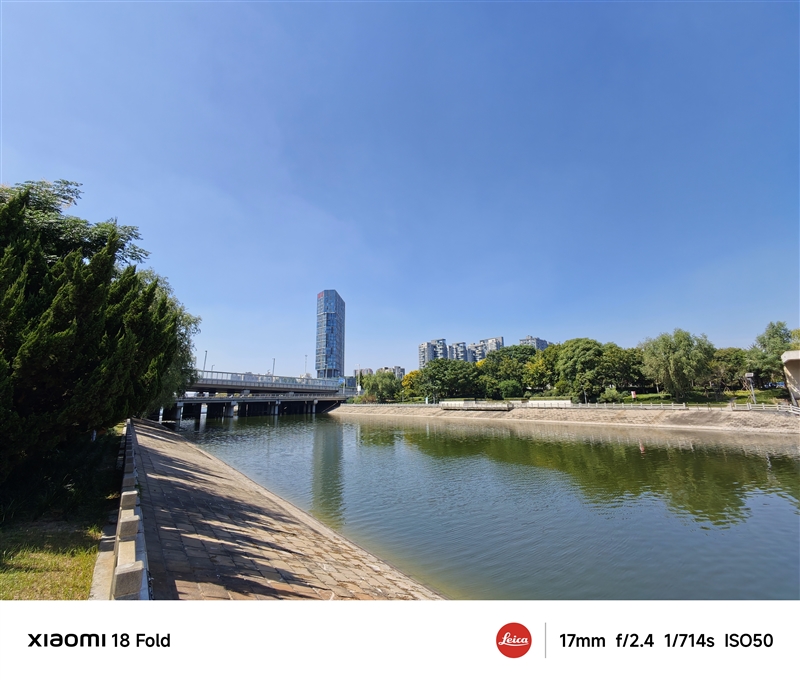
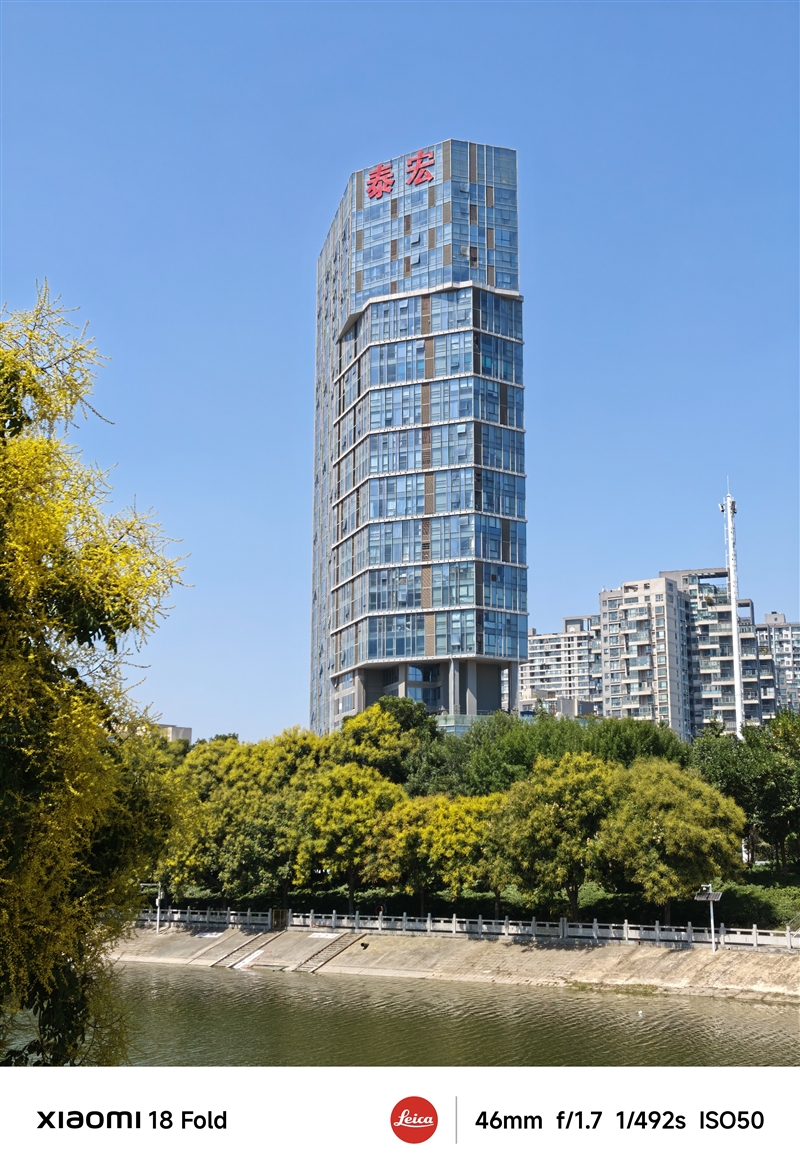
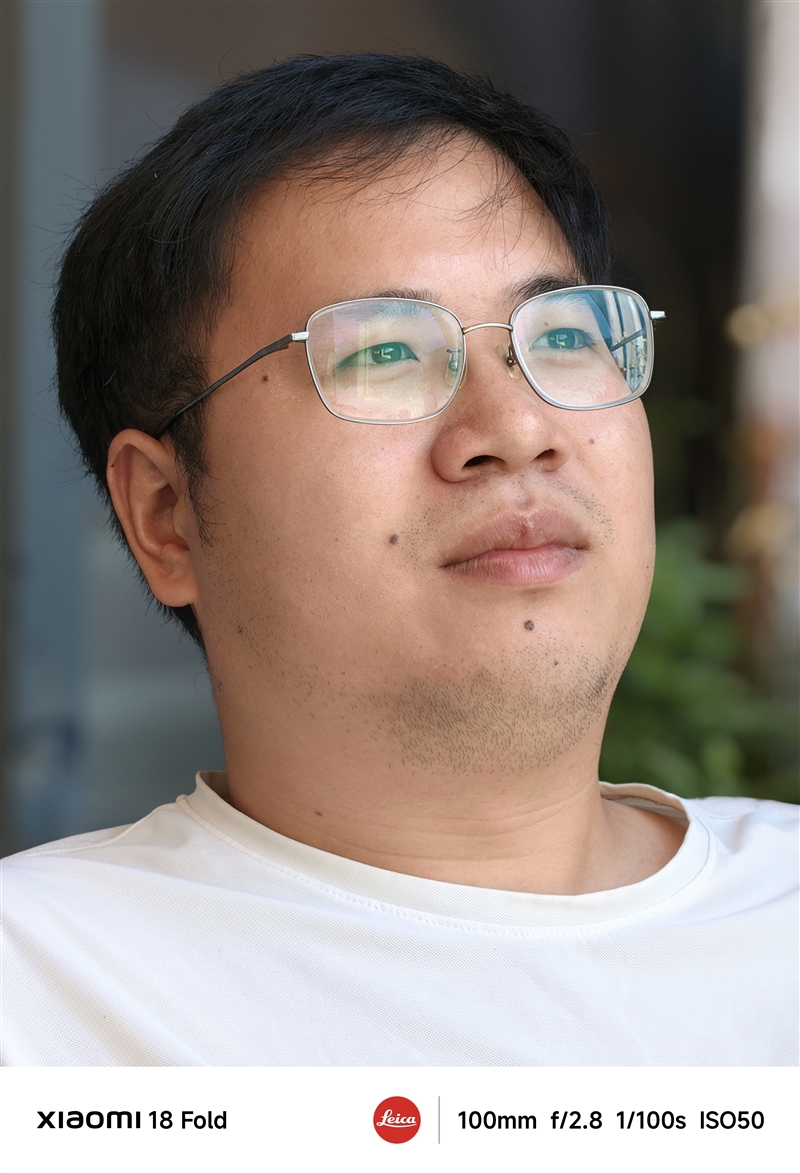
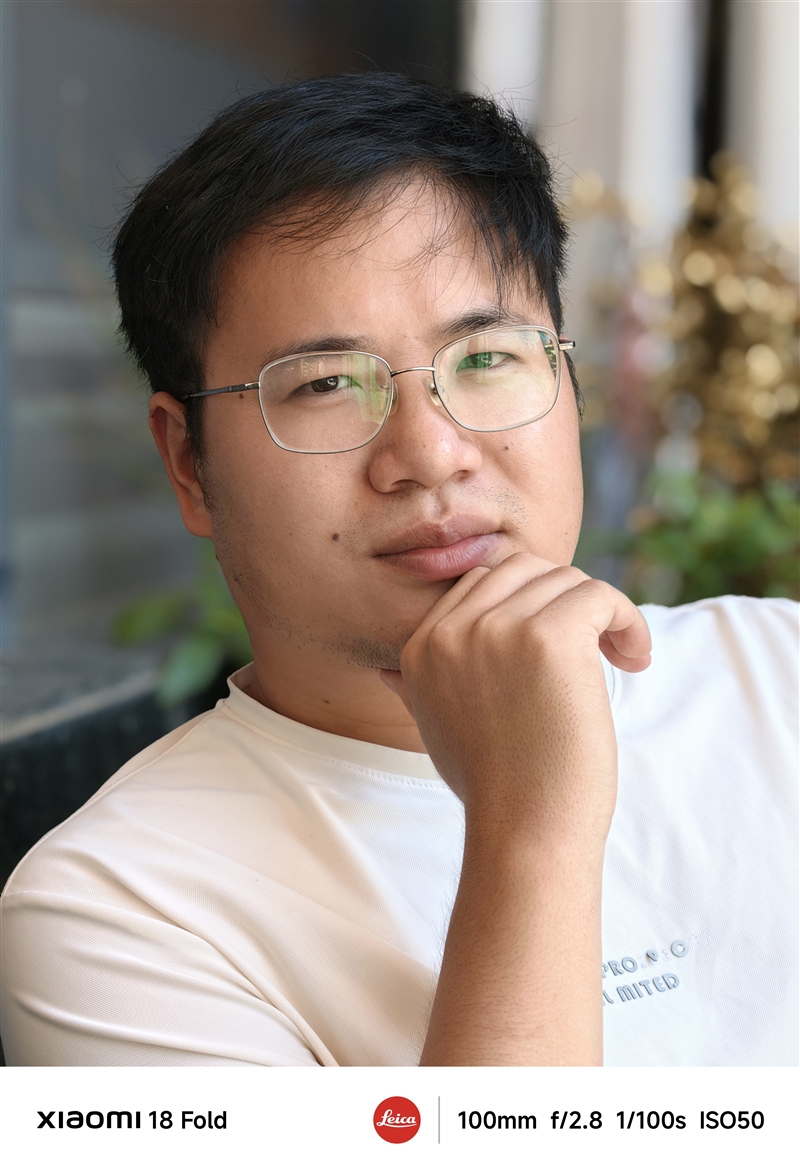
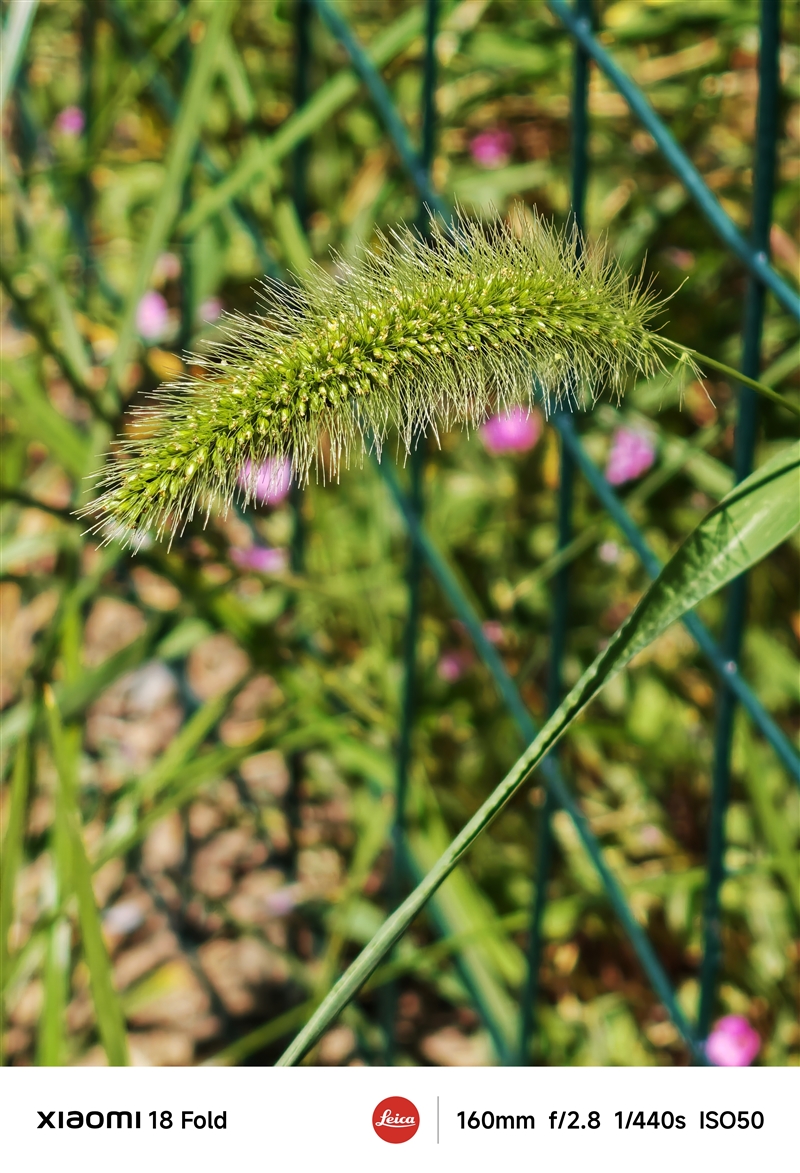
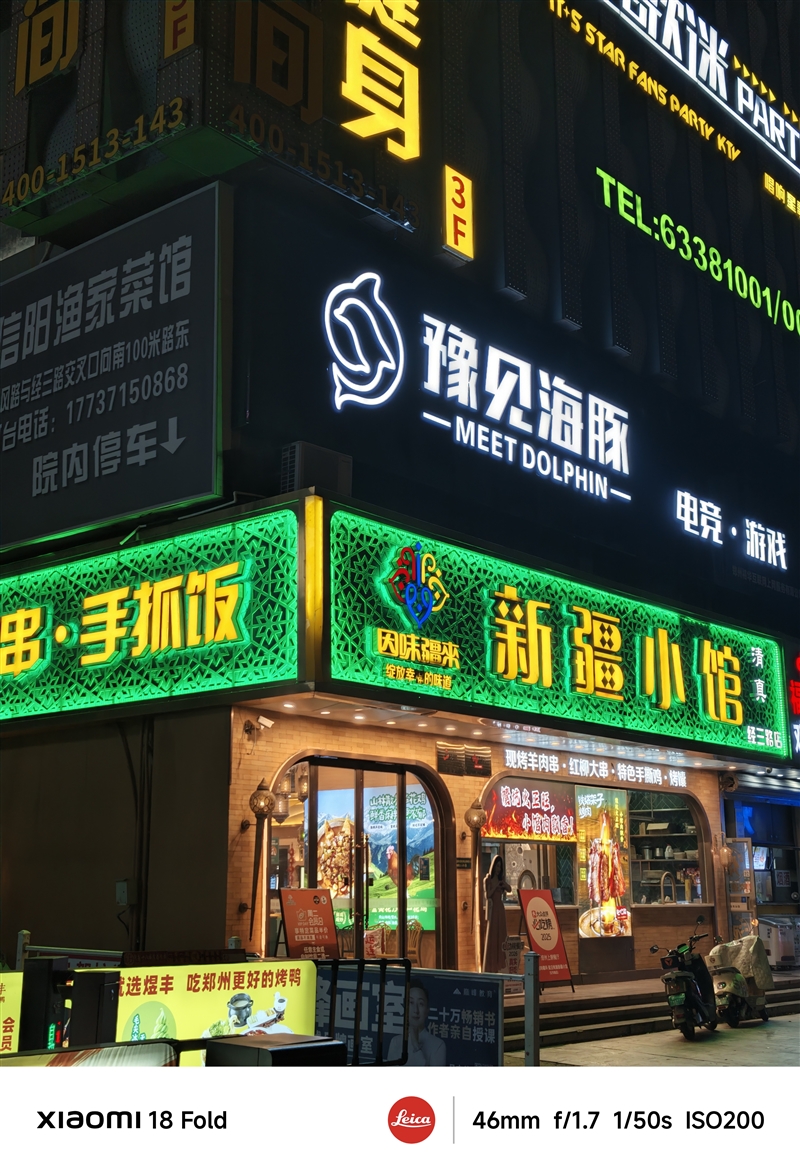
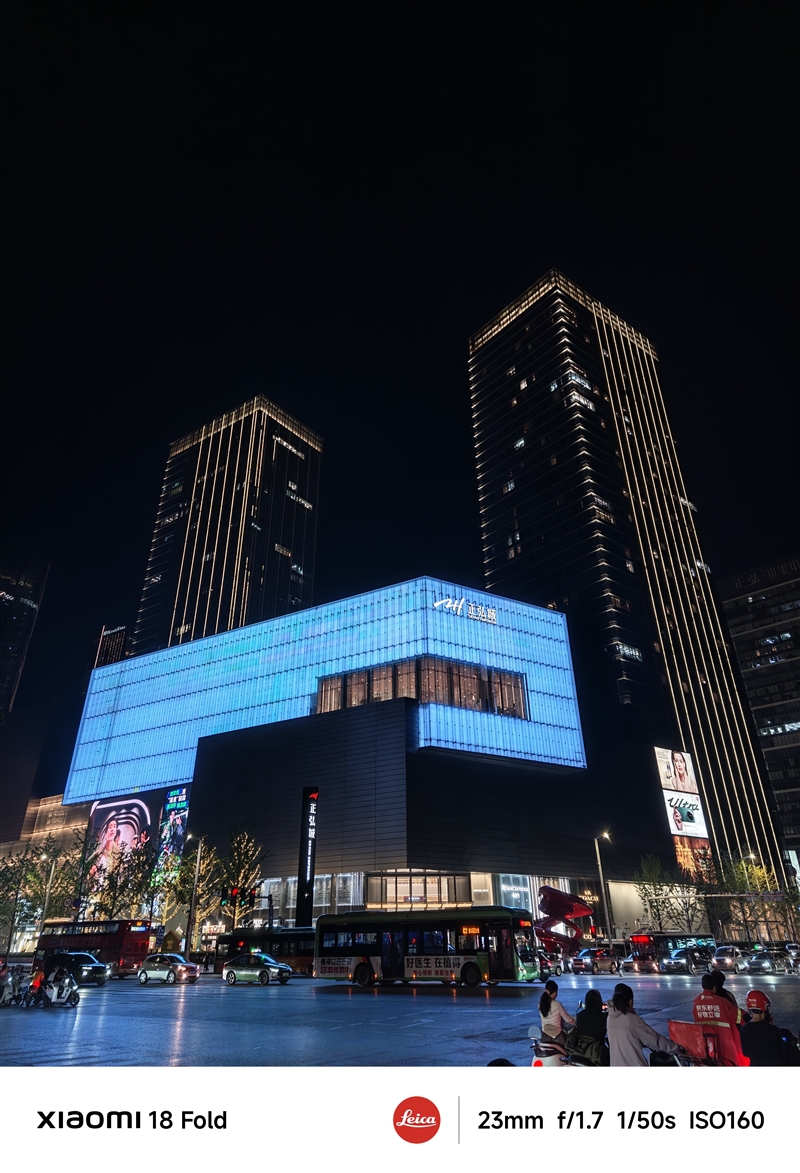
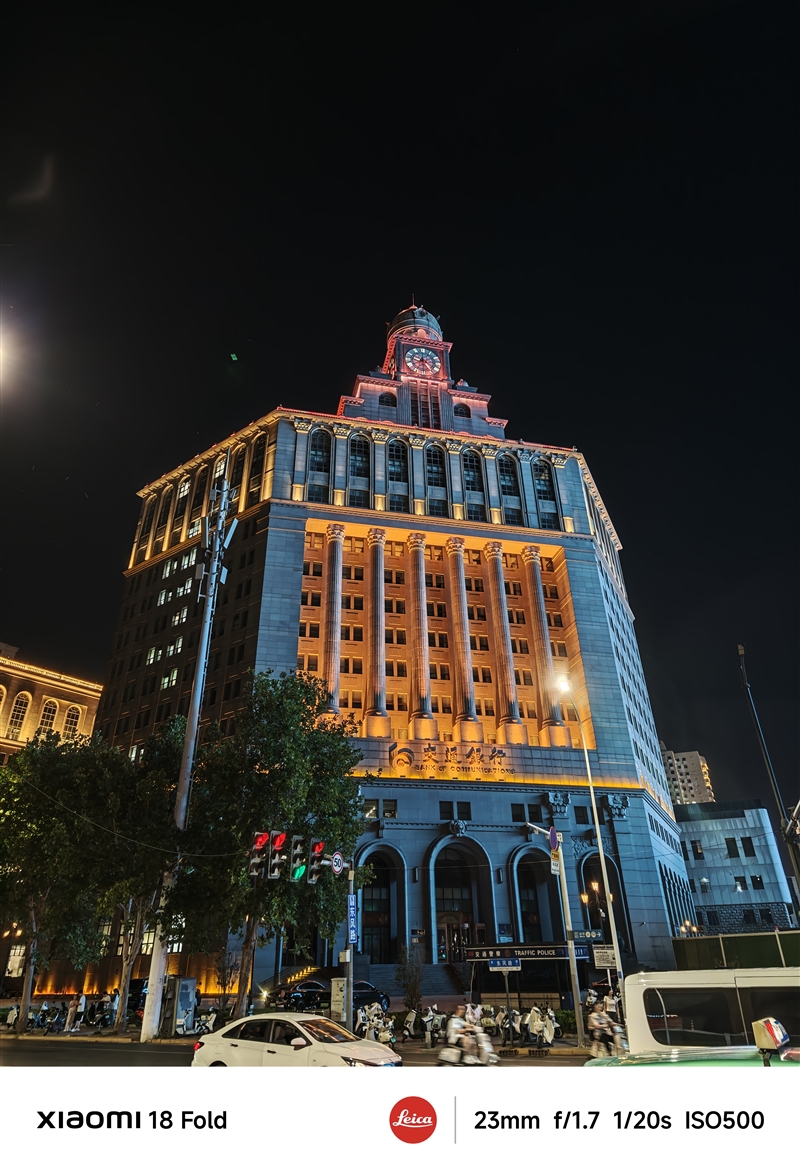
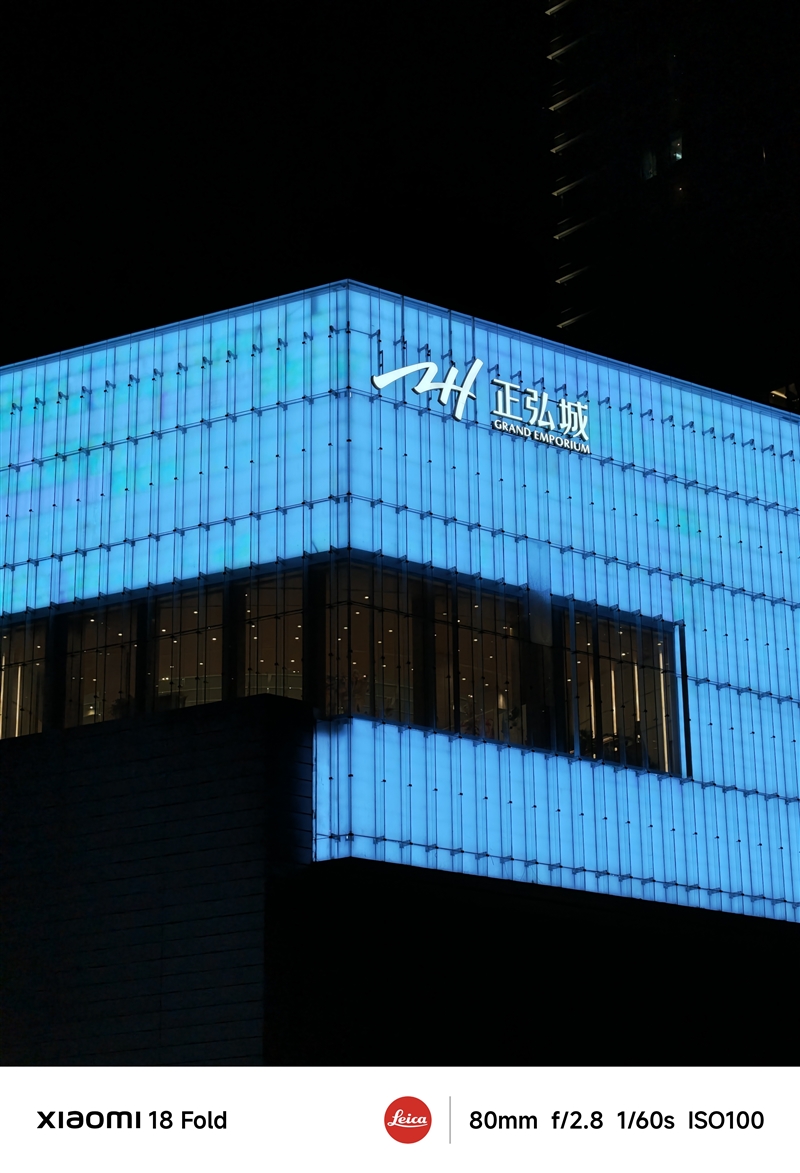
We also captured a series of sample images with the Xiaomi 18 Fold to give readers a better idea of its real-world imaging performance.
Network Connectivity
The Xiaomi 18 Fold uses a new-generation foldable antenna system designed to maintain a stable connection whether the phone is folded or unfolded. Its advanced antenna architecture works with a dedicated signal enhancement chip and intelligent algorithms to optimize connectivity according to the user’s grip and the phone’s position.
This design is particularly useful in challenging environments such as high-speed trains, crowded venues, and concerts, where network congestion and interference can affect signal quality. The Xiaomi 18 Fold delivers strong connectivity in both folded and unfolded modes.
The phone also supports UWB (Ultra-Wideband) technology, enabling it to work with compatible digital car keys across the Xiaomi ecosystem, including Xiaomi Auto and Xiaomi Smart Lock. Support also extends to selected vehicles and smart devices from brands such as BMW MINI, FAW Audi, Lexus, and XPeng.
Wi-Fi Speed Test
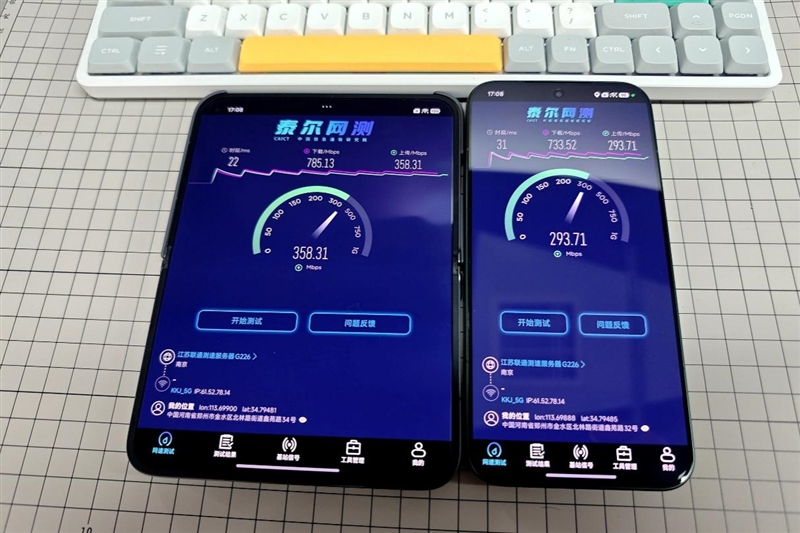
To evaluate wireless performance, we compared the Xiaomi 18 Fold with the Xiaomi 17 Ultra on the same Wi-Fi network in an office environment.
The Xiaomi 18 Fold supports Wi-Fi 7, although the router used during testing supported only Wi-Fi 6. Therefore, these results reflect the performance of the specific office network rather than the phone’s maximum Wi-Fi 7 capability.
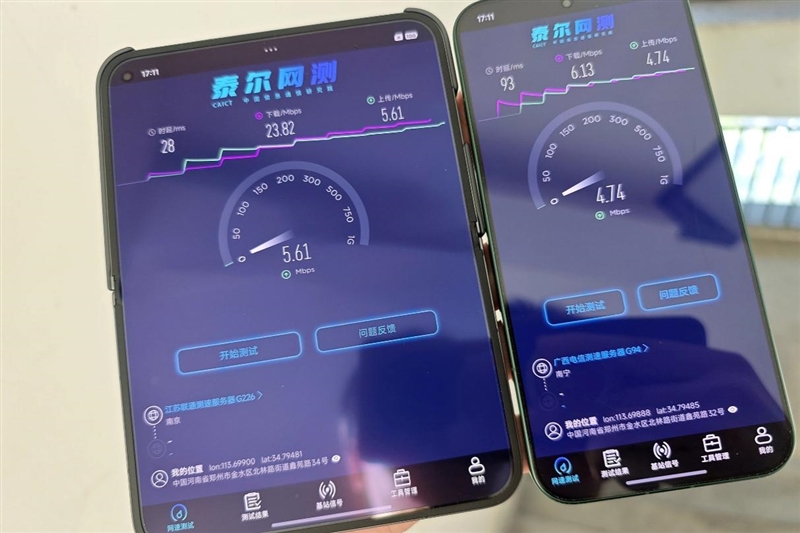
During the test, the phone was positioned approximately 5 meters from the router, with several workstations between the devices. The Xiaomi 18 Fold recorded download speeds of 785Mbps and upload speeds of 358Mbps. Both figures were higher than those measured on the Xiaomi 17 Ultra under the same conditions.
We then moved both phones into a hallway and tested them near the point where the Wi-Fi connection would become unstable. Even in this weaker-signal area, the Xiaomi 18 Fold maintained higher speeds than the Xiaomi 17 Ultra.
These results suggest that the Xiaomi 18 Fold’s larger chassis and antenna layout can contribute to strong wireless performance, particularly when the signal becomes weaker.
5G Signal Strength Comparison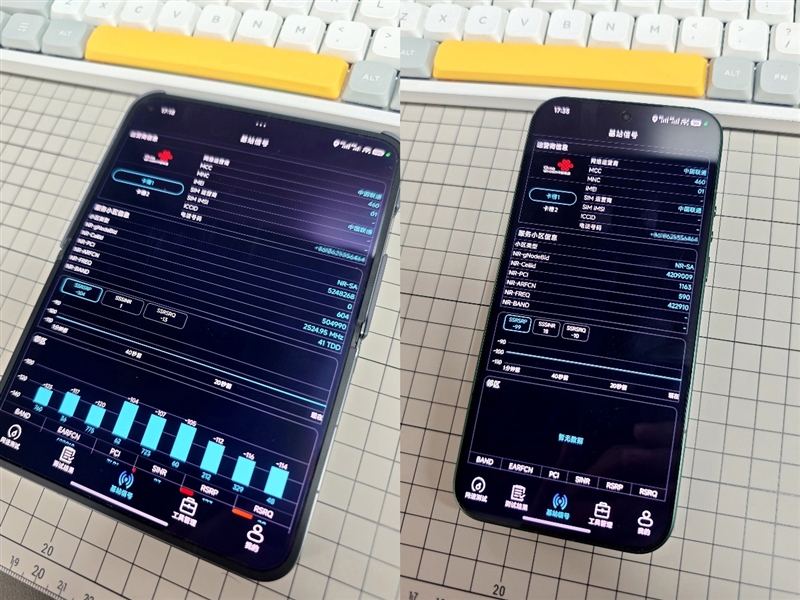
We also tested 5G performance by using the same SIM card in the Xiaomi 18 Fold and Xiaomi 17 Ultra and measuring signal strength from the same location.
In the office, the Xiaomi 18 Fold recorded -104dBm, compared with -99dBm on the Xiaomi 17 Ultra. Although the Xiaomi 17 Ultra showed a slightly stronger signal in this location, the difference did not have a noticeable impact on call quality.
In an open outdoor area, the results were much closer. The Xiaomi 18 Fold recorded -72dBm, while the Xiaomi 17 Ultra measured -71dBm. Both devices delivered strong and comparable 5G reception.
The underground parking garage presented a more difficult environment because of additional interference and moving vehicles. Here, the Xiaomi 17 Ultra measured -93dBm, while the Xiaomi 18 Fold recorded -92dBm. The results were still very close, with neither phone showing a significant practical disadvantage.
We also planned to test 5G reception inside an elevator. However, signal amplifiers had already been installed in the building, resulting in unusually strong reception. Both phones therefore showed signal levels similar to those recorded outdoors.
Testing with a China Mobile SIM card produced results consistent with the China Unicom tests, indicating that the Xiaomi 18 Fold maintained stable cellular connectivity on both networks during our testing.
Satellite Navigation Test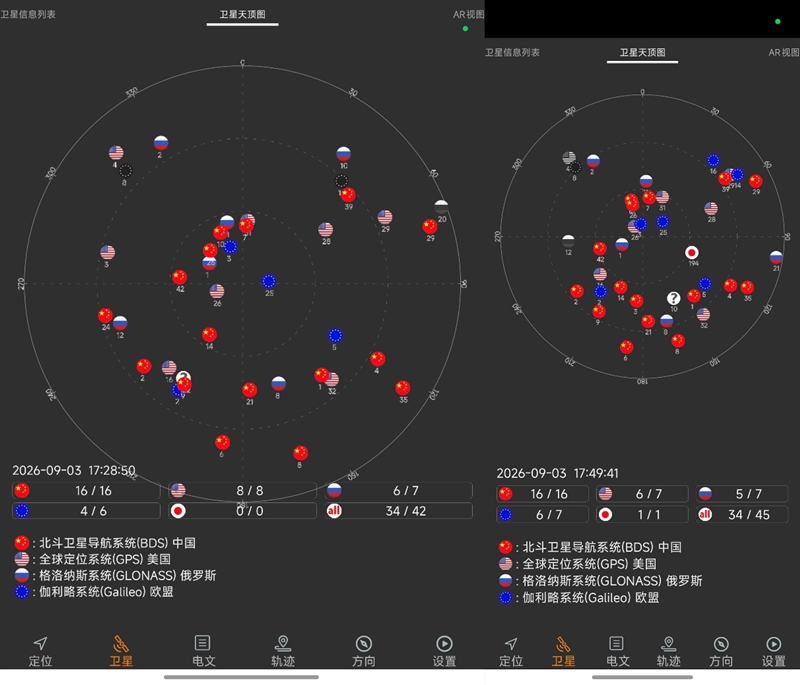
Finally, we tested the satellite positioning performance of both phones outdoors.
The Xiaomi 18 Fold and Xiaomi 17 Ultra were each able to connect to 16 BeiDou satellites visible above the horizon. This demonstrates that both devices can maintain a strong satellite positioning connection in an open outdoor environment.
Overall, the Xiaomi 18 Fold delivers reliable connectivity across Wi-Fi, 5G, and satellite navigation. While its signal performance is not always better than the Xiaomi 17 Ultra in every test environment, the phone consistently performs well in everyday and challenging conditions.
Charging and Battery Life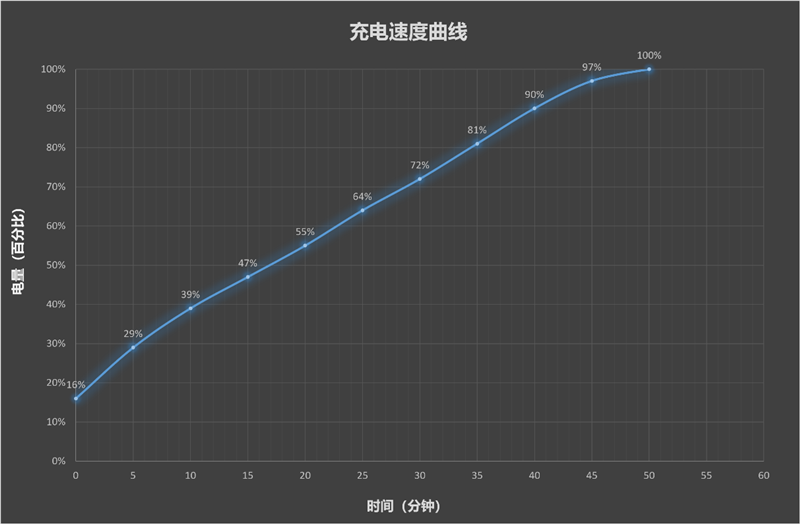
The Xiaomi 18 Fold packs a 6000mAh Jinshajiang battery designed to provide extended battery life despite the phone’s large foldable display. It uses a stacked battery structure with a 20% high-capacity silicon-carbon anode and a 4.55V high-voltage cathode, achieving an energy density of up to 920Wh/L.
Both battery sections use a stacked design instead of the conventional winding process, allowing Xiaomi to fit more capacity into the phone’s slim body. The battery on the motherboard side also features a 3D stepped design, which makes better use of internal space that would normally be occupied by ribbon cables.
For charging, the Xiaomi 18 Fold supports 67W wired fast charging and 50W wireless charging. This combination allows users to quickly recharge the device and spend less time connected to a charger.
Xiaomi 18 Fold Battery Life Test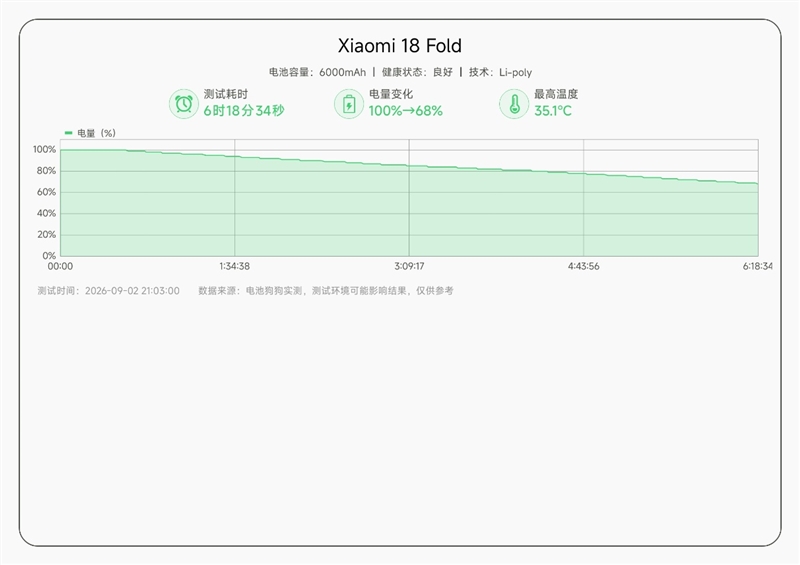
The complete battery endurance test could not be finished, potentially because the current test software had limited support for the new Xiaomi 18 Fold O3 platform. However, the available results still provide a useful indication of its battery performance.
With the inner display fully unfolded, the Xiaomi 18 Fold used approximately 32% of its battery over 6 hours and 18 minutes during testing. Based on this result, a full discharge would take around 19 hours and 30 minutes under similar conditions.
For normal everyday use, this level of endurance should be sufficient for most users and could potentially support up to two days between charges, depending on usage patterns.
Video Playback Battery Test
A separate video playback test was also conducted using the phone’s large inner display. The brightness was set to around two-thirds while playing Bilibili videos.
During the test, the battery level fell from 96% to 91% between 11:04 and 12:11, representing approximately 5% battery consumption per hour.
Based on that result, the Xiaomi 18 Fold could theoretically deliver around 20 hours of continuous video playback on its large internal screen. Combined with the high-capacity Jinshajiang battery and the device’s power efficiency, the phone appears well suited to extended multimedia use.
Xiaomi 18 Fold 67W Charging Test
We also tested the Xiaomi 18 Fold using its original 67W wired charger. The phone started at 16% battery and reached:
- 29% in 5 minutes
- 47% in 15 minutes
- 72% in 30 minutes
- 97% in 45 minutes
The results show that the Xiaomi 18 Fold can recover a large portion of its battery capacity in a relatively short period, making the 67W charging system practical for users who need a quick top-up during the day.
Conclusion
The Xiaomi 18 Fold represents a major step forward for Xiaomi’s foldable phone lineup. Its new foldable form factor, Xring O3 flagship SoC, and Changxin LPDDR6 memory highlight Xiaomi’s growing ability to develop key smartphone technologies in-house.
The Xring O3 delivers impressive performance without sacrificing energy efficiency. Xiaomi previously revealed that the processor surpassed 5 million points on AnTuTu, raising expectations for flagship-level performance. In real-world testing, however, the O3 proved that high benchmark scores are not its only strength. It also maintains good thermal control and efficient power consumption during demanding tasks.
Gaming performance is another strong point. Although the Xiaomi 18 Fold is not specifically marketed as a gaming phone, it handled several popular titles at their highest graphics settings with impressive stability. Extended gaming sessions can normally cause overheating, frame drops, or performance throttling on powerful smartphones, but the Xiaomi 18 Fold remained smooth during testing.
The Xring O3’s efficiency was particularly noticeable under sustained workloads. During extended gameplay, the phone showed no obvious signs of thermal throttling, while thermal imaging recorded a surface temperature below 40°C. In practical use, the device only became slightly warm to the touch.
Another important upgrade is LPDDR6 memory. The Xiaomi 18 Fold is the first smartphone to use LPDDR6 memory alongside the Xring O3 platform, although this combination is currently limited to the top 16GB + 1TB configuration. AnTuTu testing showed that LPDDR6 can outperform LPDDR5X by up to 37.6%, offering a meaningful improvement in memory performance.
The Xiaomi 18 Fold also introduces a new direction for Xiaomi’s foldable product design. Its mid-sized folding format sits between traditional large foldables and compact flip phones, combining a larger viewing area with a relatively portable design.
Its 2:1 screen ratio is particularly practical for reading documents and viewing PDF files. The wider display also provides a comfortable experience for watching videos, browsing photos, and handling everyday tasks. This format reflects a broader industry trend toward foldable designs that balance screen size and portability.
Despite its large battery and advanced hardware, the Xiaomi 18 Fold remains remarkably slim. The device measures just 5.02mm when unfolded and weighs around 219g, while housing a 6000mAh Jinshajiang battery. This gives it a strong advantage for users who want long battery life without carrying a bulky foldable phone.
Battery efficiency is further supported by the Xring O3 platform. In testing, one hour of large-screen video playback consumed only around 5% of the battery, suggesting that the Xiaomi 18 Fold can comfortably support extended daily use and potentially reach two days of moderate usage on a single charge.
Overall, the Xiaomi 18 Fold is more than another entry in the foldable smartphone market. By combining the Xring O3 SoC with Changxin LPDDR6 memory, Xiaomi demonstrates its progress in developing core smartphone components and improving both performance and efficiency.
For users interested in foldable phones, the Xiaomi 18 Fold offers a compelling combination of performance, battery life, portability, and innovative screen design. The special pink ceramic edition also adds a more distinctive finish for buyers who place a strong emphasis on appearance.