









Xiaomi’s next-generation operating system, HyperOS 4, is beginning to take shape as new leaks reveal a series of AI-powered features designed to deliver a more immersive and intelligent user experience. According to information shared on July 27 by well-known Chinese tipster Digital Chat Station, the upcoming software update is expected to introduce several major innovations, including real-time light field rendering, active AI perception, and a redesigned AI assistant interface.
Although Xiaomi has not officially announced these features, the latest details provide an early glimpse into what could become one of the company’s most significant software upgrades to date.
HyperOS 4 to Introduce Real-Time Light Field Rendering
One of the most notable features mentioned in the leak is real-time light field rendering. While technical details remain limited, the technology is expected to enhance visual effects by creating more realistic lighting, depth, and dynamic animations throughout the user interface.
This could result in smoother transitions, richer system animations, and a more immersive visual experience across Xiaomi smartphones, tablets, and foldable devices.
AI Perception Designed for Low Power Consumption
Another key highlight is the addition of active AI perception, which appears to allow the operating system to better understand user context and provide proactive assistance.
When asked whether continuous AI perception would significantly increase battery consumption, the tipster responded that power efficiency would not be a concern. According to the leak, HyperOS 4 leverages collaborative processing through the device’s Neural Processing Unit (NPU), enabling AI tasks to run with minimal impact on battery life.
This suggests Xiaomi is placing greater emphasis on on-device AI processing, reducing reliance on cloud computing while improving privacy, responsiveness, and energy efficiency.
Floating AI Assistant Similar to Apple’s Dynamic Island Experience
The leak also hints at a redesigned AI voice assistant interface.
When questioned whether Xiaomi’s AI assistant would “go to the island,” the tipster explained that the system would feature an AI Assistant Floating Island, describing it as conceptually similar to Apple’s interactive Siri experience integrated with the Dynamic Island.
Rather than simply responding to voice commands, the floating interface could provide contextual information, live updates, and interactive AI assistance directly within the system UI, making AI interactions more seamless and accessible during everyday use.
Foldable Flagship Expected to Debut with HyperOS 4
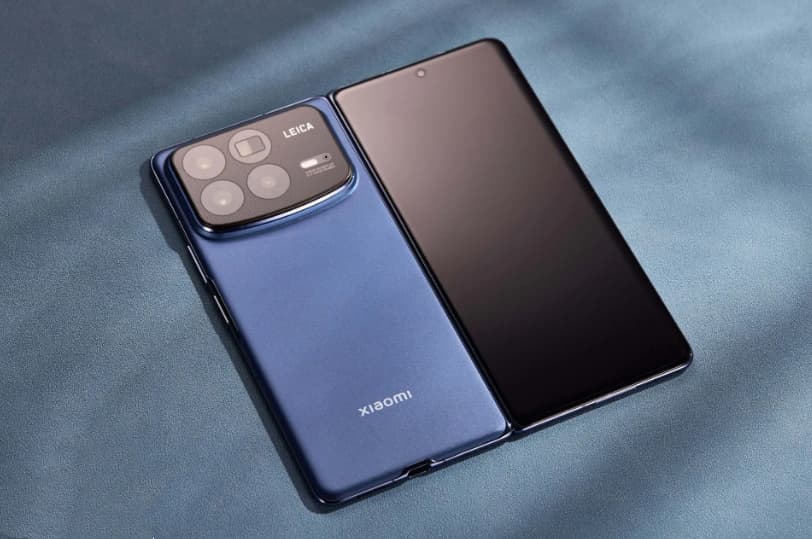
Previous reports indicate that Xiaomi’s upcoming foldable flagship smartphone is expected to be the first device to launch with HyperOS 4 pre-installed.
According to earlier industry sources, Xiaomi has deeply integrated AI capabilities into many of its core system applications, positioning HyperOS 4 as the company’s most AI-focused software platform to date.
The foldable flagship is also rumored to become Xiaomi’s most premium Leica-branded smartphone, combining advanced imaging technology with enhanced AI experiences. Internal sources reportedly describe the device as Xiaomi’s “best AI interaction platform,” highlighting the company’s ambition to integrate artificial intelligence across photography, productivity, and everyday system functions.
A Stronger AI Strategy for Xiaomi
The reported HyperOS 4 features align with the broader industry trend toward on-device AI experiences. Rather than limiting AI to standalone assistants or cloud services, manufacturers are increasingly embedding intelligent capabilities throughout the operating system itself.
If these leaks prove accurate, HyperOS 4 could deliver:
- Real-time light field rendering for richer visual effects
- Context-aware AI perception with minimal battery impact
- NPU-accelerated on-device AI processing
- A new Floating AI Assistant interface
- AI-enhanced system applications
- Deep integration with Xiaomi’s next-generation foldable flagship
Final Thoughts
While Xiaomi has yet to officially unveil HyperOS 4, the latest leaks suggest the company is preparing a substantial leap forward in AI-powered mobile experiences. With advanced rendering technologies, energy-efficient on-device AI, and a more interactive assistant interface, HyperOS 4 could become one of Xiaomi’s most significant software releases in recent years.
As with all pre-release information, these details should be treated as rumors until Xiaomi makes an official announcement. However, if the reported features arrive as expected, HyperOS 4 may play a key role in strengthening Xiaomi’s position in the rapidly evolving AI smartphone market.