









Recently, a digital blogger posted screenshots of the system interface and core configuration information of the rumored new folding flagship of Xiaomi, namely MIX Fold 5, on social media. Many significant upgrades were disclosed for the first time. It is reported that Xiaomi MIX Fold 5 will be the company’s first mass-produced model with a large folding form factor. At the same time, it will be the first to globally debut the new self-developed Xianji O3 chip, completely abandoning the Qualcomm Snapdragon flagship chips used in previous MIX Fold series. It is equipped with a 200-megapixel Leica imaging system and will comprehensively challenge the high-end folding screen market, competing with Apple’s iPhone Ultra and Samsung’s Galaxy Z Fold 8 top-tier folding flagship.
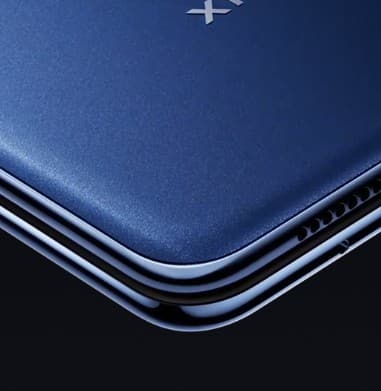
Based on the exposed interface information, Xiaomi MIX Fold 5 has abandoned the traditional body ratio of the previous generation of foldable screens and adopted a brand-new wide-fold design. The overall opening ratio and body structure form of the new device have been re-adjusted. The product positioning directly targets the top foldable flagship models of Apple and Samsung. In terms of body vision, grip feel and screen interaction experience, it has achieved a new breakthrough in the Xiaomi foldable screen product line. It is also the first wide-fold form foldable phone that Xiaomi has officially launched for mass production.
The most remarkable feature of this new model is the revolutionary upgrade of the core computing power platform. Previously, all the successive iterations of the Xiaomi MIX Fold series were equipped with Qualcomm Snapdragon flagship chips as the core performance support. However, the Xiaomi MIX Fold 5 has undergone a historic transformation. It is the first in the industry to debut the self-developed Xuanji O3 chip. Additionally, this device is also the first global foldable flagship model to implement the new self-developed chips of the Xianji series, marking that the Xiaomi foldable model has officially entered the era of self-developed chips.

As a significant achievement of Xiaomi’s self-developed chip iterations, Xuanji series of chips have already demonstrated the top-notch R&D capabilities of domestic chips. In May 2025, Xiaomi officially launched the first-generation Xuanji O1 chip at its 15th anniversary strategic new product launch event. This chip was first adopted by Xiaomi 15S Pro. It uses the second-generation 3nm advanced process technology, integrates 190 billion transistors, and has a chip area of only 109mm². The laboratory comprehensive benchmark score exceeded 3 million, ranking among the top flagship chips in the industry.
Thanks to the successful mass production of Xuanji O1, Xiaomi became the first in China and the fourth in the world to independently complete the research and design of 3nm mobile phone chips. This not only confirmed its solid technical accumulation in the top-level chip field over the years, but also filled the domestic market gap for high-performance 3nm mobile processors, breaking the long-term monopoly of overseas flagship chips in high-end Android devices.
After a deep technical iteration lasting over a year, Xiaomi has developed a completely upgraded Xuanji O3 chip. Compared to the original O1 chip, it has seen significant improvements in performance, energy efficiency, and compatibility optimization. This time, Xiaomi has deployed the latest generation of its self-developed flagship chip in the high-end foldable product line. It has conducted dedicated adjustments for scenarios such as screen interaction, multi-task handling, and large-screen compatibility of the large-screen models, fully leveraging the advantages of the self-developed chip’s software and hardware collaboration.
In terms of imaging, the leaked information also shows that the rear camera of Xiaomi MIX Fold 5 is equipped with a 200-megapixel Leica imaging system. It continues the high-end imaging characteristics jointly developed by Xiaomi and Leica, combined with the powerful imaging computing power of the self-developed chip, it is expected to significantly improve the photo shooting, night shooting and video recording performance of foldable screen devices, and solve the industry pain points of insufficient imaging computing power and weak imaging quality of traditional foldable screens.
Industry insiders analyze that Xiaomi MIX Fold 5 integrates a brand-new expansive folding design, its own self-developed O3 flagship chip, and high-end Leica imaging technology. It is a powerful masterpiece that Xiaomi is using to enter the high-end foldable screen market. The full implementation of self-developed chips has completely rid itself of reliance on external flagship chips. The in-depth optimization of software and hardware integration will significantly enhance the overall user experience of the new model, and is expected to redefine the benchmark for domestic high-end foldable flagship phones and elevate the overall industry standard of foldable screen mobile phones.