










For adult smokers seeking alternatives to combustible cigarettes, the landscape of nicotine products has expanded significantly. Two prominent options are nicotine pouches and e-cigarettes (vapes). Both deliver nicotine without tobacco combustion – the primary source of smoking’s devastating health harms – but they work very differently. The question of which is “healthier” is complex and depends on context, goals, and individual health factors.
Understanding the Contenders:
-
Nicotine Pouches:
-
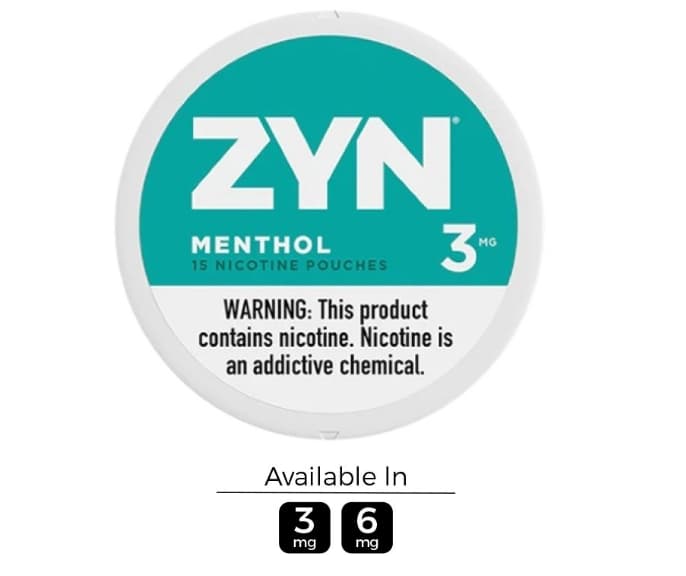
What they are: Small, teabag-like pouches containing nicotine (often synthetic), flavorings, sweeteners, and plant-based fibers (like cellulose). No tobacco leaf.
-
How they work: Placed between the gum and lip. Nicotine is absorbed through the oral mucosa (lining of the mouth).
-
Key Features: Smokeless, spit-free, discreet, no vapor. Available in various strengths and flavors.
-
Delivery: Slower, more sustained nicotine absorption compared to smoking/vaping. Peaks later and lasts longer.
-
-
E-Cigarettes (Vapes):
-
What they are: Battery-powered devices that heat a liquid (“e-liquid” or “vape juice”) to create an aerosol (vapor) that is inhaled.
-
How they work: The user inhales the vapor, delivering nicotine (if present) and other chemicals deep into the lungs for rapid absorption into the bloodstream.
-
Key Features: Mimics the hand-to-mouth ritual and inhalation of smoking. Wide variety of devices and flavors. Produces visible vapor.
-
Delivery: Rapid nicotine delivery, similar to cigarettes, satisfying cravings quickly.
-
Comparing Potential Health Impacts:
The critical fact is that both are significantly less harmful than continuing to smoke traditional cigarettes. Combustion produces thousands of toxic chemicals and tar, causing cancer, heart disease, lung disease, and more. Eliminating combustion is the biggest win for health.
-
Nicotine Pouches:
-
Pros: Eliminate inhalation risks entirely. No lung exposure. No known link to respiratory diseases (like COPD or lung cancer) associated with smoking/vaping inhalation. Minimal second-hand exposure risk. Swedish snus (a similar, tobacco-containing product) has a long-term epidemiological record showing substantially lower risks than smoking.
-
Cons: Potential for local oral effects: gum irritation, recession, mouth sores (varies by individual and product use frequency/strength). Long-term effects of constant oral exposure to nicotine and other pouch ingredients are still being studied. Nicotine itself is addictive and can raise blood pressure/heart rate. Not risk-free, but avoids major smoking-related disease pathways.
-
-
E-Cigarettes:
-
Pros: Avoids the vast majority of toxicants found in cigarette smoke. Public Health England (now UKHSA) famously estimated them as “at least 95% less harmful” than smoking. Satisfies the inhalation ritual for many smokers. Can be effective for smoking cessation.
-
Cons: Inhalation Risk: While vastly safer than smoking, inhaling vapor is not risk-free. The long-term effects of inhaling heated flavorings, humectants (like PG/VG), and other e-liquid constituents over decades are unknown. Potential lung irritation, popcorn lung risk (from diacetyl – largely eliminated now), and EVALI (linked to illicit THC oils, not regulated nicotine vapes). Nicotine dependence remains. Potential gateway for youth.
-
Which Might Be “Healthier”?
Based on current scientific understanding and the principle of avoiding inhalation:
-
For Avoiding Lung Damage: Nicotine pouches likely have an edge. They completely bypass the lungs, eliminating risks associated with inhaling any aerosol, heated chemicals, or flavorings deep into lung tissue.
-
For Overall Harm Reduction Compared to Smoking: Both are vastly superior to continued smoking. Choosing either is a major health improvement.
-
For Specific Health Concerns:
-
Oral Health: Pouches may pose risks to gum health that vaping does not. Vaping avoids direct oral contact but has other inhalation risks.
-
Cardiovascular Risk: Nicotine itself (present in both) is the primary cardiovascular concern, raising heart rate and blood pressure. The relative risk difference between the two delivery methods for heart disease is less clear and requires more research. Avoiding combustion is the key factor here too.
-
Cancer Risk: Both drastically reduce cancer risk compared to smoking. Pouches likely eliminate the significant oral cancer risk associated with tobacco-containing oral products like traditional smokeless tobacco (due to tobacco-specific nitrosamines – TSNAs). Synthetic nicotine pouches have negligible TSNA levels. Vaping avoids the carcinogens created by combustion.
-
Important Considerations Beyond Health:
-
Smoking Cessation Effectiveness: Both can be effective tools, but success depends heavily on the individual. Vapes often better replicate the smoking ritual. Pouches offer discreet, anytime use. Consult a doctor or smoking cessation specialist for the best approach for you.
-
Addiction: Both deliver addictive nicotine. Switching perpetuates nicotine dependence, though without the myriad other harmful chemicals in smoke.
-
Regulation & Safety: Product quality, ingredients, and labeling vary widely, especially in less regulated markets. Choose products from reputable manufacturers adhering to safety standards (where they exist).
-
Youth Appeal: Flavors in both products raise concerns about appealing to non-smokers, particularly youth. Preventing youth initiation is paramount. These products are intended for adult smokers only.
-
Unknowns: Long-term health effects (beyond 10-20 years) for both products, especially modern vapes and synthetic nicotine pouches, are still being studied.
Conclusion: Harm Reduction is Key, But Neither is “Healthy”
Neither nicotine pouches nor e-cigarettes are “healthy” choices in an absolute sense. Nicotine is an addictive substance with physiological effects. The truly healthiest choice is to be nicotine-free.
However, for adult smokers unable or unwilling to quit nicotine entirely:
-
Nicotine Pouches likely present a lower respiratory risk profile by avoiding lung exposure entirely. They are a strong option for those primarily concerned about lung health or needing discreet use.
-
E-Cigarettes offer a familiar ritual and rapid nicotine delivery, making them effective cessation tools for many, with massively reduced risks compared to smoking – though inhalation risks remain.
The Verdict: Based on the avoidance of lung exposure, nicotine pouches currently have a theoretical advantage in long-term respiratory safety. However, both represent a dramatic harm reduction compared to continued smoking. The “healthier” choice is highly individual and depends on personal health history, cessation goals, and risk tolerance.
Crucially:
-
If you don’t use tobacco or nicotine, don’t start.
-
If you smoke, quitting completely is the best option.
-
If you choose to switch, consult your doctor. They can help you understand the relative risks and benefits based on your health profile and recommend evidence-based cessation strategies.
-
Source products from reputable manufacturers adhering to safety standards where possible.
The journey away from combustible tobacco is complex. Both nicotine pouches and e-cigarettes offer less harmful paths, but ongoing research and informed, individual choices are essential.