










Shooting games push smartphones harder than almost any other mobile scenario. Display smoothness, touch response, network stability, cooling, and battery life all become critical during fast-paced matches. Even small weaknesses are easy to notice in competitive gameplay.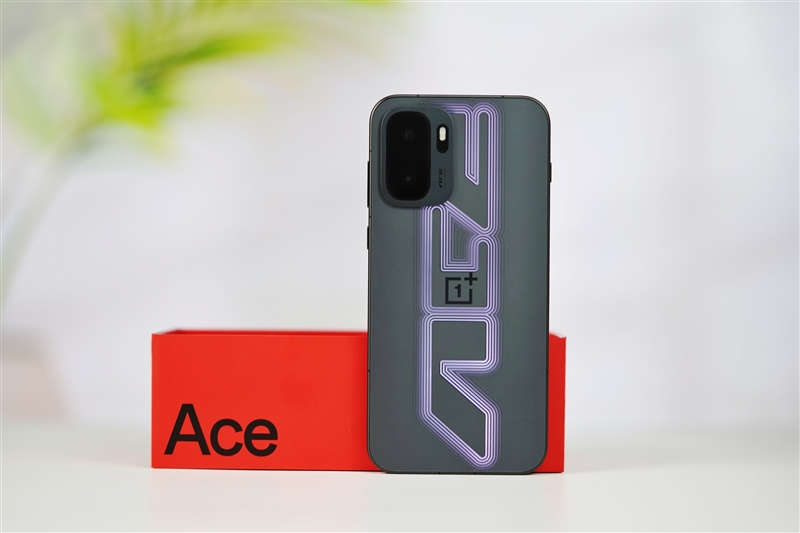
Because of this, shooting games remain one of the best ways to test a phone’s performance tuning and gaming optimization. Brands often use these titles to highlight their technical capabilities.
The OnePlus Ace series has focused on esports gaming since the beginning. Previous models built a strong reputation among mobile gamers thanks to stable performance, efficient cooling, and reliable game optimization, making the series a popular choice for competitive play.
With the new OnePlus Ace 6 Ultra, OnePlus takes a more focused approach instead of trying to deliver a typical all-around flagship experience. The phone is designed specifically around the needs of mobile gamers, especially shooting game players, with upgrades centered on real-world gaming performance.
One of its biggest highlights is the dual-form design. In everyday use, it works like a premium flagship smartphone with a slim body and high-end hardware. When paired with a dedicated gaming controller, it can switch into an esports-focused setup that delivers a handheld console-style gaming experience for longer sessions.
Powering the device is the Dimensity 9500 flagship chipset built on TSMC’s advanced 3nm process, offering strong performance with improved power efficiency.
OnePlus also integrates its self-developed Wind Rider gaming kernel directly into the system architecture. This optimization improves CPU, GPU, memory, and storage scheduling to maintain stable frame rates while reducing overheating and throttling during demanding gameplay.
To further improve gaming stability, the OnePlus Ace 6 Ultra uses a three-chip esports system. The Dimensity 9500 and gaming kernel handle sustained performance, the G2 Pro esports network chip improves connection stability, and the Lingxi touch chip enhances touch response accuracy. Together, they help maintain smooth gameplay, stable networking, and responsive controls during extended gaming sessions.
The phone features a 6.78-inch 1.5K display with a 165Hz refresh rate, higher than the standard 120Hz found on many flagship devices. It also supports 3840Hz high-frequency PWM dimming and eye-protection technology to reduce eye strain during long gaming sessions while keeping animations and controls smooth.
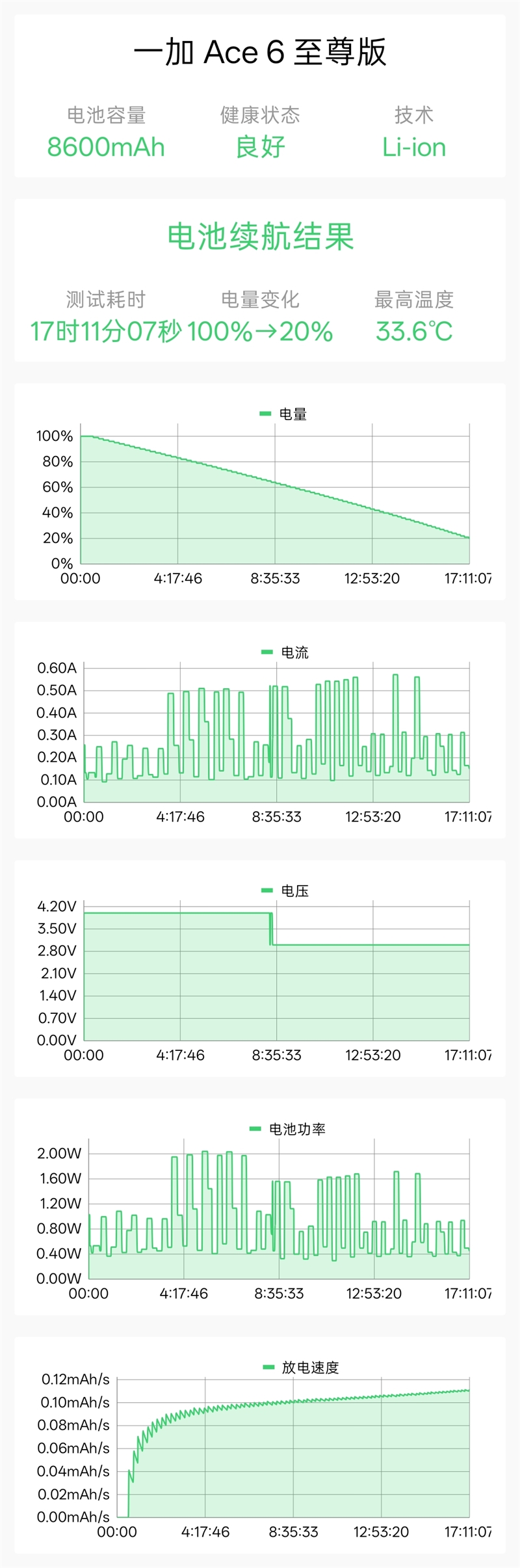
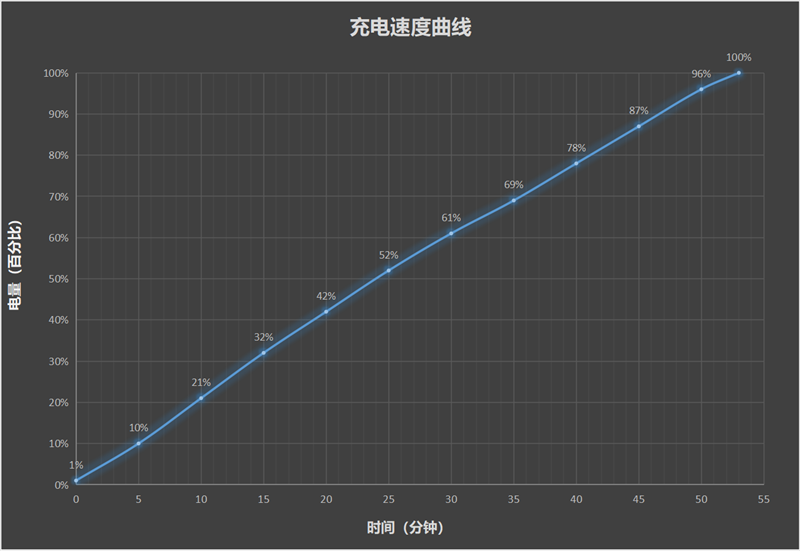
Battery life is another major highlight. The device packs a large 8600mAh battery with 120W fast charging, delivering long gaming endurance with quick recharge times. It also includes IP66, IP68, IP69, and IP69K dust and water resistance ratings, offering stronger durability than many gaming-focused smartphones.
For photography, the OnePlus Ace 6 Ultra includes a 50MP main camera and an 8MP ultra-wide camera. While gaming is clearly the main focus, the camera setup is still capable of handling everyday photos, landscapes, and wide-angle shots.
In the full review ahead, we will test the OnePlus Ace 6 Ultra across design, gaming performance, handling, battery life, and camera performance to see how it performs in real-world use.
Design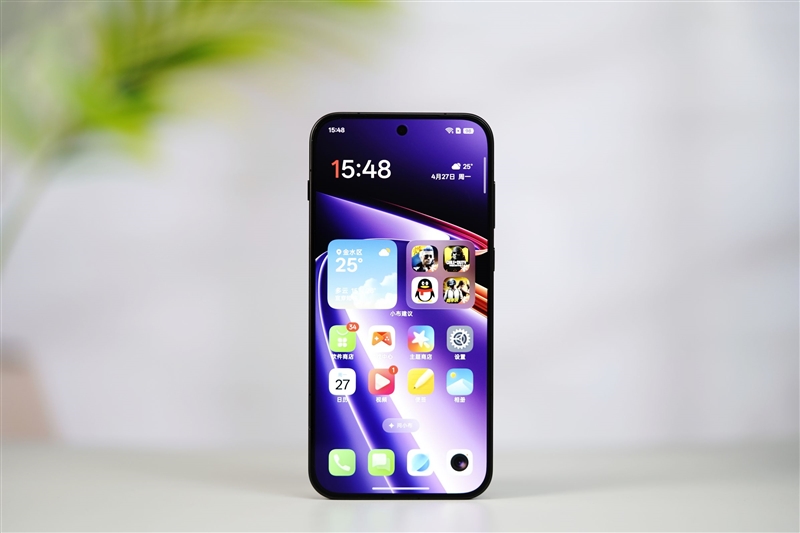
The OnePlus Ace 6 Ultra features a 6.78-inch 1.5K flat display with a centered punch-hole camera and ultra-slim bezels on all four sides, creating a clean and immersive viewing experience.
One of its standout features is the 165Hz refresh rate, which is smoother than the standard 120Hz panels found on most smartphones. The display also supports 3840Hz high-frequency PWM dimming and OnePlus Eye Protection technology. It carries TÜV Smart Eye Protection 5.0 certification, helping reduce eye strain during long gaming or media sessions.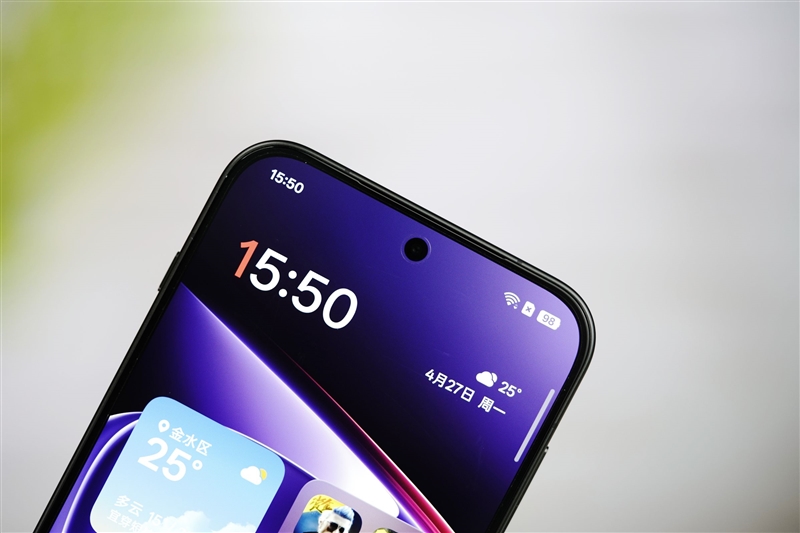
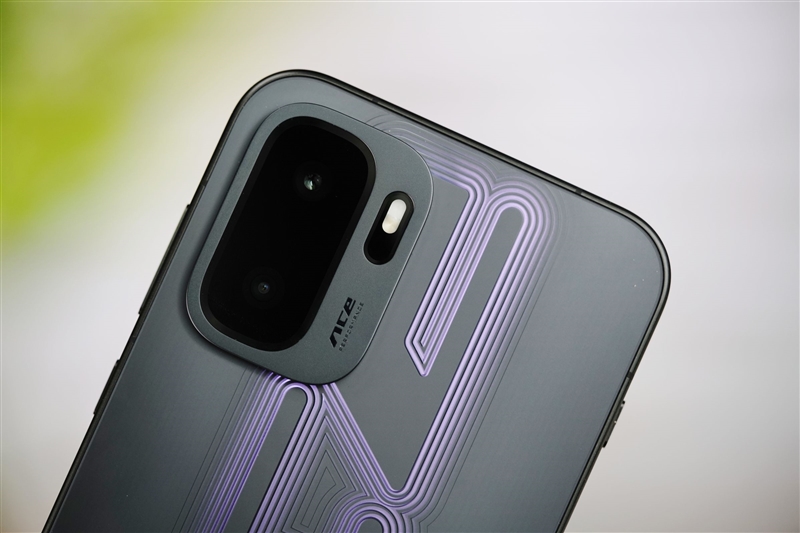
The Ace Awakening color option uses a 3D stereoscopic etched finish on the back panel. The large ACE branding runs across the rear with subtle blue and purple lighting effects over a black surface, giving the phone a unique gaming-inspired look and a textured feel in hand.
On the rear, the metal-style camera module houses a 50MP main camera and an 8MP ultra-wide sensor. A vertical LED flash and infrared sensor sit beside the module, while the ACE branding is placed below it.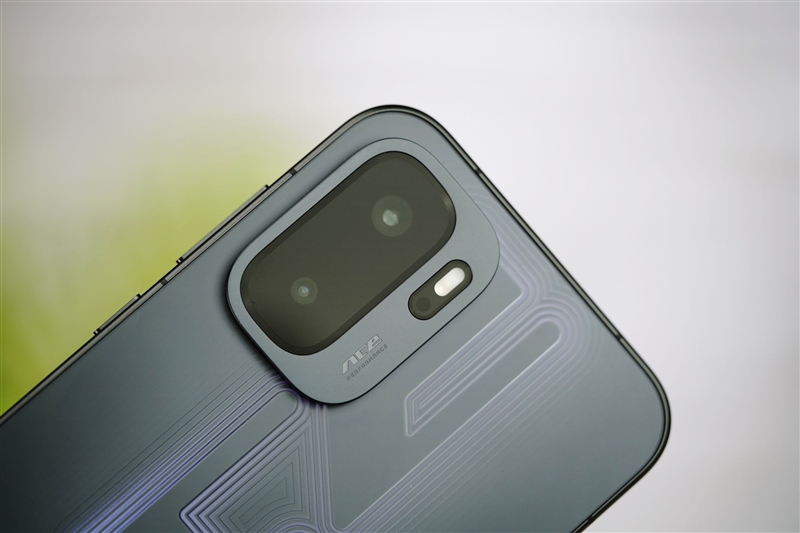
The phone measures 8.45mm thick and weighs 217g. Its matte dark-gray metal frame has a soft frosted texture that resists fingerprints and improves grip. Rounded edges also make the device more comfortable to hold.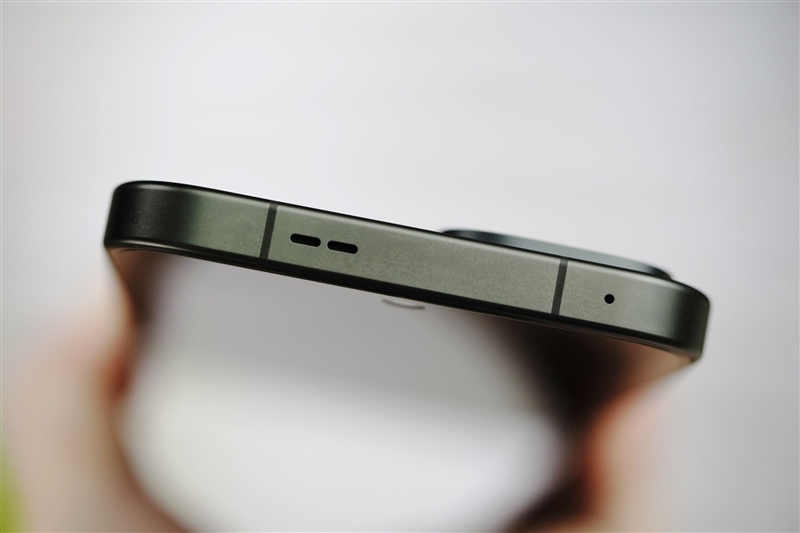
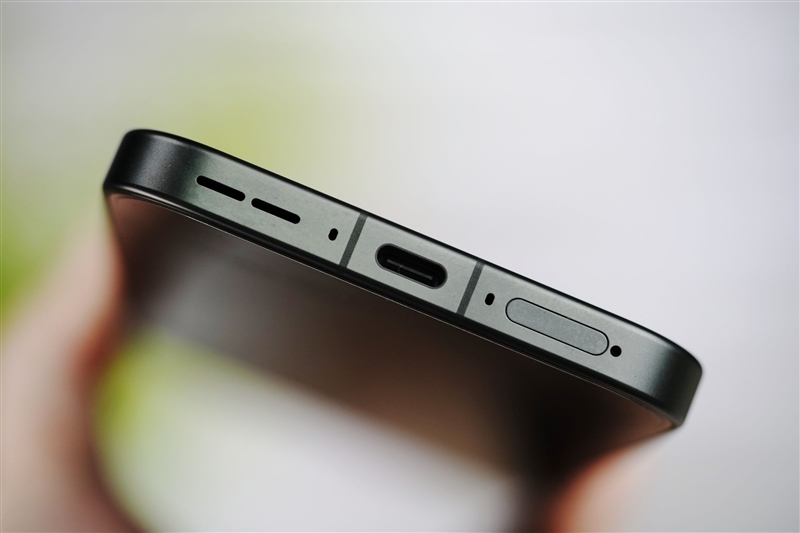
The power and volume buttons are positioned on the right side and offer tactile, responsive feedback. At the top, the phone includes a speaker and microphone, while the bottom houses another speaker, a USB Type-C charging port, a microphone, and a SIM tray.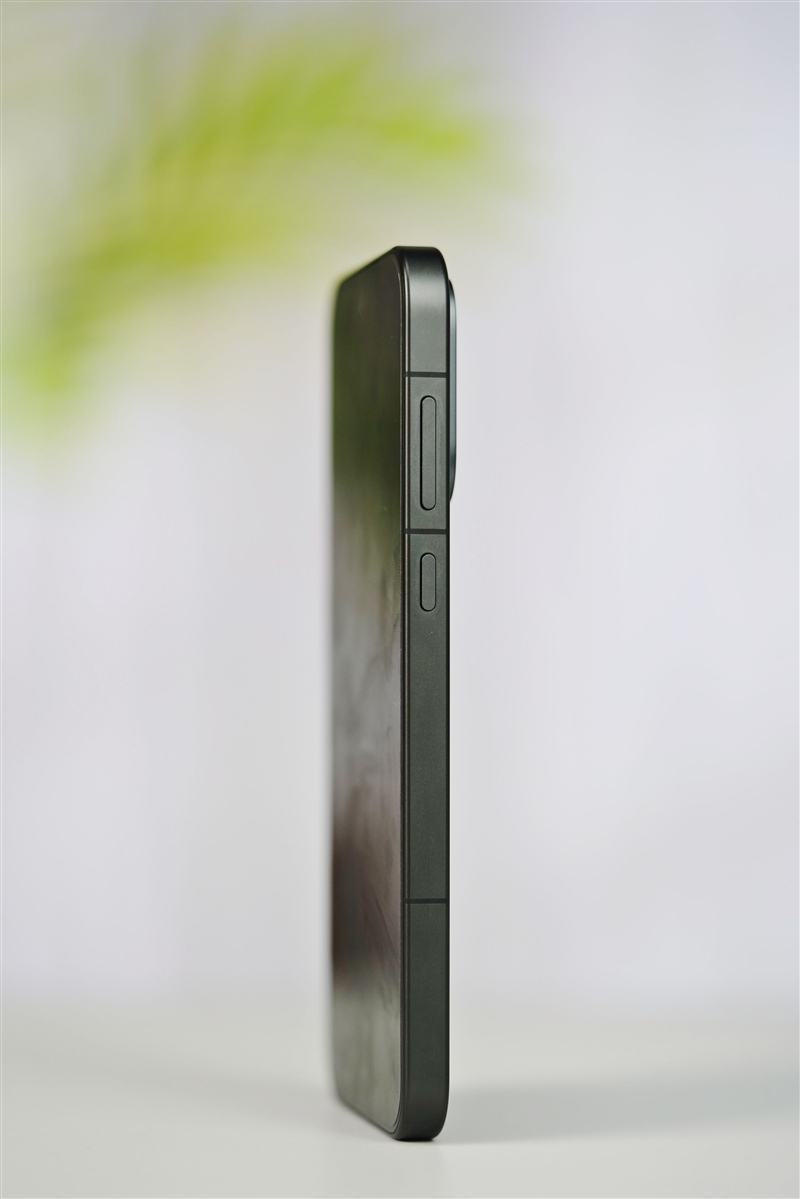
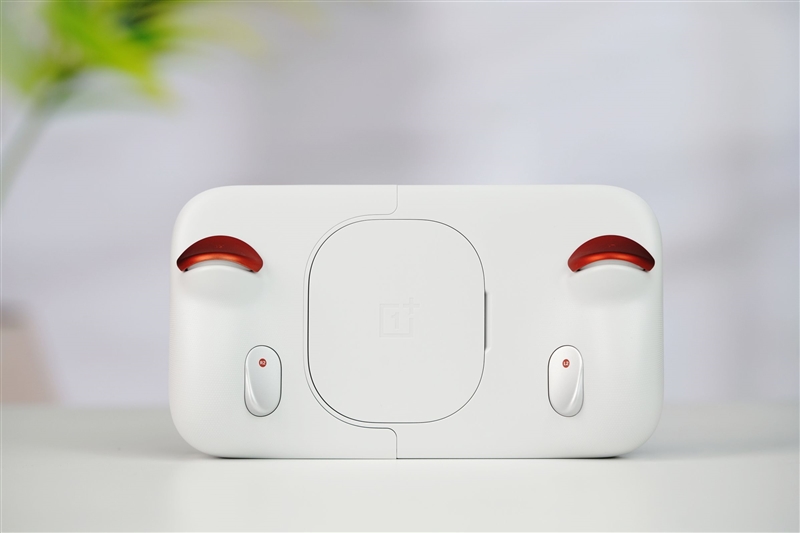
The OnePlus Ace 6 Ultra ships with a 120W fast charger in the box. We also tested the OnePlus Strix G15 Gaming Controller, which features a white body with red shoulder buttons and rear accents for a bold esports-style appearance.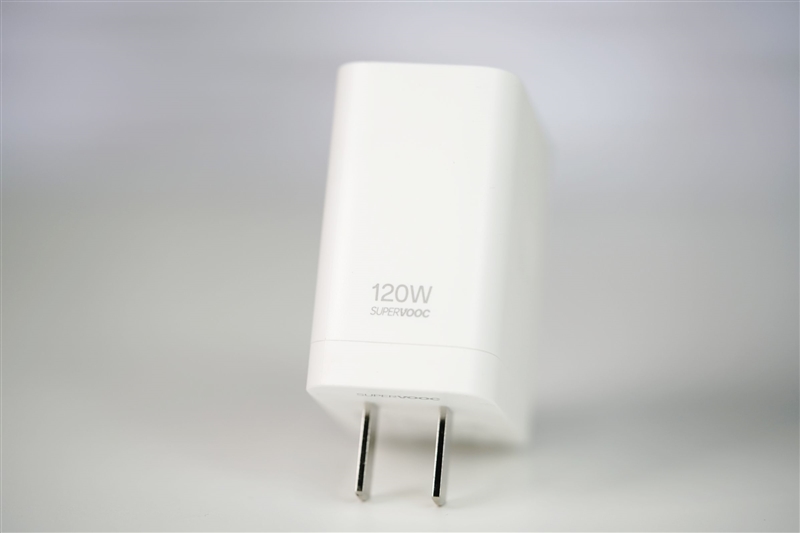
The controller connects directly through a USB Type-C port for low-latency gaming. Its stretchable design fits securely around the phone, and the built-in heat-conducting section helps manage device temperature during gaming and charging sessions.
Performance Testing
The OnePlus Ace 6 Ultra is powered by the Dimensity 9500 chipset and features the self-developed Wind Chaser Gaming Kernel, which improves CPU, GPU, and memory scheduling for better gaming stability. Paired with the Glacier Cooling System, G2 Pro e-sports network chip, and Lingxi Touch Chip, the phone delivers stable frame rates, reliable connectivity, and fast touch response during long gaming sessions.
For testing, we used three popular mobile shooters: Peacekeeper Elite, Call of Duty: Mobile, and CrossFire: Legends. All games were tested at 165 FPS in a 26°C room with high-performance and esports modes enabled.
Peacekeeper Elite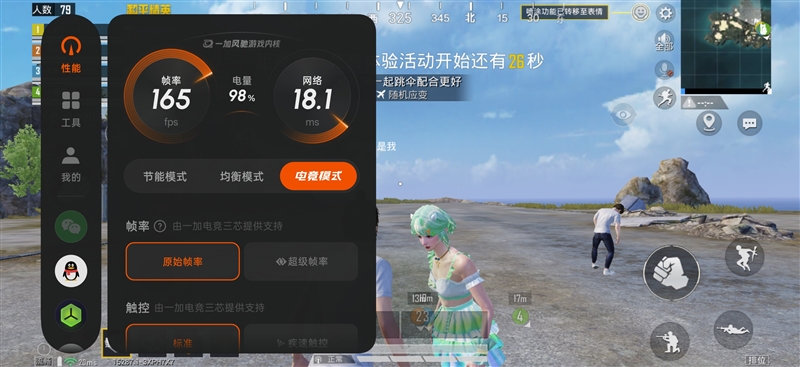
The game was set to smooth graphics with 165 FPS enabled. During a classic 4-player squad match, the phone achieved an average frame rate of 165.7 FPS with a fluctuation index of just 0.1. The 1% low frame rate stayed at 145.5 FPS, keeping gameplay smooth during parachuting, driving, and intense final-circle fights.
Average power consumption reached 4.3W, while per-frame power usage was 26mW.
Call of Duty: Mobile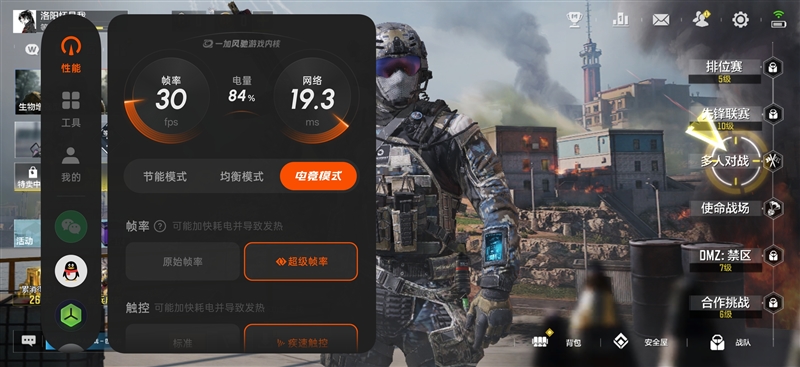
For Call of Duty: Mobile, graphics were set to standard with 165 165FPS enabled. Esports mode, super frame rate, and fast touch response were also activated.
Testing was done in the Nuketown multiplayer map. The frame rate stayed consistently around 165 FPS throughout the match, with an average of 165.6 FPS and a fluctuation index of 0.1. Gunfights felt smooth with almost no noticeable lag.
The game recorded an average power draw of 3 W and 18.2 mW power consumption per frame.
CrossFire: King of Guns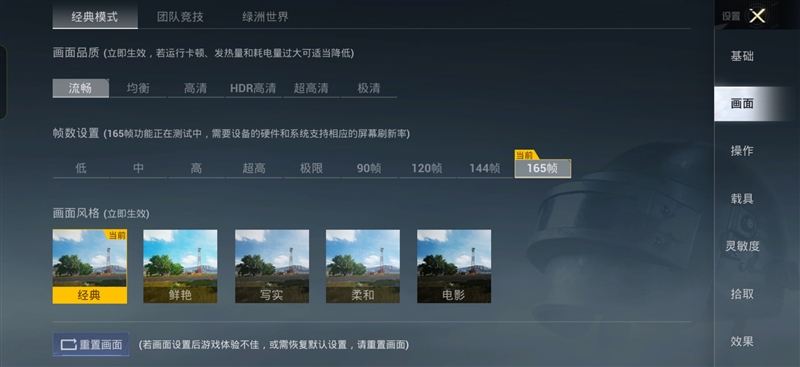
In CrossFire: Legends, the game was tested at medium graphics with 165 FPS enabled and Esports mode turned on. Testing took place on the Silent Village zombie map.
The phone maintained an average frame rate of 165.7 FPS with a fluctuation index of 0.1. Even the 1% low frame rate remained close to 150 FPS, delivering responsive movement, fast weapon switching, and smooth camera control. Average in-game power consumption was 2.37W, with per-frame power usage measured at 14.4mW.