










Samsung has managed to balance a large display with a slim design through a more compact internal layout, lighter structural materials, and optimized battery packaging. In hand, it doesn’t feel bulky, just a well-sized, everyday phone that’s easy to carry and use.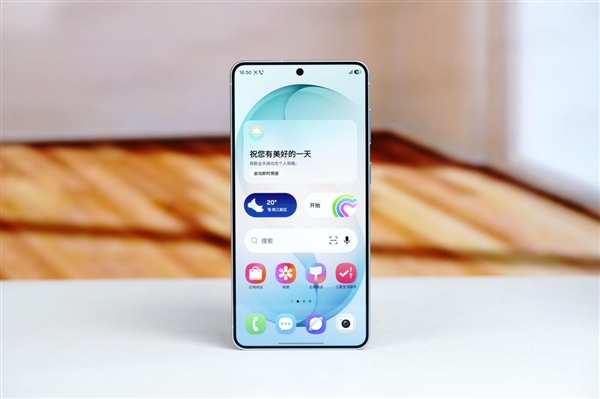
In terms of specs, the Samsung Galaxy S26+ is a modest upgrade over the S25+. It features the fifth-generation Snapdragon 8 Ultra (Samsung custom chip), which is an incremental improvement. The 4,900mAh battery remains unchanged, with 45W wired charging and a slight wireless upgrade from 15W to 20W.
The display is still 6.7 inches with 2K resolution on a second-generation dynamic AMOLED flat panel, supporting a 1–120Hz adaptive refresh rate. Peak brightness stays at 2,600 nits. The camera setup is also unchanged: a 50MP main sensor, 12MP ultra-wide, and 10MP telephoto with 3x optical zoom.
Overall, the S26+ continues Samsung’s “balanced flagship” approach, focusing on refinement rather than major upgrades. Next, we’ll look at its real-world performance across design, imaging, gaming, and battery life.
Let’s start with the full Samsung Galaxy S26 series specs (S26, S26+, S26 Ultra).
Design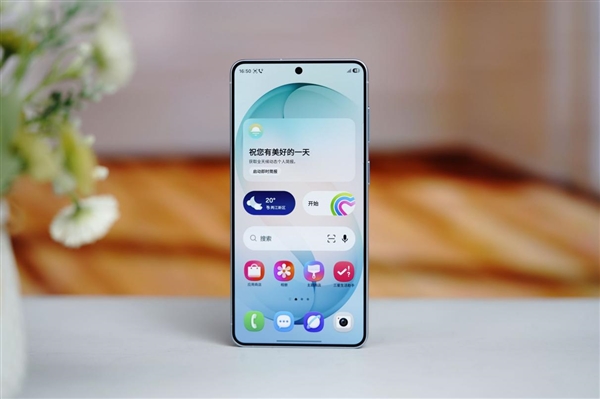
The front of the device sports a 6.7-inch 2K second-generation dynamic AMOLED flat display with a centered punch-hole camera. The bezels are extremely thin and evenly balanced, giving it a high screen-to-body ratio.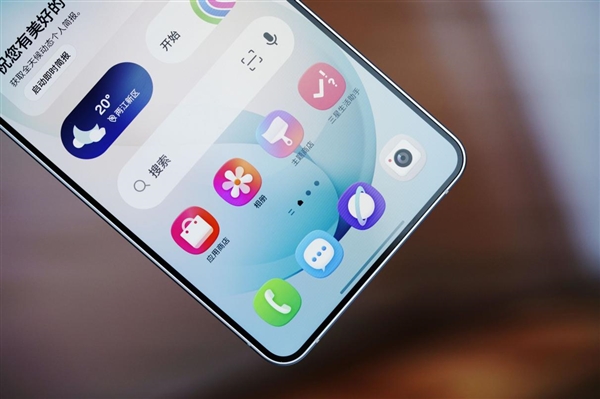
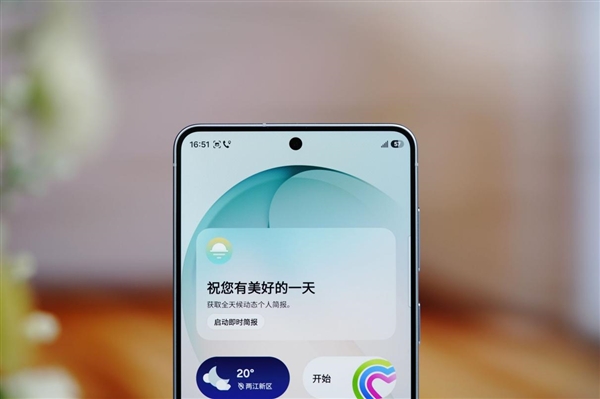
As expected from Samsung, display quality is a strong point. The panel reaches a peak brightness of 2600 nits, making it easy to view even under direct sunlight. Colors are vivid, sharp, and consistent, delivering a premium viewing experience whether you’re watching videos or scrolling content.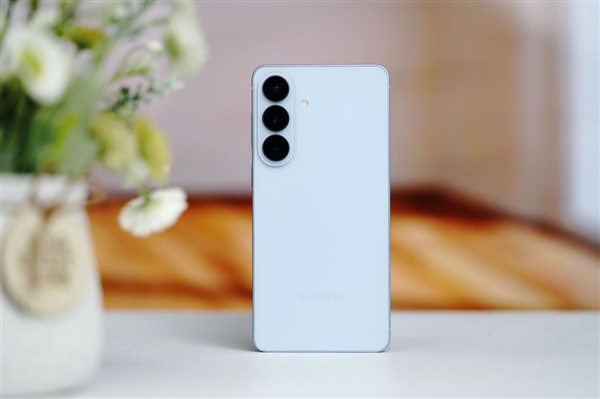
On the back, the phone comes in a low-saturation ice blue finish with a smooth matte texture that shifts subtly under light. It uses Corning Gorilla Glass Victus 2, which helps resist fingerprints while maintaining a refined, soft-touch feel.
The camera design is now more unified compared to previous generations. Instead of separate rings, the three lenses are housed in a single pill-shaped glass module that sits slightly raised, giving the rear a cleaner and more modern appearance.
The device is slim at just 7.3mm. All physical buttons are placed on the right side, with a textured matte finish for better grip and tactile feedback, making one-handed use easier without needing to look.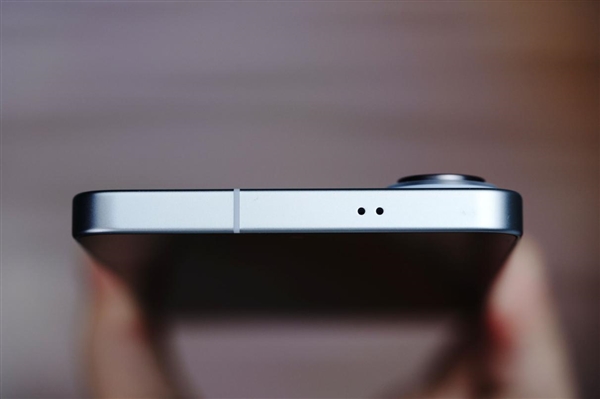
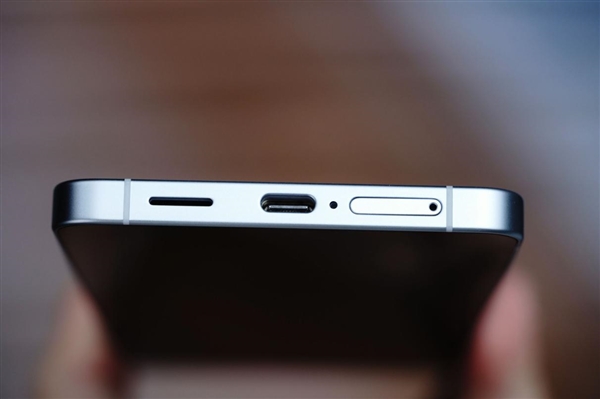
At the top, there are dual noise-canceling microphones for clearer audio capture. The bottom includes a speaker, USB Type-C port, primary microphone, and SIM tray for full connectivity. Overall, the design of the Samsung Galaxy S26+ focuses on refinement, symmetry, and a clean flagship look without unnecessary visual clutter.
Cameras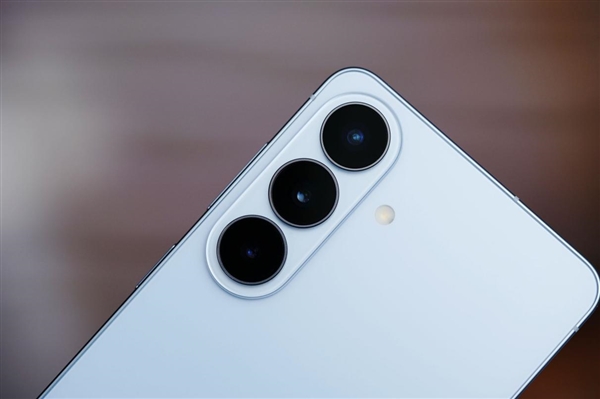
The Samsung Galaxy S26+ keeps its familiar imaging setup. The main camera hasn’t shifted to a larger sensor as rumored, but image quality still improves thanks to the fifth-gen Snapdragon 8 Ultra ISP (Samsung custom) and the new ProVisual Engine. Together, they refine this already stable system.
Camera Setup:
50MP main (F1.8) + 12MP ultra-wide (F2.2) + 10MP 3x telephoto (F2.4)
12MP front camera (F2.2)
Now let’s look at real-world results.
Main Camera Samples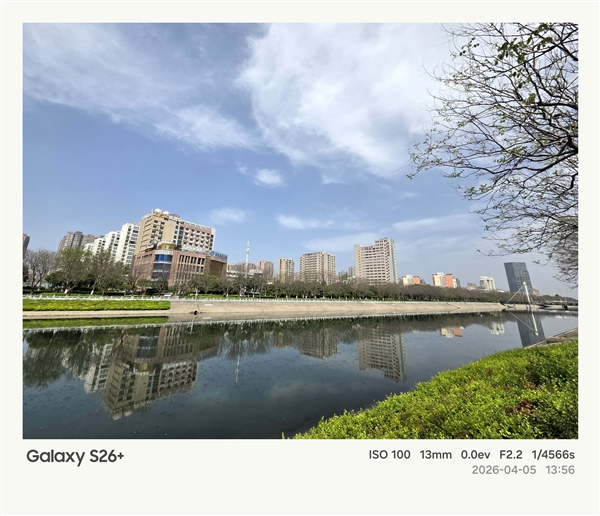
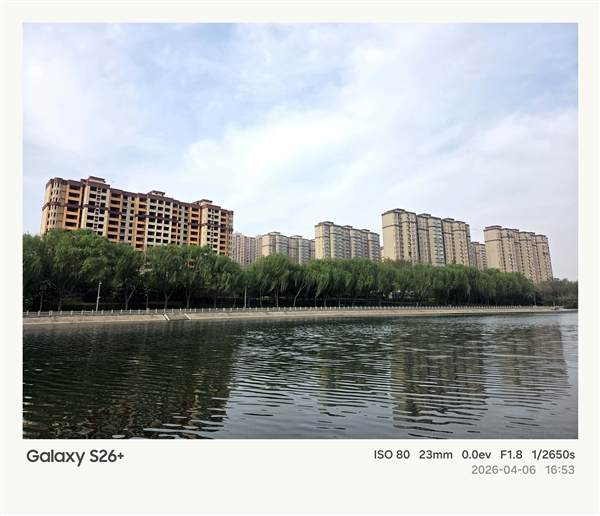
In daylight, detail is sharp and clean. Building textures and metal surfaces are reproduced accurately with no noticeable smearing. At low ISO (40–80), images stay clear with smooth tonal transitions and natural contrast.
Telephoto Samples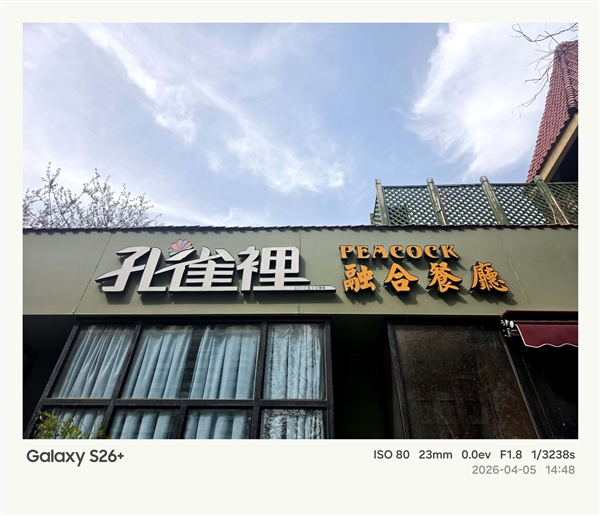
The native 69mm 3x zoom delivers consistent sharpness. Text and distant structures remain crisp, with minimal chromatic aberration or edge fringing.
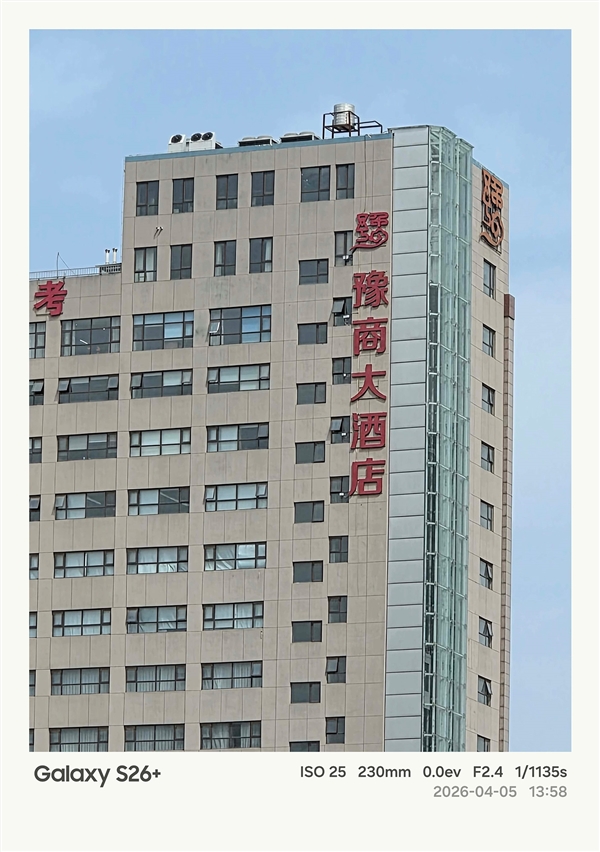
At 10x hybrid zoom (around 230mm), results are still usable, with key details like building outlines and windows clearly visible.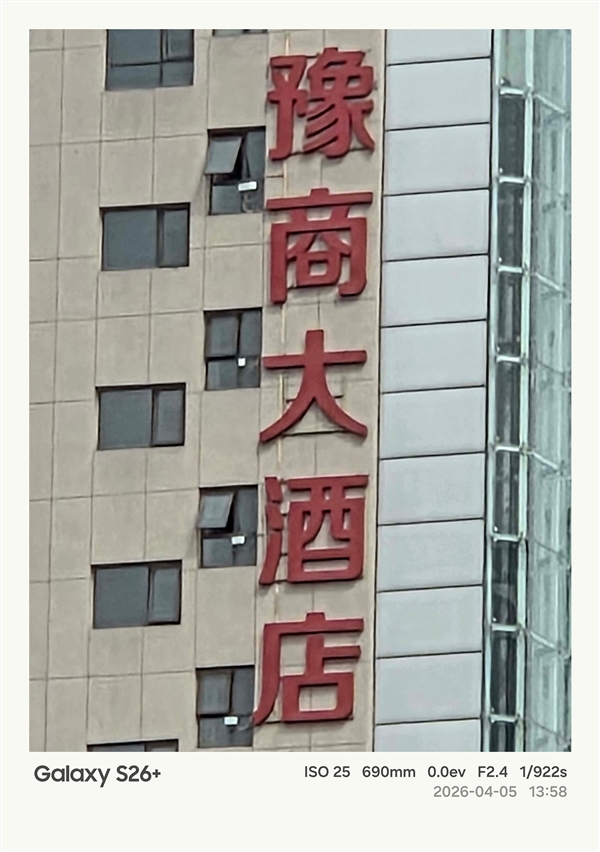
At 30x digital zoom (690mm), noise increases and fine detail drops, but it still works for casual shots like concerts or distant subjects when needed.
Ultra-Wide Samples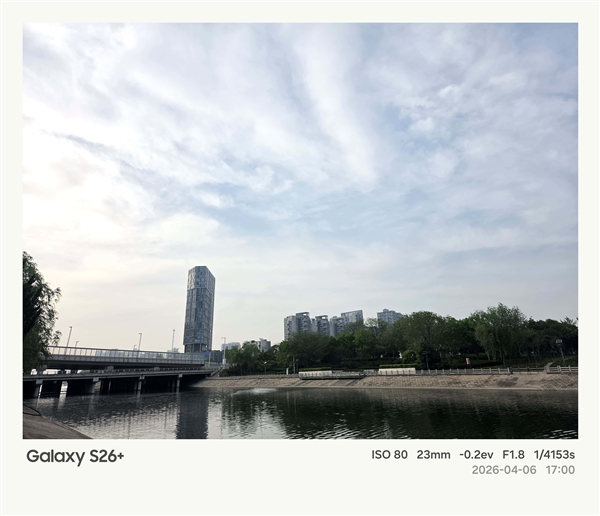
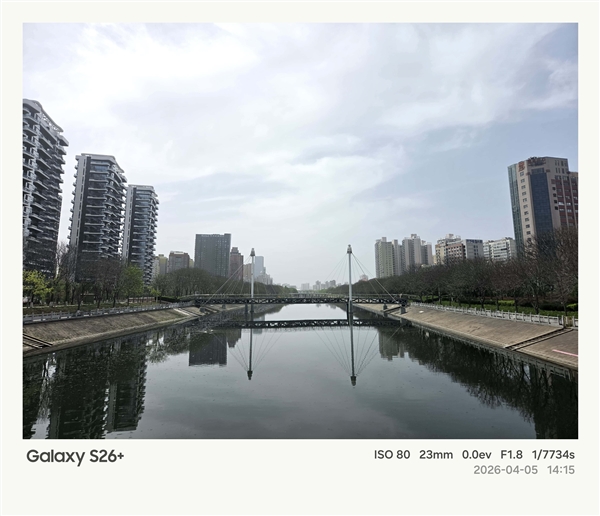
The 12MP 13mm ultra-wide lens captures a broad scene with good control over edge distortion. It’s useful for landscapes and tight spaces where framing matters.
Night Samples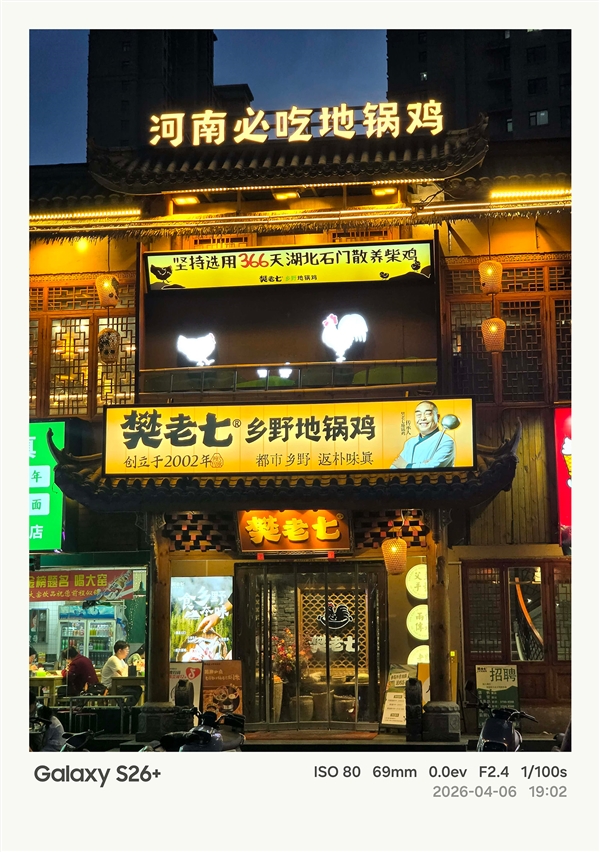
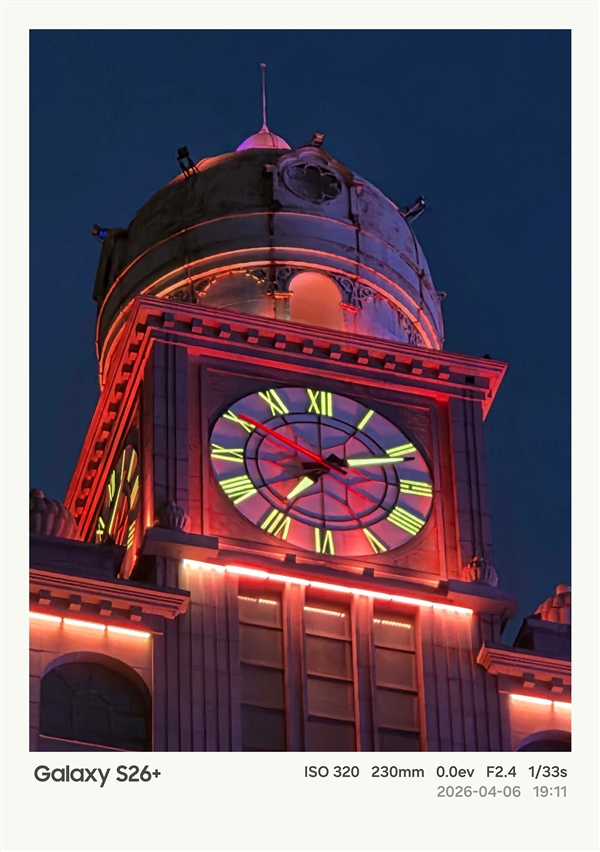
Low-light performance remains stable, with balanced exposure and controlled noise. Highlights are handled well without excessive blowout, keeping scenes natural.
Portrait Samples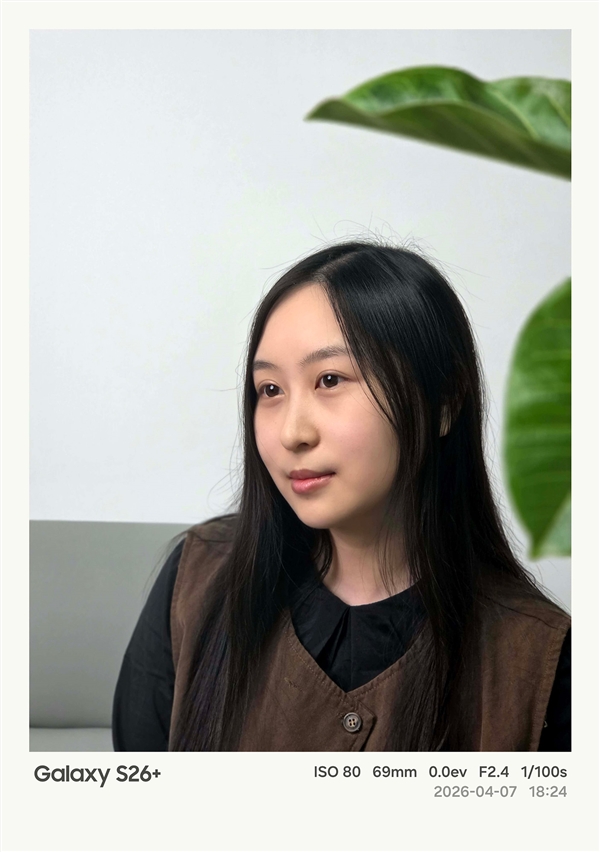
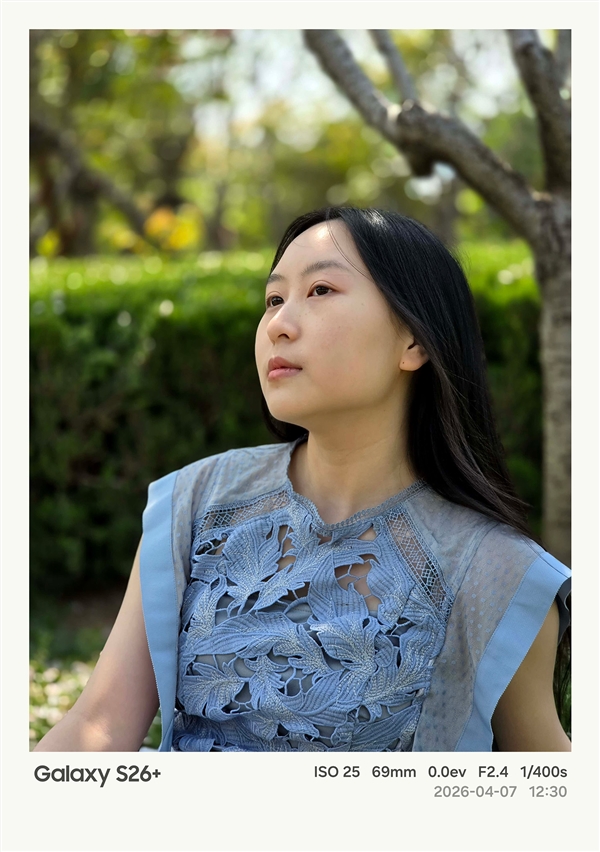
Portrait shots show good subject separation and smooth skin rendering, with reliable edge detection in most lighting conditions.
Macro Samples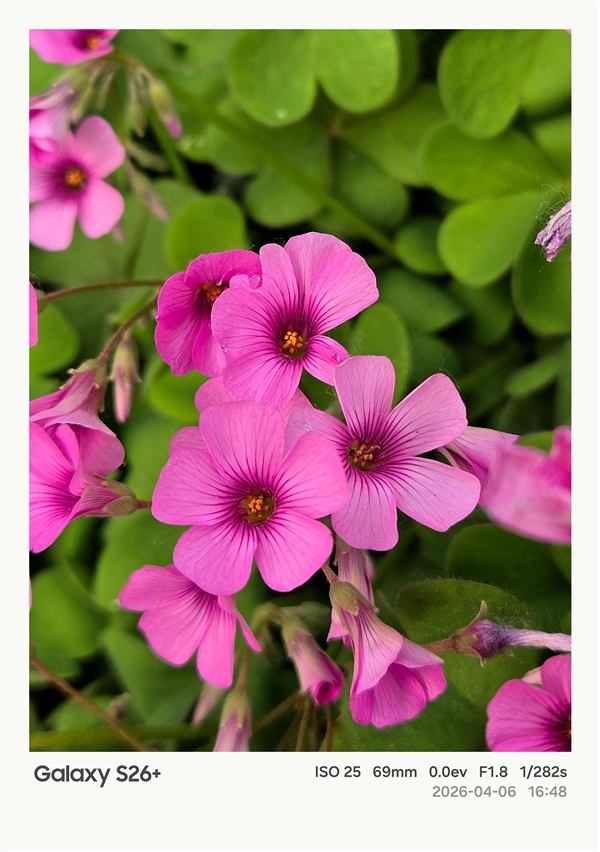
Close-up shots capture fine textures with decent clarity and consistent focus, suitable for everyday detail photography.
Performance Testing
The Samsung Galaxy S26+ comes in two processor variants depending on the region. The Chinese model tested here uses the fifth-generation Snapdragon 8 Ultra (Samsung customized).
We tested performance using popular mainstream games.
Honor of Kings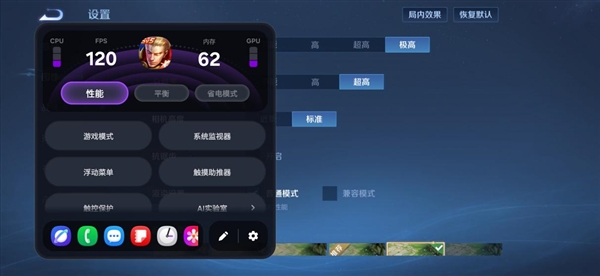
With Samsung Game Booster enabled in performance mode and ultra graphics selected, the device delivers a very stable experience. During 5v5 matches, the game stays locked at 120 FPS with minimal fluctuation.
Average power usage: 2.68W
Power per frame: 22.3mW
Genshin Impact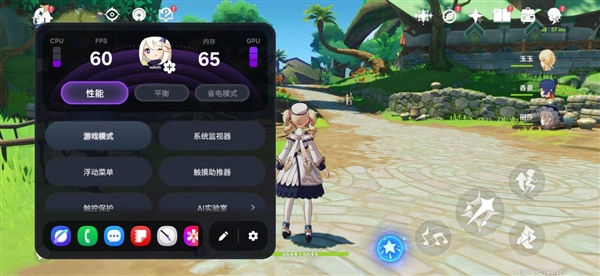
For Genshin Impact, performance mode was activated and Sumeru City was explored for 10 minutes at max settings. The frame rate remained steady at 60 FPS throughout the test with no noticeable drops.
Average power usage: 3.89W
Power per frame: 64.9mW
Battery Life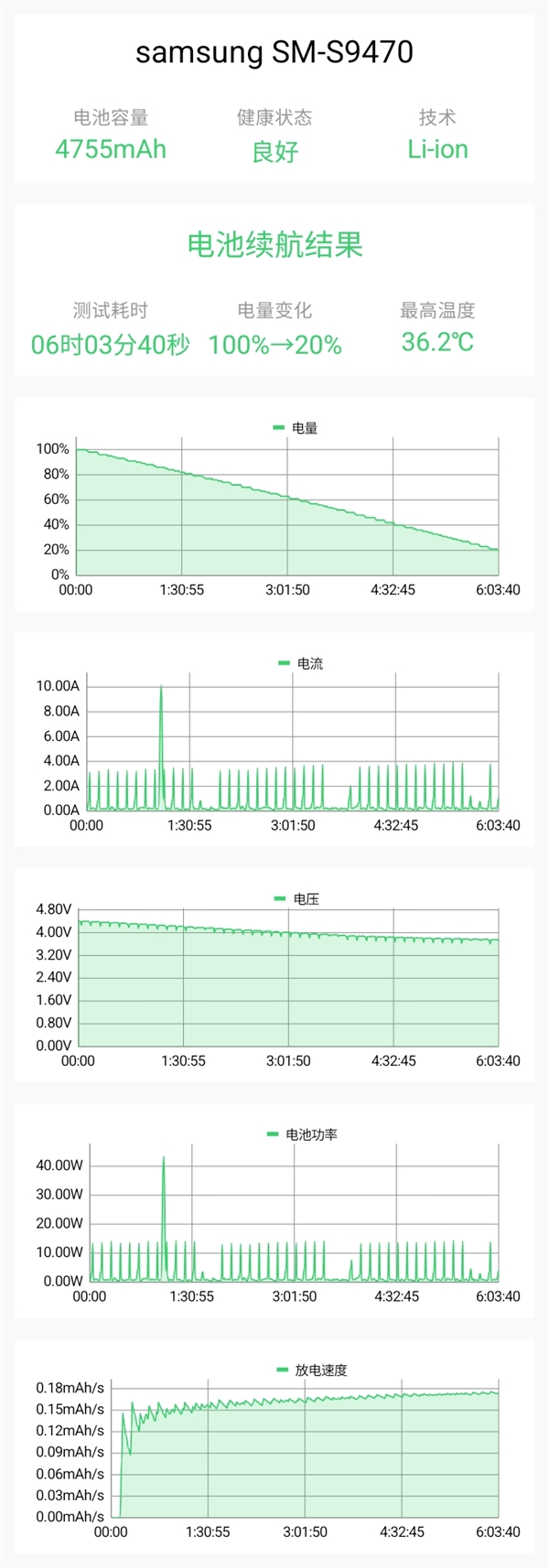
We tested the S26+ using BatteryDog by Fast Technology, running a full workload that included CPU stress, multi-threading, AI tasks, image browsing, video playback, and web browsing. The tool also standardized conditions by setting brightness to 50%, disabling auto-brightness, and fixing volume at 30% for consistent results.
In testing, the S26+ dropped from 100% to 20% in 6 hours and 3 minutes. This equals roughly 7.5 hours of total screen-on use, which is enough for a full day of normal usage.
Charging performance is decent. Using a Samsung 45W wired charger (not included in the box), the phone fully charged from 0% in about 1 hour. It also supports 20W wireless charging and works well with Qi2 magnetic chargers for added convenience.
Verdict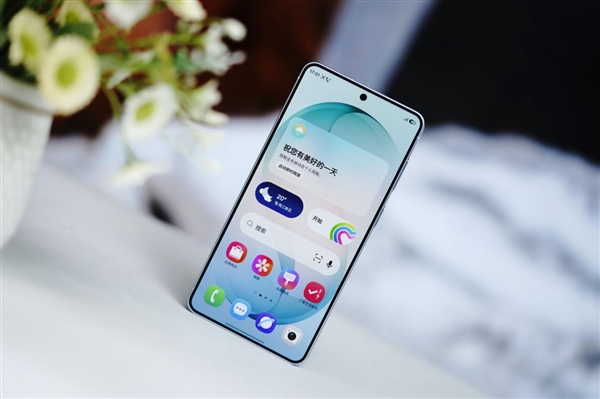
The Samsung Galaxy S26+ isn’t built to compete on extreme specs. Instead, it focuses on balance, offering flagship performance in a slim, lightweight design for comfortable everyday use in 2026.
Weighing just 190g and measuring 7.3mm thin, it feels very comfortable in hand for a 6.7-inch phone. Its 2K AMOLED flat display with 1–120Hz adaptive refresh rate and 2600 nits peak brightness delivers sharp, smooth, and bright visuals in all conditions.
The triple-camera system doesn’t chase extreme zoom, but image quality stays strong thanks to the Snapdragon 8 Gen 5 Ultra ISP. For most users, this setup is more reliable and practical than overcomplicated camera specs.
Powered by the customized Snapdragon 8 Gen 5 Ultra, the phone handles daily use and popular games like Genshin Impact and Honkai: Star Rail smoothly without issues. Battery life is also solid, with a 4900mAh cell lasting a full day. It supports 45W wired and 20W wireless charging for convenient top-ups.
There are a few compromises. The lack of a 5x periscope zoom limits long-range photography compared to Ultra models, and users must buy the charging adapter separately since it’s not included in the box. Compared to the S26 Ultra’s focus on maximum power, the S26+ is more about comfort, balance, and usability. It avoids unnecessary complexity and focuses on a clean, refined experience.
Overall, if you want a large-screen flagship that feels light, smooth, and easy to use every day, the Samsung Galaxy S26+ is one of the most practical choices of 2026.
Read Also: Is the Honor X16 Plus Worth It? Full Real-World Review