









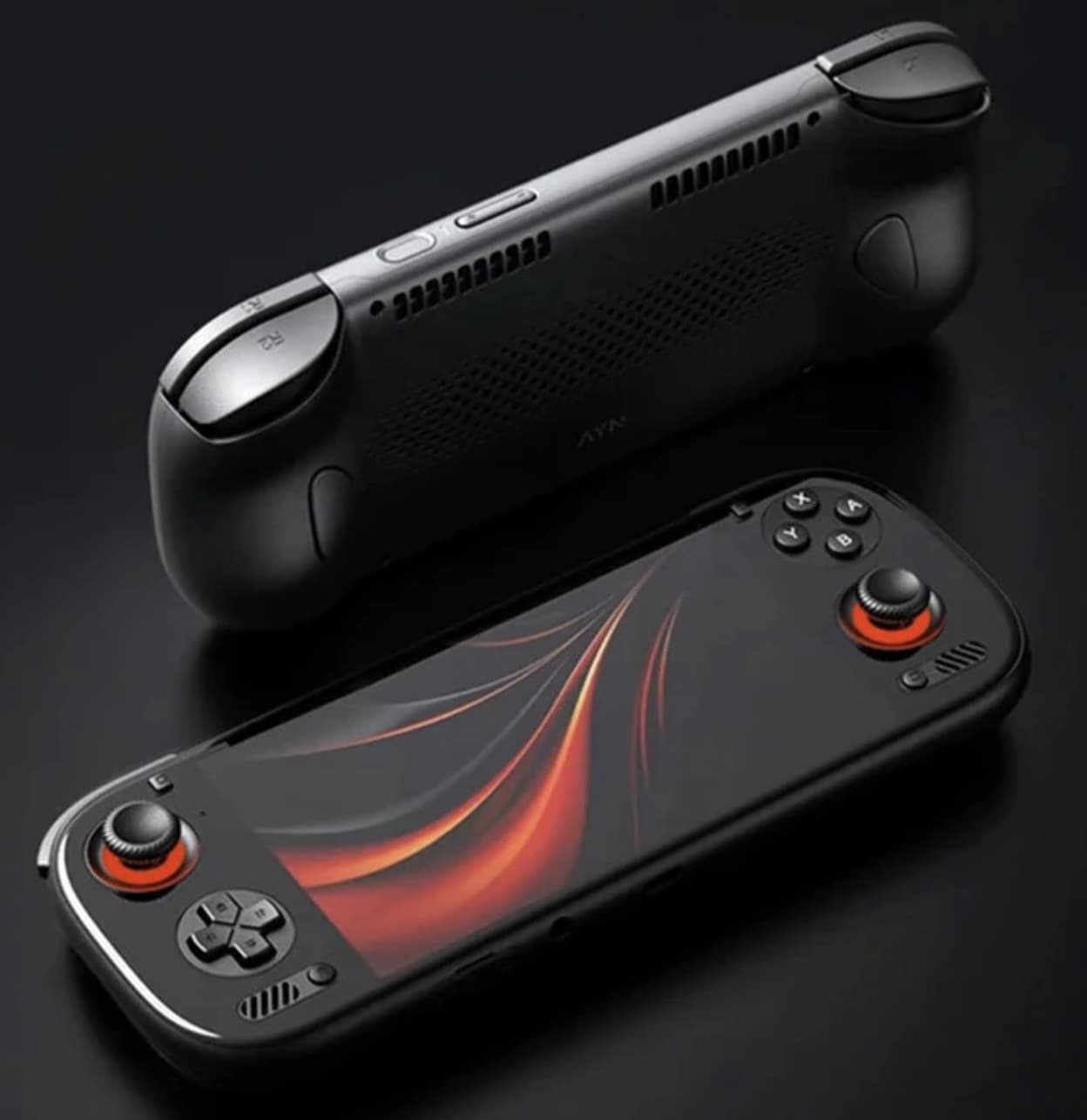
This comparison breaks down where the Odin 3 fits in the market and whether it’s the right choice for you.
The Big Picture: The Steam Deck Comparison
The first thing to understand is that the Odin 3 is not trying to beat the Steam Deck at its own game. It’s a different type of device entirely. The real question is: will you actually take it with you?
The argument for the Odin 3 comes down to one word: Friction . An x86 handheld like the Steam Deck is a powerhouse, but it comes with baggage—literally. You’re committing to a large sling or backpack, a 65W charger, and a brick of a power bank. You’re dealing with Windows ‘Modern Standby’ potentially waking up in your bag and cooking itself. That means using hibernate, and it always takes longer to enter and exit .
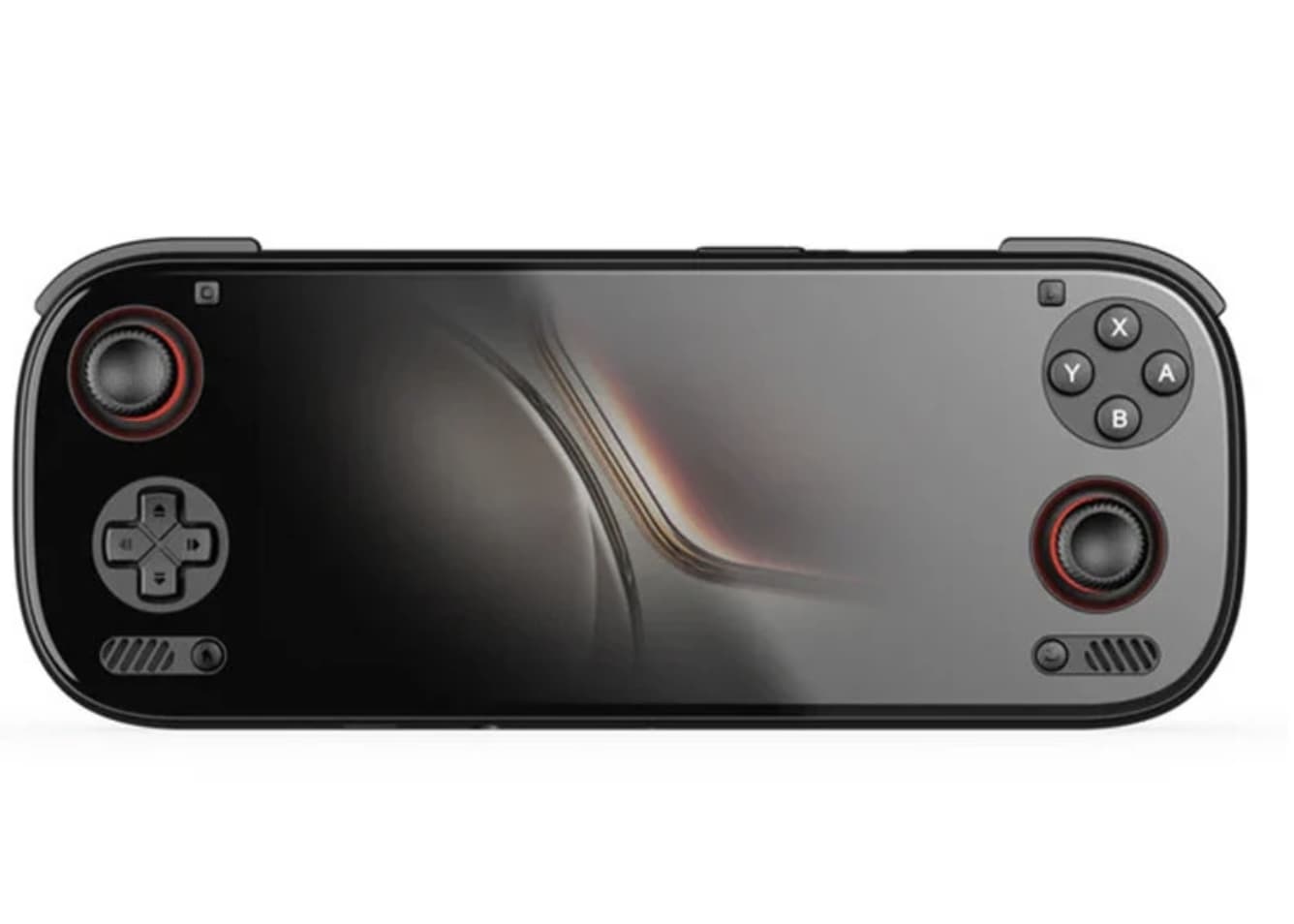
By contrast, the Odin 3 is a device you can throw in a small sling bag with just your earbuds. You can play for 20 minutes, tap the power button to instantly sleep it (reliably!), and not worry about battery anxiety . It’s not about what the device can do; it’s about how likely you are to actually take it with you. For a busy adult who just needs 15 minutes of peace, that convenience is worth the price of admission .
The Value Proposition: Specs vs. Price
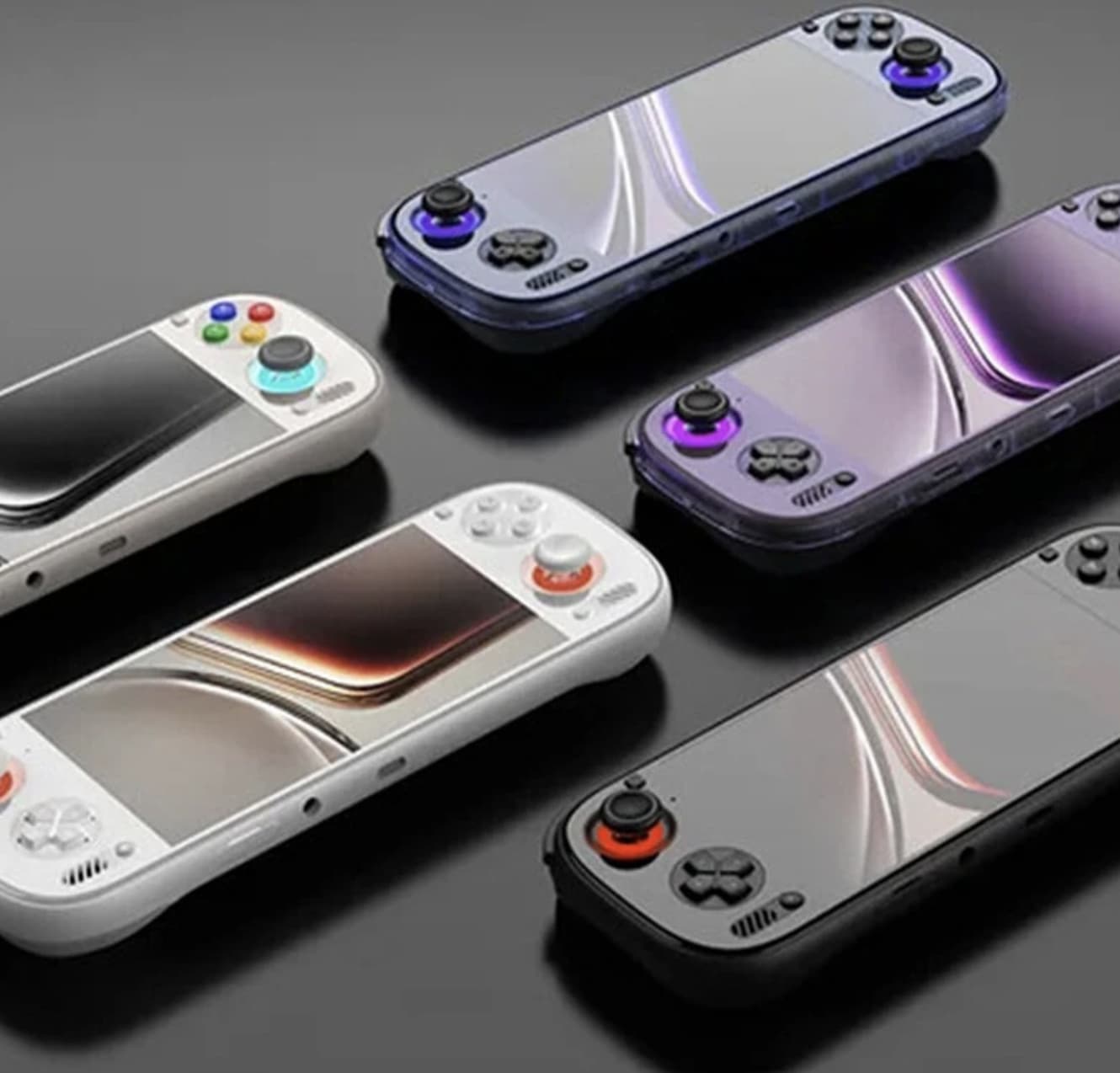
Let’s look at what you’re getting for your money. The Odin 3 comes in four configurations :
| Model | RAM | Storage | Price (USD) |
|---|---|---|---|
| Base | 8GB LPDDR5X | 128GB UFS 3.1 | $299 |
| Pro | 12GB LPDDR5X | 256GB UFS 4.0 | $369 |
| Max | 16GB LPDDR5X | 512GB UFS 4.0 | $419 |
| Ultra | 24GB LPDDR5X | 1TB UFS 4.0 | $499 |
All models share the same core specs: Snapdragon 8 Elite chipset, 6-inch 1080p AMOLED display with a 120Hz refresh rate, 8,000mAh battery with 60W charging, and Wi-Fi 7 connectivity .
At $299, the base Odin 3 is the cheapest way to get a Snapdragon 8 Elite in a dedicated gaming handheld. To put that in perspective, the RedMagic Astra tablet—the closest comparable device—starts at $549 for a model with 12GB of RAM and 256GB of storage. To match the Odin 3 Ultra’s 24GB/1TB config, the Astra would set you back $899, a full $400 more .
The Real-World Trade-Offs
However, a lower price and top-tier specs don’t always translate to a superior experience. Here’s where things get complicated.
The Software Challenge
The Odin 3’s biggest hurdle is software. The Snapdragon 8 Elite is so new that optimized open-source drivers (Turnip) are still playing catch-up. This means that while the hardware is capable of emulating almost anything, the software is not .
For retro systems up to PS2 and GameCube, the Odin 3 runs flawlessly—often at 4x to 6x resolution upscaling . But for Nintendo Switch and Wii U emulation, the lack of custom Turnip drivers limits performance, with some games refusing to run at all . For these systems, the older Odin 2 actually currently offers a superior experience .
The “Tinkerer’s Dream” vs. “Plug-and-Play”
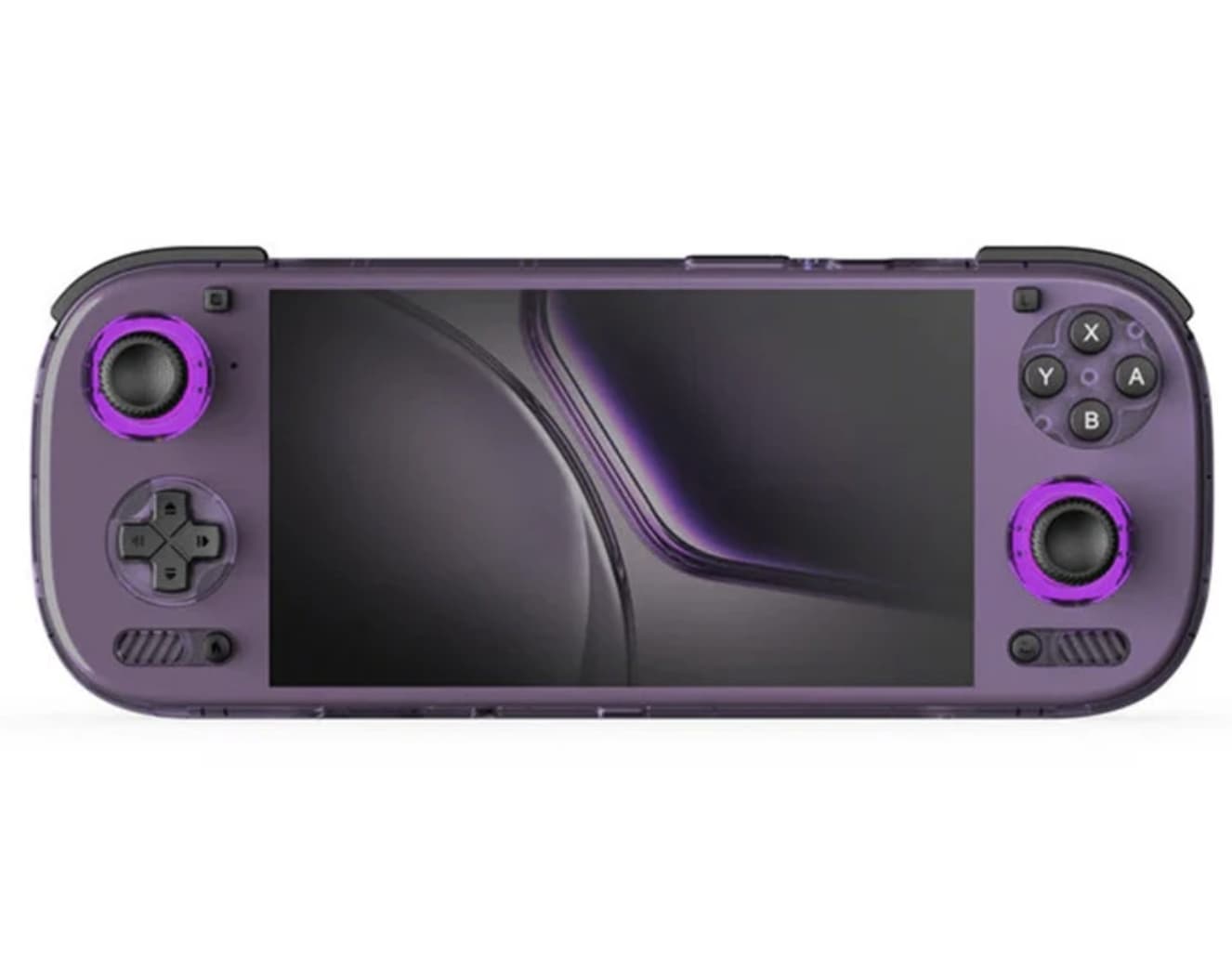
The Odin 3 is what you’d call a “tinkerer’s dream” . It’s a device for people who want to push boundaries and are excited to see drivers and emulators improve over time . One early adopter put it this way: “For many, it will be a frustrating experience. But I find myself saying that having ordered the Odin 3 Ultra” .
The Verdict: Who Is the Odin 3 For?
There isn’t a single “best” device here because these aren’t really competing for the same buyer .
Choose the AYN Odin 3 if:
-
You want the most powerful Android gaming handheld available today.
-
You’re willing to tinker and wait for software to catch up to the hardware.
-
You prioritize portability over raw power and want a device you’ll actually carry with you.
-
You want the absolute best possible PS2 and GameCube emulation with headroom to spare.
-
You’re excited by the potential of PC emulation (via tools like Winlator) on a Snapdragon 8 Elite .
You may want to consider other options if:
- You prefer a straightforward handheld that works with minimal setup or compatibility tweaking.
- Your main goal is Nintendo Switch or Wii U emulation, where the Odin 2 may still be the more practical choice.
- You want to spend less, as alternatives such as the Retroid Pocket 6 offer a 120Hz AMOLED display and active cooling at a lower starting price.
Ultimately, the AYN Odin 3 is aimed at users who are willing to trade some simplicity for more powerful hardware and future potential. It may not be the perfect handheld for everyone, but for enthusiasts who understand its strengths and are comfortable with its limitations, the Odin 3 could be a highly capable Android gaming machine. When comparing other Snapdragon-powered Android handhelds. The AYANEO Pocket S2 is a direct competitor with the Snapdragon G3 platform