









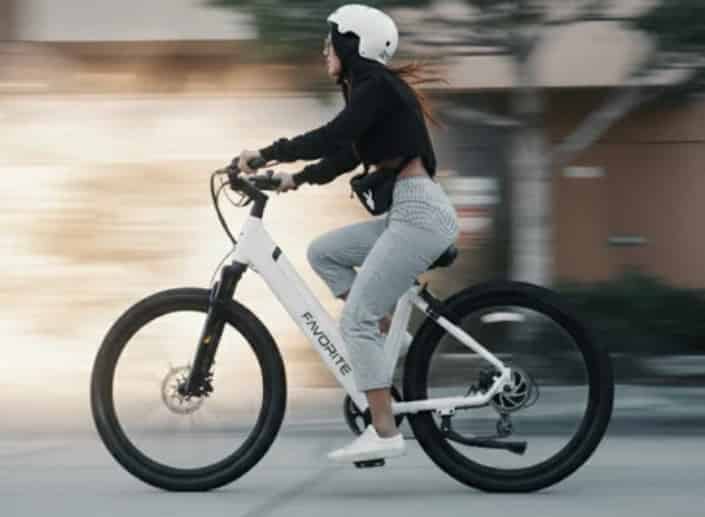
Why Speed Matters: The Evolution of Electric Bikes
Electric bikes have come a long way from their humble beginnings as pedal-assist cruisers. In 2026, the e-bike market is pushing boundaries with models that rival mopeds in speed while maintaining the practicality and eco-friendliness that made them popular in the first place. But how fast can an electric bike actually go, and what should buyers consider before chasing top speed?
Whether you’re a daily commuter looking to shave minutes off your ride or a thrill-seeker eyeing the latest high-performance builds, understanding e-bike speed classes, motor technology, and legal limits is essential before making a purchase.
Understanding E-Bike Speed Classes
In the United States, electric bikes are categorized into three classes, each with distinct speed limits:
- Class 1: Pedal-assist only, with a maximum assisted speed of 20 mph. These are the most widely accepted on bike paths and trails.
- Class 2: Includes a throttle, but still capped at 20 mph. Ideal for riders who want the option to cruise without pedaling.
- Class 3: Pedal-assist up to 28 mph. These are the fastest street-legal e-bikes and are popular among commuters who need to keep up with urban traffic.
Beyond Class 3, some manufacturers produce off-road or unrestricted models that can exceed 40-60 mph. However, these are generally not street-legal and are intended for private property or closed courses.
The Fastest Street-Legal Electric Bikes in 2026
For most riders, the sweet spot is a Class 3 e-bike that delivers 28 mph pedal-assisted speed with a reliable motor and long-lasting battery. Here are some of the standout performers this year:
High-Performance Commuters
The commuter segment has seen the most innovation. Brands are packing 500W to 750W motors into sleek frames with integrated batteries that deliver 40-60 miles of range. The key differentiator in 2026 is not just raw speed but how smoothly the bike reaches and maintains its top speed.
Models with torque sensors, for instance, provide a more natural riding feel compared to cadence sensors. The pedal assist kicks in proportionally to how hard you pedal, making the acceleration feel intuitive rather than jerky.
UL-Certified Speed Machines
Safety certification has become a major factor for speed-focused e-bikes. UL 2849 certification ensures that the electrical system, battery, and charger meet rigorous safety standards — something especially important when you’re pushing a bike to its limits at 28 mph through city streets.
For a comprehensive breakdown of the fastest electric bikes available today, including speed comparisons across different price points, it’s worth researching models that combine both speed and certified safety.
Off-Road Speed Demons
If street legality isn’t a concern, the off-road segment offers some jaw-dropping numbers. The HPC Revolution XX and Stealth B-52 can reach approximately 60 mph, essentially functioning as electric motorcycles in e-bike form. These machines typically cost $5,000-$10,000+ and require prot ective gear similar to motorcycle riding.
What to Look for in a Fast Electric Bike
Speed is exciting, but buying the fastest e-bike isn’t always the smartest move. Here’s what experienced riders recommend considering:
Motor Power and Type
Mid-drive motors (mounted at the crankset) generally offer better hill-climbing performance and a more balanced ride feel. Hub motors (in the rear wheel) are simpler and often cheaper but can make the bike feel rear-heavy. For commuting at Class 3 speeds, a 500W mid-drive motor is the current sweet spot.
Battery Range at Speed
Here’s what many first-time buyers overlook: riding at maximum speed drains the battery significantly faster. A bike rated for 60 miles of range at 15 mph might only deliver 30-35 miles at a sustained 28 mph. Always check range specs at the speed you actually plan to ride.
Braking System
Higher speeds demand better brakes. Hydraulic disc brakes are non-negotiable for any e-bike that regularly cruises above 20 mph. Some premium models now include regenerative braking that feeds energy back to the battery during deceleration.
Frame and Build Quality
At 28 mph, road vibrations and impacts are amplified. Look for frames made from 6061 aluminum alloy or carbon fiber with proper suspension. A quality frame isn’t just about comfort — it’s a safety requirement at higher speeds.
Legal Compliance
Before buying a high-speed e-bike, check your local regulations. Some states and cities restrict Class 3 bikes from certain bike paths. A few states require registration or a driver’s license for e-bikes above 20 mph. Knowing the rules in your area prevents costly surprises.
The Real Cost of Speed
Fast e-bikes typically cost more, but the price gap is narrowing. In 2026, you can find quality Class 3 e-bikes starting around $1,500, while premium models with advanced features run $2,000-$3,500. The off-road speed bikes mentioned earlier occupy a separate tier entirely.
For most commuters and recreational riders, a well-built Class 3 e-bike offers the best balance of speed, safety, and value. The technology has matured enough that you no longer need to spend $5,000 to get a reliable 28 mph ride.
Looking Ahead: What’s Next for E-Bike Speed?
The e-bike industry is evolving rapidly. Battery technology improvements are extending range without adding weight. Motor efficiency gains mean more speed from less power. And as urban infrastructure adapts to accommodate e-bikes, we may see new speed class categories emerge.
One trend to watch is the integration of smart displays and app connectivity in high-speed e-bikes. Real-time speed monitoring, GPS tracking, and ride analytics are becoming standard features rather than premium add-ons.
Whatever your speed needs, the 2026 e-bike market has more options than ever. The key is matching the right bike to your actual riding conditions — because the fastest bike on paper isn’t always the best bike on the road.