









Mechanical keyboards have spent years competing on switches, keycaps, RGB lighting, and increasingly elaborate designs. The GravaStar V60 PRO takes a different route by putting Hall Effect technology at the center of its gaming proposition.
That distinction matters.
A conventional mechanical switch relies on physical contacts to register a keypress. Hall Effect switches detect changes in a magnetic field, allowing manufacturers to introduce features such as adjustable actuation and analog-style input that aren’t normally available on a traditional mechanical keyboard.
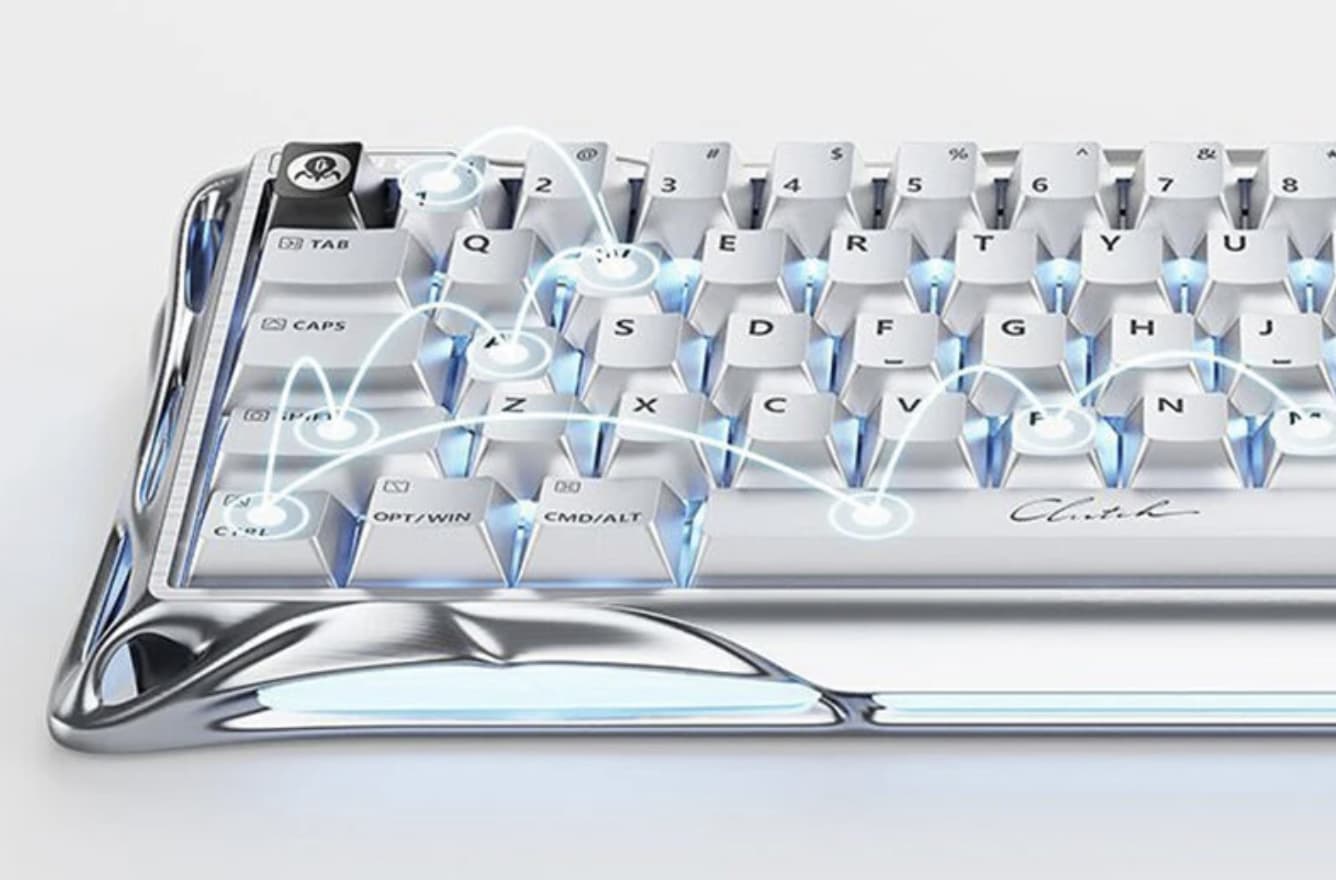
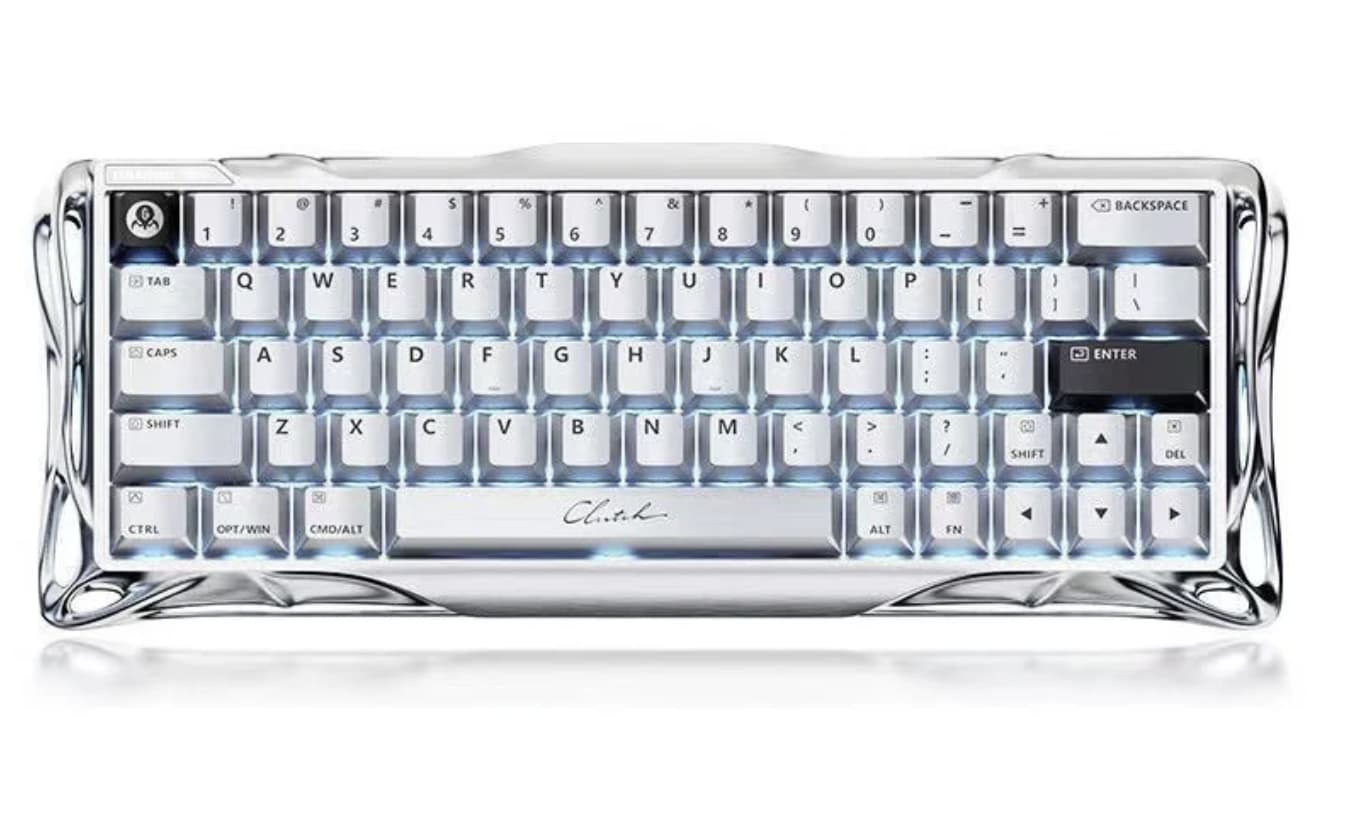
The V60 PRO combines that technology with a CNC-machined aluminum chassis, an 8,000Hz polling rate, customizable analog key functions, and GravaStar’s unmistakably futuristic industrial design.
But impressive specifications don’t automatically translate into a better gaming experience.
The real question is whether Hall Effect technology makes a noticeable difference when you’re actually playing games—and whether those extra features are worth choosing the V60 PRO over a conventional mechanical keyboard.
Hall Effect Is the Feature That Actually Changes the Keyboard
The V60 PRO’s futuristic appearance will probably attract attention first, but its Hall Effect switches are considerably more important. If you’re unfamiliar with magnetic switches, our Hall Effect gaming keyboard guide explains how this technology differs from traditional mechanical switches.
Traditional mechanical switches generally have a defined actuation point. Press the key far enough and the keyboard registers the input.
Hall Effect switches approach this differently.
Because the keyboard can detect the position of the switch more precisely, software can use that information to change how a key behaves.
For gaming, this can enable features such as adjustable actuation points and rapid triggering.
That means a player doesn’t necessarily have to press a key through the same physical distance every time before the keyboard responds.
For competitive games where repeated directional inputs matter, this can be more meaningful than RGB lighting or an elaborate case.
Adjustable Actuation Is More Useful Than It Sounds
One of the biggest advantages of a Hall Effect keyboard is the ability to customize when a key registers.
A deeper actuation point can make a key feel more deliberate.
A shallower setting can make it respond earlier.
This creates an interesting balance between gaming and normal typing.
For example, a gamer might prefer highly responsive settings for movement keys while choosing a slightly deeper actuation point for keys used for typing.
That level of customization isn’t the same as simply changing a mechanical switch.
It changes the relationship between the physical movement of the key and the resulting input.
The important caveat is that more sensitive doesn’t automatically mean better.
If actuation is set too aggressively, accidental inputs can become more likely. Players may need time to find settings that actually improve their control rather than simply making the keyboard feel hypersensitive.
Rapid Trigger Is Where Competitive Players May Notice the Difference
Rapid Trigger is one of the features that makes Hall Effect keyboards particularly interesting for competitive gaming.
On a conventional mechanical keyboard, a key normally has to return past a particular reset point before another activation can be registered.
A Hall Effect design can detect the key’s movement more dynamically.
That can allow a key to reset with a much smaller amount of movement.
For games that rely heavily on rapid directional changes, this can potentially make repeated inputs feel more immediate.
But there’s an important distinction between technical capability and practical advantage.
A keyboard feature doesn’t automatically improve a player’s reaction time.
It can remove some hardware limitations, but the player’s own timing, consistency, and skill remain much more important.
The 8,000Hz Polling Rate Is Impressive—But Don’t Overestimate It
The V60 PRO supports an 8,000Hz polling rate, putting it firmly into enthusiast gaming territory.
A higher polling rate means the keyboard can report input changes more frequently.
On paper, that sounds like an obvious upgrade.
In practice, however, the difference between extremely high polling rates isn’t equally noticeable to every user.
For competitive players using a high-refresh-rate gaming monitor and a fast PC, reducing input-reporting intervals can make sense as part of an optimized setup.
For ordinary desktop use, the difference is much harder to justify as a reason to upgrade.
So I’d treat 8K polling as a specialized performance feature, not something every buyer needs.
The V60 PRO Is More Than a Gaming Keyboard
Another interesting aspect of the keyboard is its physical construction.
GravaStar uses a CNC aluminum chassis, giving the V60 PRO a substantially more engineered appearance than the typical plastic gaming keyboard.
This isn’t just about aesthetics.
A rigid chassis can reduce unwanted flex and give the keyboard a more substantial feel when typing or gaming.
It also contributes to the product’s premium positioning.
But aluminum has a trade-off.
A metal chassis can make a keyboard heavier, and that isn’t necessarily ideal for someone who regularly moves their keyboard between locations.
For a permanent gaming desk, however, additional weight can actually be an advantage because the keyboard is less likely to move around during intense sessions.
The Design Is Definitely Not for Everyone
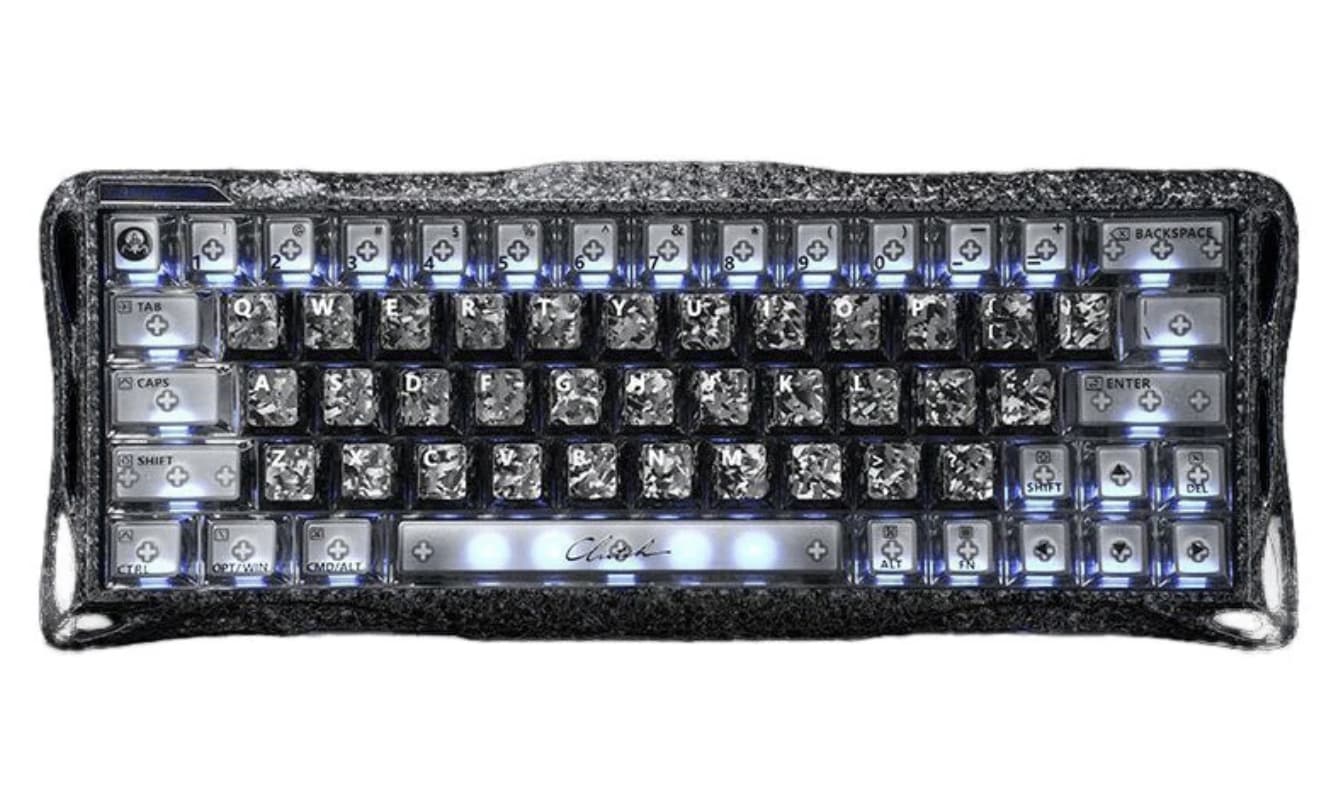
GravaStar has developed a recognizable visual language based around industrial machinery, sci-fi structures, exposed mechanical elements, and angular forms.
The V60 PRO follows that philosophy.
It’s not trying to disappear into a minimalist office setup.
That makes the keyboard immediately recognizable, but it also creates a question of taste.
Some buyers will consider the design one of the biggest reasons to buy it.
Others may prefer a much simpler keyboard with a flat aluminum frame and minimal branding.
That’s why I wouldn’t describe the futuristic styling as an objective advantage.
It’s a design choice, and the right answer depends on the rest of your desk setup.
Why the 60% Layout Matters
The compact layout is another major part of the V60 PRO’s identity. If you prefer a different layout or want more options, our mechanical gaming keyboard reviews cover a range of gaming-focused designs and form factors.
A smaller keyboard frees up desk space for a mouse, which can be particularly useful for gamers who use low mouse sensitivity and need a large area for sweeping movements.
That makes the compact format especially attractive for FPS players.
The downside is equally obvious.
A compact keyboard sacrifices some dedicated keys and convenience compared with a full-size layout.
If your daily workflow involves spreadsheets, numerical input, extensive editing, or frequent use of dedicated navigation keys, a compact gaming keyboard may require more shortcuts and adaptation.
So the layout should be chosen based on your workload, not simply because smaller keyboards look more modern.
Gaming Performance Is Where the Hardware Makes Sense
The V60 PRO’s feature set is easiest to justify in competitive games.
Consider an FPS player.
Movement often involves rapid combinations of:
- forward and backward inputs
- strafing
- quick directional changes
- crouching
- jumping
- weapon switching
In this environment, adjustable actuation and rapid-trigger behavior can be more relevant than they would be in a casual game.
The keyboard gives the player more control over how physical key movement translates into input.
That doesn’t make the player faster by itself.
It simply provides a hardware platform with fewer traditional switch limitations.
What About Typing?
A gaming keyboard still has to work when you’re not gaming.
The V60 PRO’s Hall Effect switches can be configured for different actuation behavior, which creates opportunities to find a setting that feels comfortable for normal typing.
But the compact layout remains the bigger consideration.
If you spend several hours every day writing articles, emails, or documents, you may appreciate the smaller footprint—or you may find the missing keys inconvenient.
This is one area where a premium gaming keyboard can’t simply be judged by its gaming specifications.
Your keyboard is also a daily input device.
Hall Effect Doesn’t Automatically Make a Keyboard Better
This is perhaps the most important conclusion from the V60 PRO.
Hall Effect is a technology, not a guarantee of quality.
A well-designed conventional mechanical keyboard can still provide excellent switches, satisfying feedback, reliable firmware, and a great typing experience.
Hall Effect becomes particularly valuable when you actually use the capabilities it enables.
If you don’t care about adjustable actuation, rapid trigger, analog input, or competitive gaming features, you may gain relatively little from choosing a Hall Effect keyboard.
That’s why the V60 PRO makes more sense for enthusiasts than casual users.
Where the V60 PRO Makes the Most Sense
Competitive FPS Gaming
This is arguably the clearest target.
Rapid directional inputs and adjustable actuation are features that can be relevant to competitive players.
Gaming Desks With Limited Space
The compact layout leaves more room for mouse movement.
Enthusiasts
If you enjoy experimenting with actuation settings and keyboard behavior, the V60 PRO offers considerably more to explore than a conventional mechanical board.
Design-Focused Setups
The industrial GravaStar styling is a major attraction for buyers who want their peripherals to become part of the visual identity of the desk.
Who Should Probably Skip It?
The V60 PRO isn’t automatically the best choice for:
Office-first users:
A more conventional layout may be easier for productivity.
Casual gamers:
The advanced Hall Effect features may not justify the extra complexity.
Minimalist setups:
The aggressive industrial styling may be too visually dominant.
Frequent travelers:
A metal chassis and desktop-oriented construction aren’t as convenient as a lightweight keyboard.
The Bigger Question: Performance or Personality?
The V60 PRO combines two different selling points.
The first is technical:
Hall Effect + adjustable actuation + rapid trigger + 8K polling.
The second is visual:
CNC aluminum + futuristic industrial design.
Either one could attract a buyer.
Together, they give the keyboard a very specific identity.
The important thing is that you don’t mistake the second category for the first.
The futuristic appearance doesn’t make the keyboard faster.
The 8K polling rate doesn’t make someone a better player.
And Hall Effect switches don’t eliminate the need for good technique.
The V60 PRO is best when its hardware features are actually matched to the user’s needs.
Final Verdict
If you want to compare the V60 PRO with another enthusiast-focused mechanical keyboard, check out our ATTACK SHARK X87ULTRA review for a different approach to gaming keyboard design.
The GravaStar V60 PRO is more interesting than a typical premium mechanical gaming keyboard because its most important features aren’t cosmetic.
Hall Effect switches provide the foundation for adjustable actuation and rapid-trigger behavior, while the 8,000Hz polling rate pushes the keyboard toward enthusiast-level gaming hardware.
The CNC aluminum construction and futuristic design then give it a distinctive physical identity.
But this isn’t a keyboard I’d recommend simply because it has a long list of impressive specifications.
Its value depends heavily on how you play.
For competitive gamers who want to experiment with rapid trigger and adjustable actuation, the V60 PRO offers meaningful functionality that a conventional mechanical keyboard can’t reproduce in exactly the same way.
For casual gaming and general office work, those advantages become much less important, and a simpler mechanical keyboard may provide better value and a more practical layout.
The V60 PRO’s real strength is not that it makes every gamer better. It’s that it gives enthusiasts much more control over how a keypress becomes an in-game action.
That’s the reason to buy it—not simply the futuristic chassis or the 8K number on the specification sheet.