











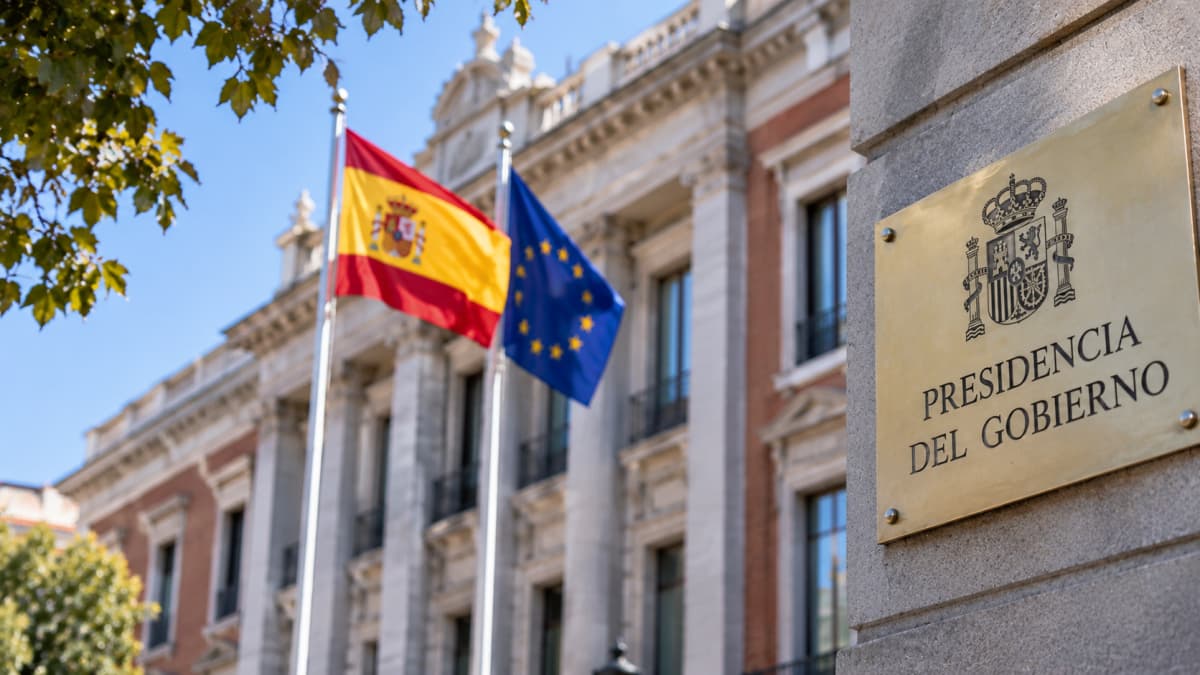
Spain has taken another major step toward tightening its regulation of vaping products and other nicotine alternatives. The country’s Council of Ministers approved a royal decree on November 24, 2026, amending Royal Decree 579/2017, which governs the manufacture, presentation, and commercial sale of tobacco products and related products.
According to Spain’s government announcement, the revised framework expands technical requirements for several categories of nicotine products. Reports from Spanish media indicate that the new rules will restrict e-cigarette flavors to tobacco and introduce tighter controls on nicotine pouches and heated herbal products.
One particularly important change concerns the proposed nicotine limit for nicotine pouches. According to Spanish newspaper La Razón, the latest known version of the decree sets a maximum of 4mg of nicotine per pouch, replacing the much lower 0.99mg limit originally proposed by the Ministry of Health.
However, as of November 25, the complete final text had not yet been confirmed in Spain’s Official State Gazette (BOE). The reported figures and implementation details should therefore be treated as provisional until the official publication becomes available.
Spain’s New Vape Rules: Tobacco Flavor Only and a Reported 4mg Nicotine Pouch Limit
The royal decree forms part of Spain’s Comprehensive Tobacco Prevention and Control Plan for 2024–2027. The broader policy aims to extend existing tobacco-control regulations to newer nicotine products while reducing their accessibility and appeal to minors.
Under the original proposal from Spain’s Ministry of Health, both nicotine-containing and nicotine-free e-cigarettes would fall within the regulatory framework. The draft also introduced requirements covering product ingredients, safety standards, packaging, and labeling.
The latest reports indicate that the flavor restriction will allow only tobacco-flavored e-cigarettes. Mint and other non-tobacco flavors would therefore be affected if the reported provisions are confirmed in the final decree.
Nicotine pouches and heated herbal products are also included in the expanded technical framework. For nicotine pouches, the reported adjustment from 0.99mg to 4mg per pouch represents a significant change from the original proposal.
Spain’s approach is also part of a wider European debate over how nicotine alternatives should be regulated and taxed. For more context, see our report on the EU nicotine tax reform and the proposed minimum duties on nicotine pouches.
Key Differences Between the Original Draft and the Reported Approved Version
| Regulatory area | Original Ministry proposal | Publicly reported approved version |
|---|---|---|
| E-cigarette flavors | Tobacco flavor only | Tobacco-only restriction reportedly retained |
| Nicotine-free vapes | Included in technical regulation | Reportedly retained |
| Nicotine pouch limit | 0.99mg per pouch | Reportedly increased to 4mg per pouch |
| Heated herbal products | Added as a regulated category | Reportedly retained |
| Manufacturer transition period | 10 months | Final details not confirmed |
| Retailer stock clearance period | 12 months | Final details not confirmed |
Sources: Spain’s Ministry of Health, EFE, and La Razón. Information available as of November 25, 2026.
If the 4mg limit is confirmed, some nicotine pouch products that would have exceeded the original 0.99mg threshold could remain within the permitted range. Products containing more than 4mg of nicotine per pouch would still face restrictions.
The final decree will be important for determining how manufacturers, importers, distributors, and retailers must adjust their product portfolios and compliance procedures.
Six EU Countries Raised Objections to Spain’s Original Nicotine Pouch Proposal
Spain submitted its draft amendment to the European Union’s Technical Regulations Information System (TRIS) on January 24, 2025. The notification was registered under reference number 2025/0044/ES.
The proposal attracted considerable attention from other EU member states. According to European Commission records, six countries submitted detailed opinions: Romania, Hungary, the Czech Republic, Greece, Italy, and Sweden. The European Commission and Croatia also submitted comments.
Following the objections, the regulatory standstill period was extended from April 28 to July 28, 2025.
Romania raised particular concerns about the proposed 0.99mg nicotine limit. Its government argued that the Spanish threshold was far below Romania’s existing 20mg standard and could effectively prevent the sale of nicotine pouches in Spain.
Romania also questioned whether such a restrictive national measure would be compatible with the EU principle of free movement of goods.
Spain’s National Commission on Markets and Competition (CNMC) also issued an assessment in April 2025. It called for stronger evidence to support certain proposed restrictions and emphasized that measures limiting business activity should comply with good regulatory practices.
Industry representatives expressed similar concerns. Tobacco Europe, a European tobacco and nicotine industry organization, submitted comments through the TRIS process, highlighting potential consequences for the manufacture, import, and distribution of e-cigarettes, nicotine pouches, and heated herbal products across the European market.
The reported increase to 4mg per pouch could indicate a change from the original approach, although the final regulatory text will be needed to establish the precise scope of the adjustment.
Spain’s national tax framework is developing alongside negotiations over a common European approach, as discussed in our coverage of the EU tobacco tax reform negotiations and the disagreement among member states.
Spain’s Vape and Nicotine Pouch Industry Generates €382 Million in Economic Value
The regulatory changes could have significant economic implications for Spain’s emerging nicotine alternatives market.
A study published on November 12 by Spanish economic consultancy Afi estimated that the e-cigarette and nicotine pouch industries generated €382 million in economic value in 2025.
The sectors also supported more than 5,400 jobs and contributed approximately €162 million in tax revenue, according to the report.
Regulatory uncertainty has already influenced business decisions in the Spanish market. In 2025, Marco Hannappel, Southern Europe regional president of Philip Morris International (PMI), said the company had postponed plans to launch its ZYN nicotine pouch brand in Spain because of uncertainty surrounding the regulatory environment.
In December 2025, the Spanish Nicotine Pouch Association (ABN), comprising more than 40 companies, was established. The organization called for a regulatory framework based on scientific evidence and proportionality.
These developments highlight the competing pressures facing Spanish policymakers: protecting public health and preventing youth access while establishing rules that businesses can follow and that remain consistent with the wider EU market.
Spain Already Applies Excise Duties to E-Liquids and Nicotine Pouches
The new royal decree is not Spain’s only regulatory measure affecting alternative nicotine products. The country introduced an excise tax system in 2025 covering e-liquids, nicotine pouches, and other non-medicinal nicotine products.
Under the existing tax structure:
-
E-liquids without nicotine and those containing no more than 15mg of nicotine per milliliter are taxed at €0.15 per milliliter.
-
E-liquids containing more than 15mg of nicotine per milliliter are subject to €0.20 per milliliter.
-
Nicotine pouches and other relevant nicotine products are taxed at €0.10 per gram.
These taxes add another compliance and cost consideration for companies operating in Spain. Manufacturers and distributors will need to assess the combined impact of product standards, flavor restrictions, nicotine limits, and excise duties.
Spain’s Disposable Vape Ban Is Part of a Separate Legislative Process
The newly approved royal decree should not be confused with Spain’s separate effort to amend its 2005 Tobacco Control Law.
That legislative process includes proposals to prohibit the sale and supply of disposable e-cigarettes, expand smoke-free areas, and strengthen controls on the sale, consumption, and advertising of tobacco and related products.
The proposed amendments received Cabinet approval in July 2026 and were subsequently submitted to Parliament for consideration. However, according to EFE, the parliamentary process was interrupted following the decision to hold an early general election.
This means Spain’s regulation of vaping products is progressing through more than one legal route. The royal decree focuses on technical requirements and product characteristics, while the separate amendment to the Tobacco Control Law addresses broader issues such as disposable vape sales, public spaces, and commercial promotion.
For manufacturers and retailers, the distinction matters because the two processes may have different approval procedures, implementation dates, and transition arrangements.
What Spain’s New Regulations Could Mean for the European Vape Market
Spain’s latest regulatory decision could become an important development for the wider European nicotine industry.
The reported tobacco-only flavor rule would significantly narrow the range of e-cigarette products available in the Spanish market. Meanwhile, a 4mg nicotine pouch limit would be less restrictive than the original 0.99mg proposal, although it would still impose a defined ceiling on product strength.
The economic figures published by Afi also illustrate why the regulatory debate extends beyond public health policy. Thousands of jobs, hundreds of millions of euros in economic activity, and substantial tax contributions are connected to these product categories.
For now, businesses should avoid treating the reported 4mg limit, transition periods, or other draft provisions as fully confirmed legal requirements. The complete text published in the BOE will be essential for identifying the final rules, effective dates, product exemptions, and compliance deadlines.
The next key step is the publication of the final royal decree in Spain’s Official State Gazette. Until then, the reported changes provide an indication of the government’s direction but do not replace the legally authoritative text.