









Traditionally, the “Pro” name was tied to larger-screen models. But this time, Xiaomi has redefined the lineup—introducing the Pro Max as the large-screen “all-round technological imaging flagship,” while the 17 Pro takes a different direction. It is positioned as an “exquisite small-sized imaging flagship,” aiming to deliver the ultimate user experience in a compact form.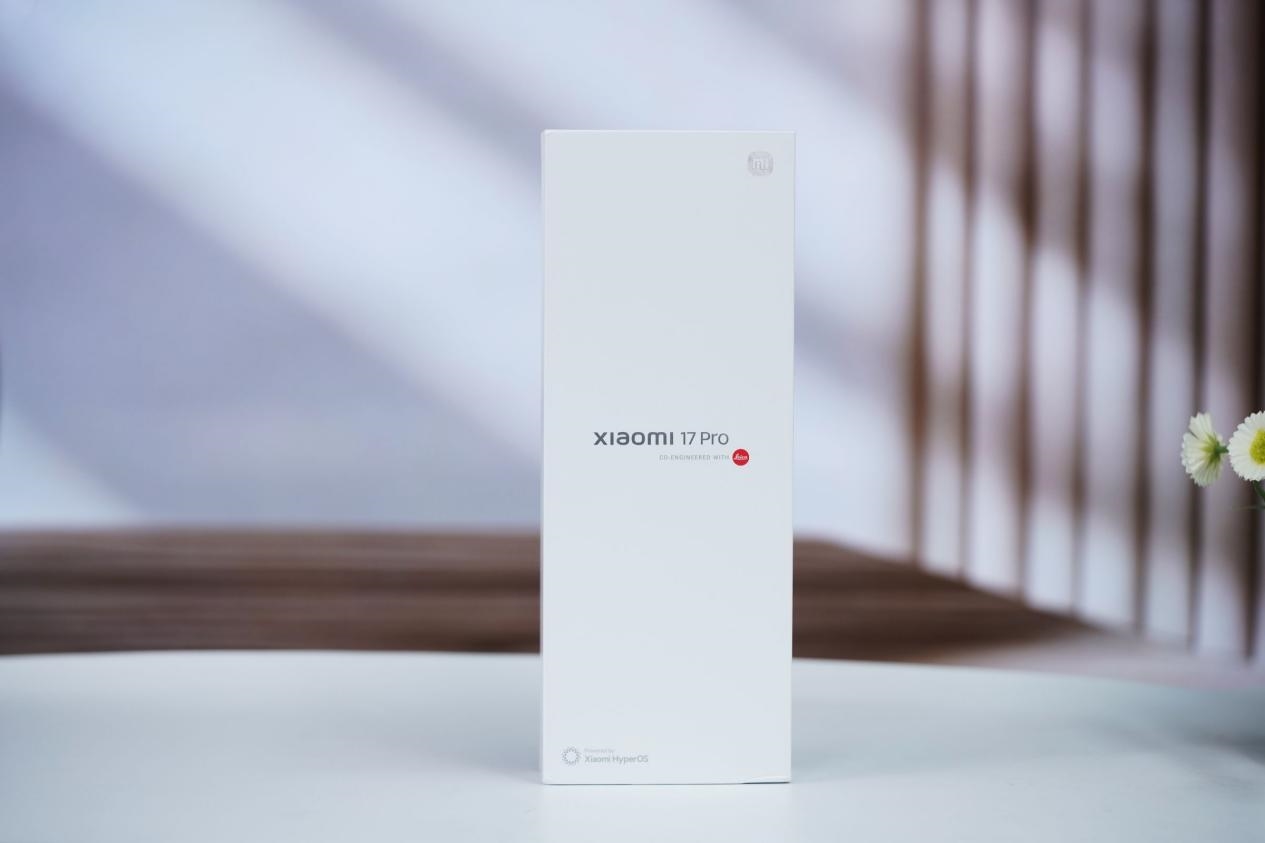
The Pro label here represents more than just hardware—it symbolizes uncompromising quality, advanced stacking, and Xiaomi’s mastery in balancing big and small devices. With the 17 Pro, Xiaomi has finally launched its first true small-screen Pro—a device full of a unique design philosophy tailored for compact flagships.
Before diving into the details, let’s start with the core takeaway:
Compared to Xiaomi’s past flagship pairs, the gap between the Xiaomi 17 Pro and the Pro Max has never been smaller.
The Xiaomi 17 Pro sports a 6.3-inch screen and weighs 192g, while the Pro Max comes in at 6.9 inches and 219g. This difference isn’t a compromise—it’s a feature. The smaller screen and lighter weight make the 17 Pro noticeably more comfortable for one-handed use, something the Pro Max’s larger size simply can’t replicate.
Due to space limitations in its smaller body, the 17 Pro skips a periscope telephoto module. Still, Xiaomi managed to equip it with a 5X optical zoom lens, delivering impressive detail capture at a distance. For everyday high-end imaging needs, it performs more than adequately.
While still using a Pentile pixel arrangement, the 17 Pro’s smaller screen and higher resolution give it sharpness on par with the Pro Max’s advanced sub-pixel structure. The result is a crisp, detailed viewing experience.
A smaller phone usually struggles with thermal management, but Xiaomi overcame this with a 4,637mm² heat dissipation system inside the compact body—14.4% larger than even the previous large-screen Pro. In demanding gaming or video shooting sessions, it maintains stable performance without overheating.
Despite its smaller frame, the 17 Pro houses the same L-shaped 6,300mAh battery as the Pro Max—200mAh larger than the previous generation. For a small device, this is a standout achievement and sets a new bar for compact flagship endurance.
Strip away the minor differences caused by size, and the Xiaomi 17 Pro is essentially a condensed Pro Max. It carries the same flagship chipset, interaction logic, and performance tuning, packed into a smaller and lighter design.
In short, the Xiaomi 17 Pro truly embodies the concept of “small body, big flagship experience.
Next, let’s dive deeper into this compact powerhouse and see what kind of surprises it holds.
Design and Display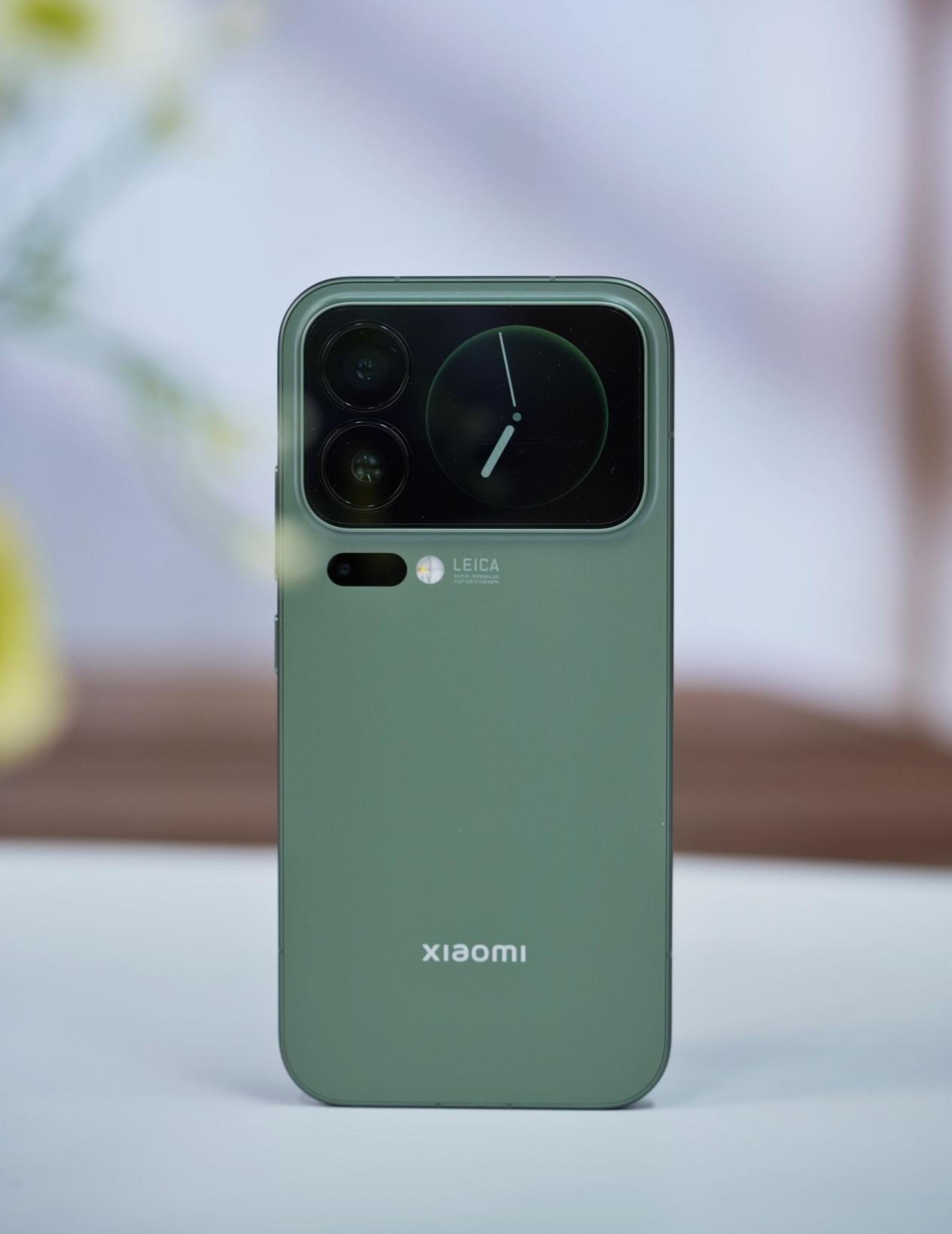
Xiaomi has finally launched its first compact “Pro” smartphone, the Xiaomi 17 Pro, which combines a premium build and a 5X telephoto lens in a smaller design.
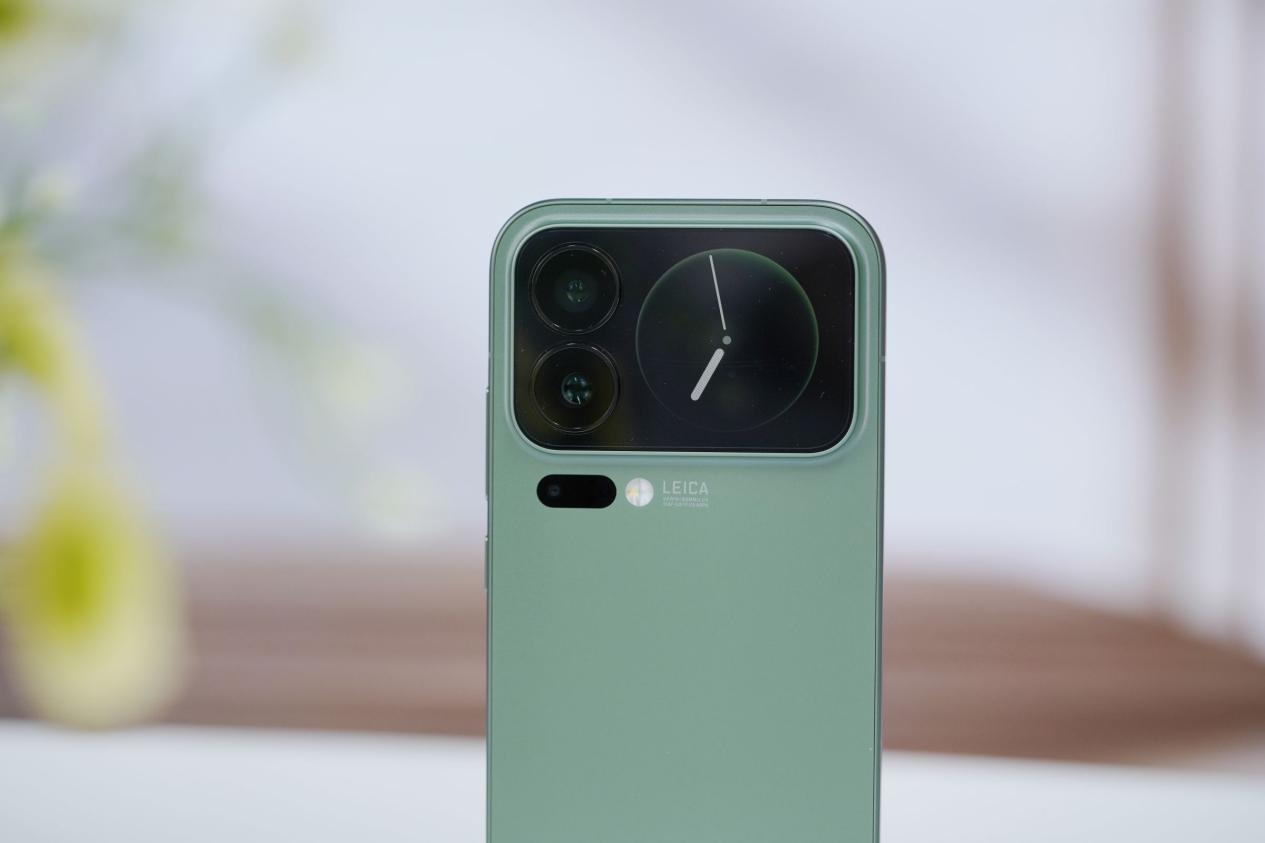
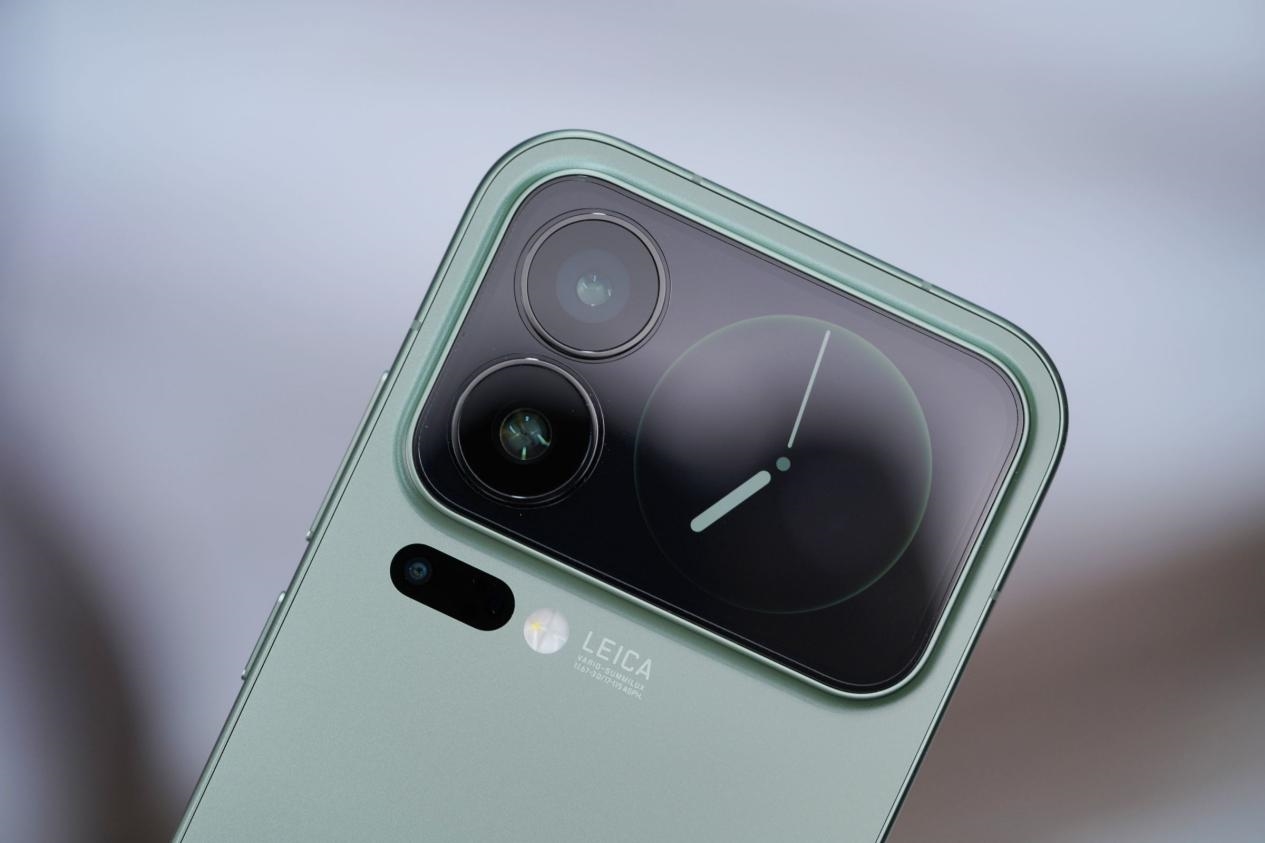
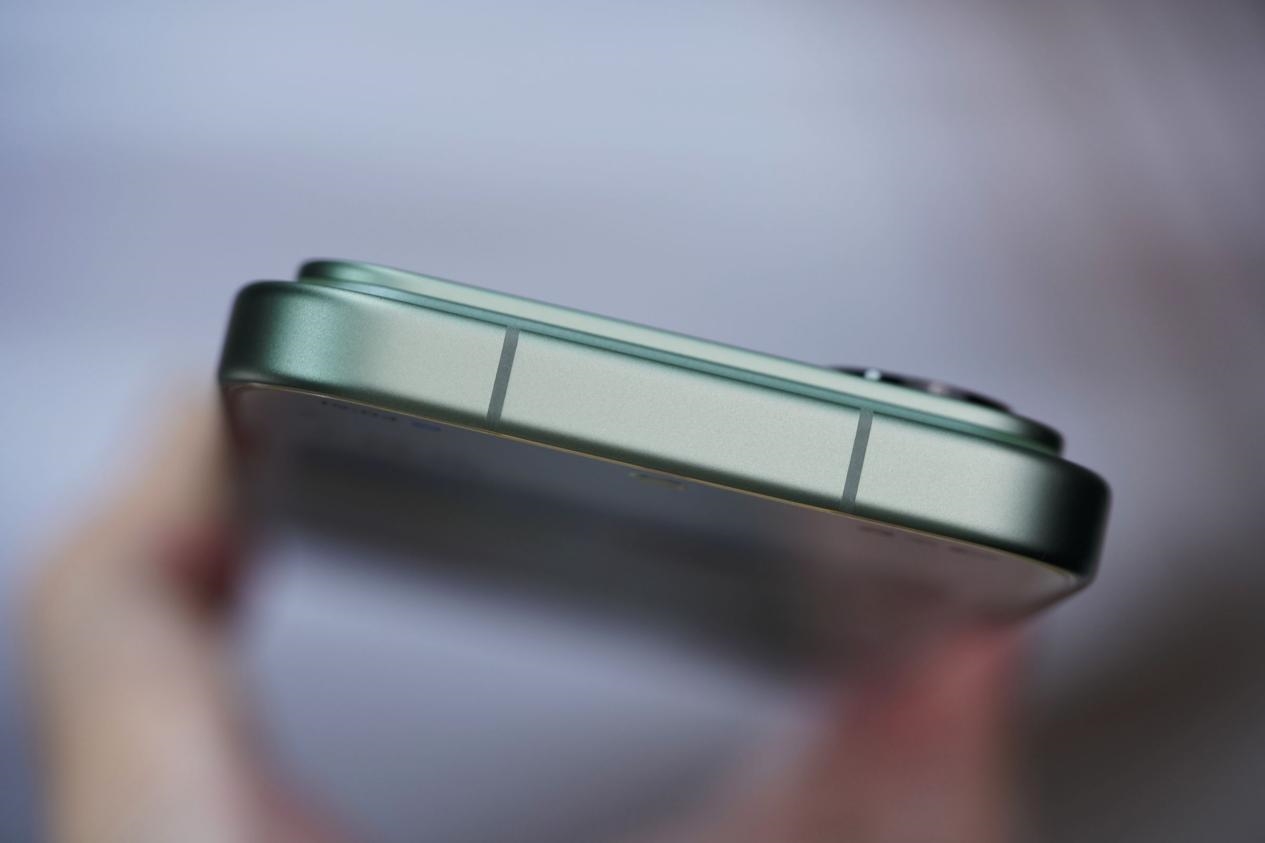
Our review unit came in “Forest Green,” a deep, nature-inspired color with a finely textured matte finish. The phone’s compact 6.3-inch size is very comfortable to hold, making it ideal for one-handed use.
One minor critique is that the transition between the metal frame and the back panel feels a bit sharp, not as seamless as the design on the Pro Max model.
Display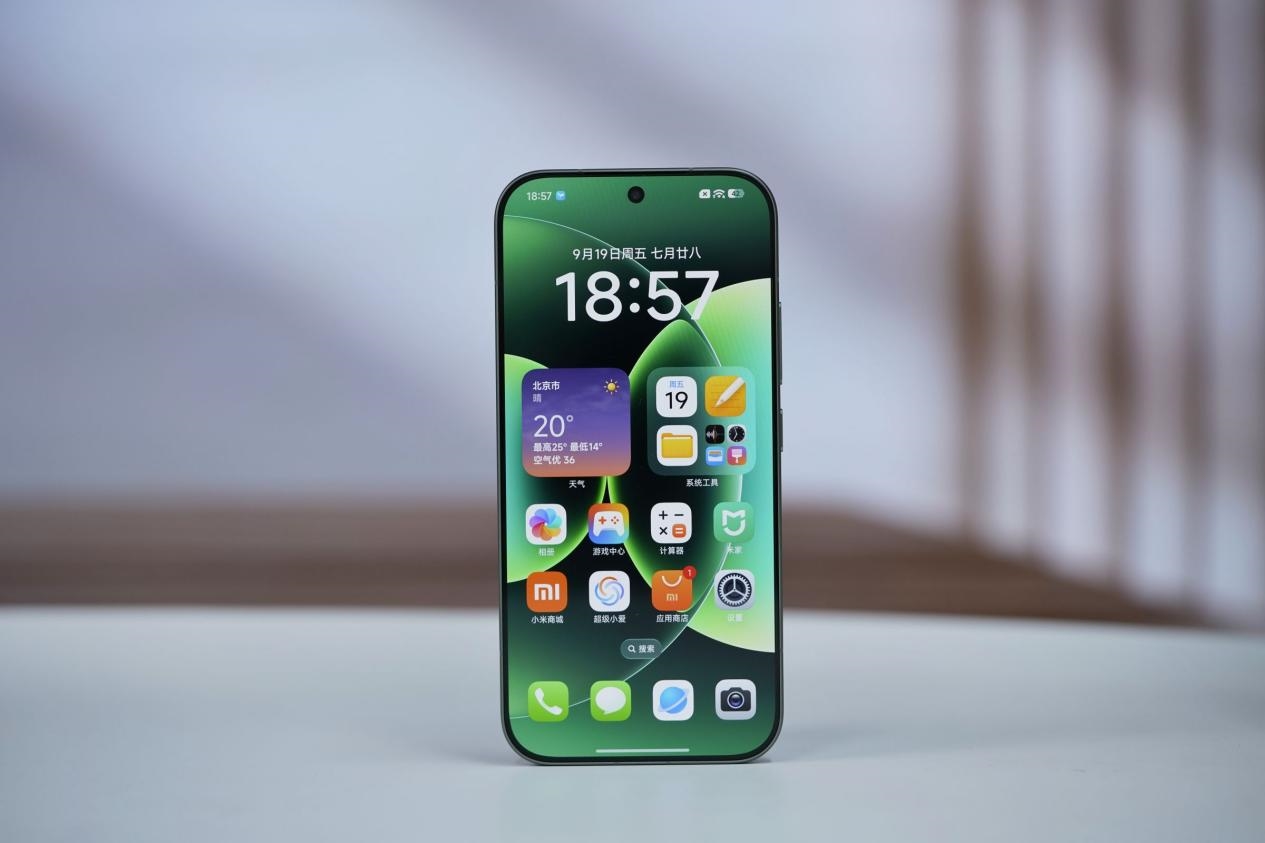
The 6.3-inch screen has a resolution of, which creates a sharp pixel density of 460 PPI. It features a new M10 luminous material that is 6.8% more efficient than previous top-tier materials. Although it uses a standard Pentile pixel arrangement, the high resolution effectively compensates for it, ensuring a clear and detailed picture.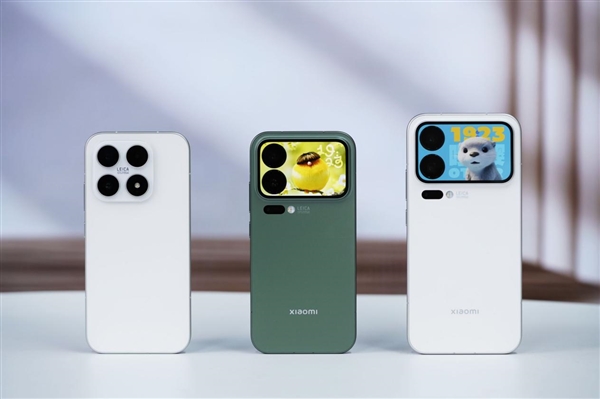
- Cameras: The rear camera module layout is identical to the 17 Pro Max, with a main camera, ultra-wide lens, and a secondary back screen. The key difference is the telephoto lens, which is a multi-fold floating 5X optical zoom instead of a periscope lens.
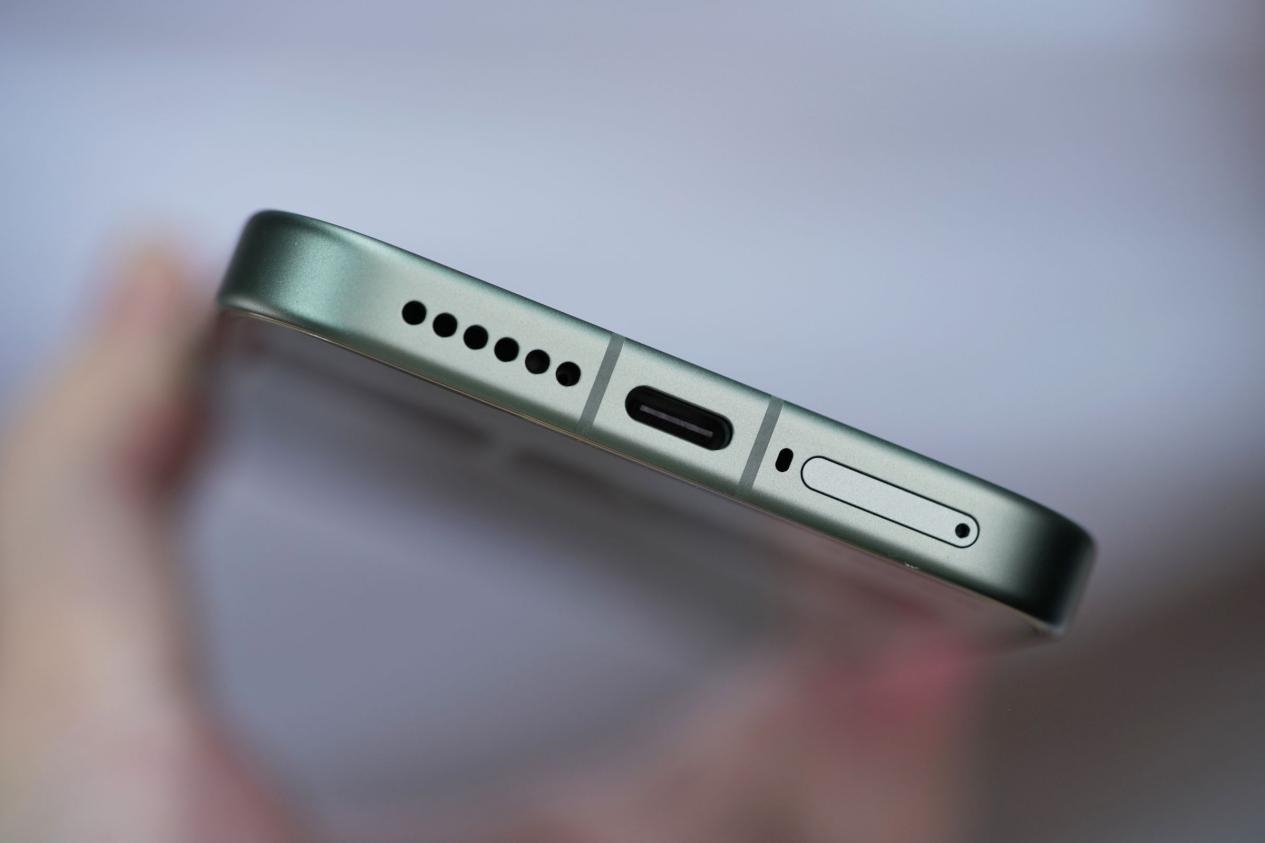
- Ports: The bottom of the phone includes a speaker, a 5Gbps Type-C port, a microphone, and the SIM card slot.
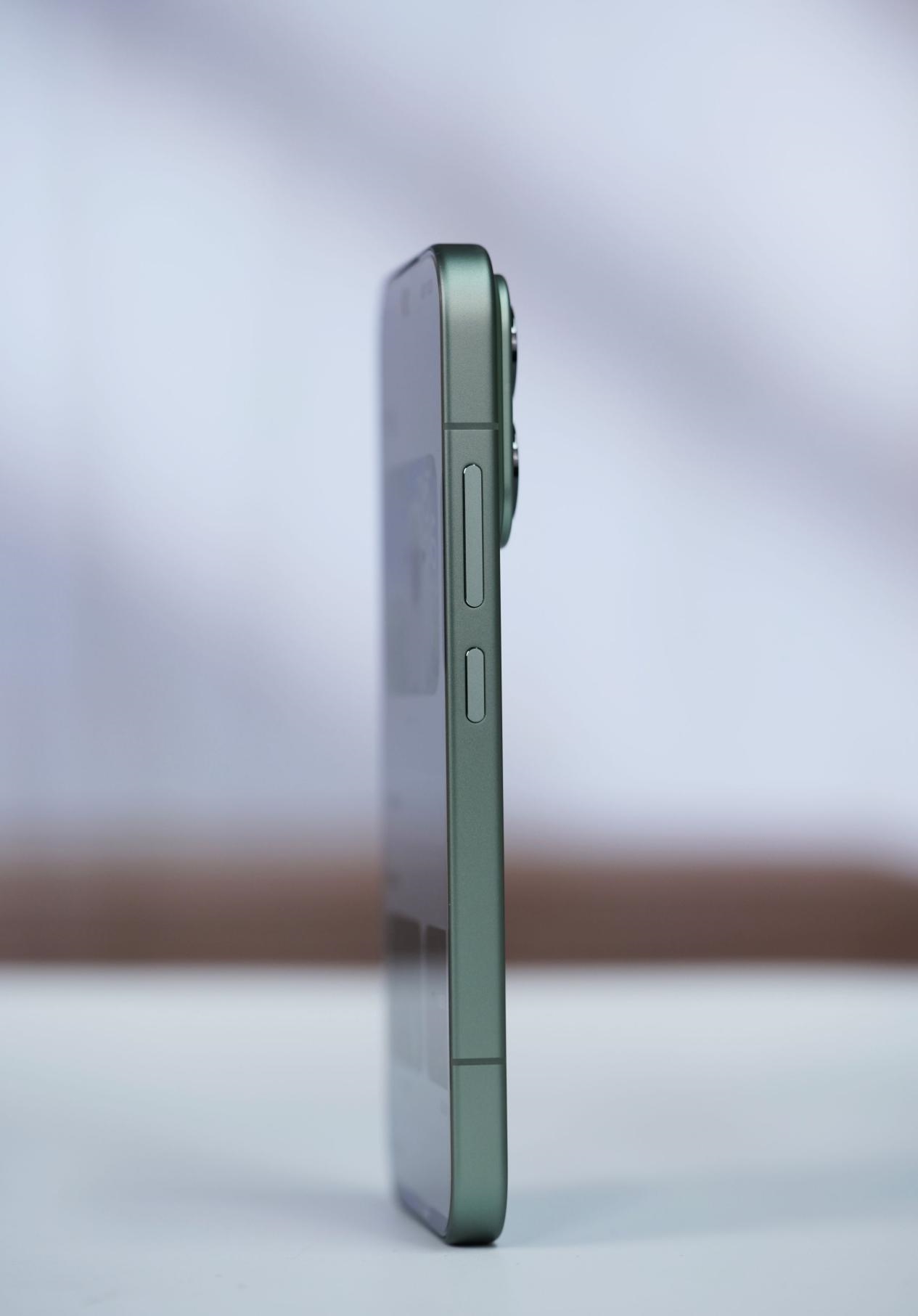
- Speakers & Buttons: The top speaker is hidden at the edge of the screen. The power and volume buttons are located on the right side of the frame.
Cameras
The Xiaomi 17 Pro carries the same flagship main camera as the 17 Pro Max—the 50MP Xiaomi Light Hunter 950L. Equipped with LOFIC third-generation high dynamic range technology, it delivers an impressive 16.5EV single-frame output. It fully lives up to the name “King of Backlighting.”
When it comes to telephoto, the 17 Pro doesn’t hold back either. Featuring a 5X optical zoom, it’s capable of capturing both faraway landscapes and intricate architectural details with ease. Even better, its telephoto lens supports macro shooting from as close as 20cm, making it highly versatile.
We tested both the main and telephoto cameras with real-world shots, and here’s what stood out:
Main Camera
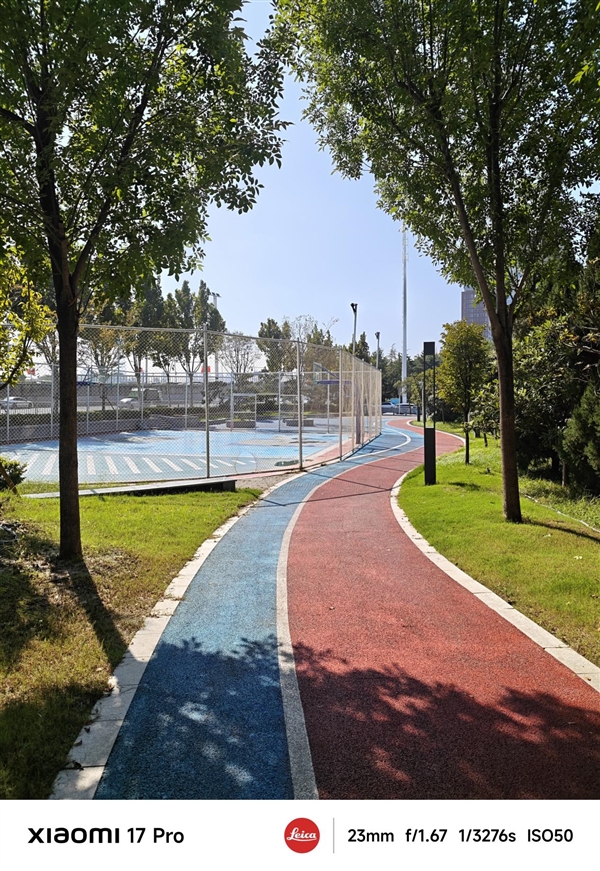
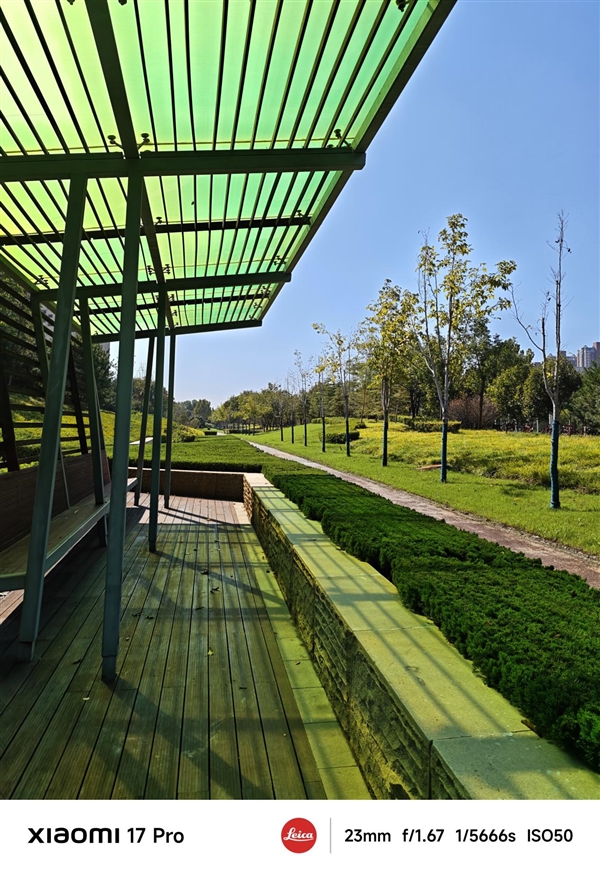
In daylight scenarios, whether facing direct sunlight or shooting against the light, the results are consistently excellent. Highlights remain controlled without overexposure, while darker areas retain depth, detail, and texture.
Telephoto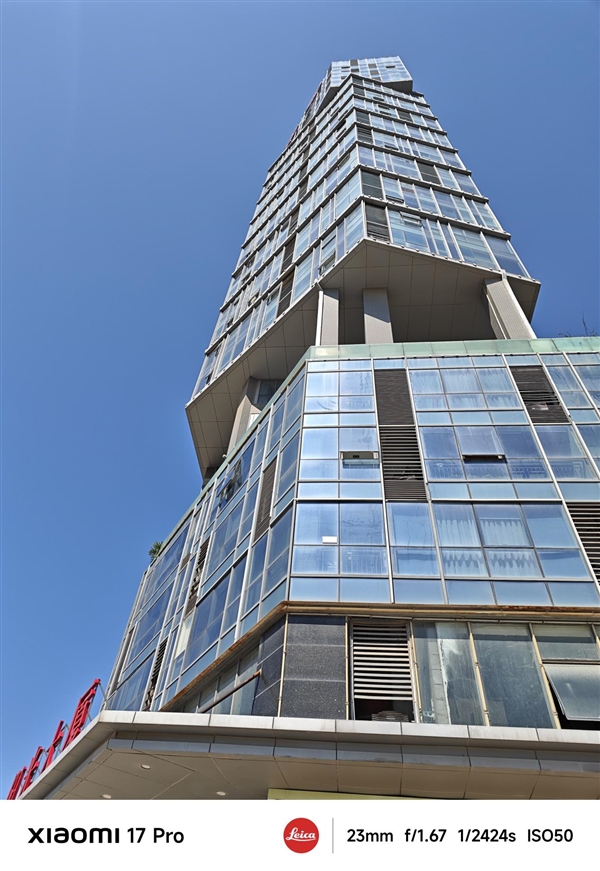
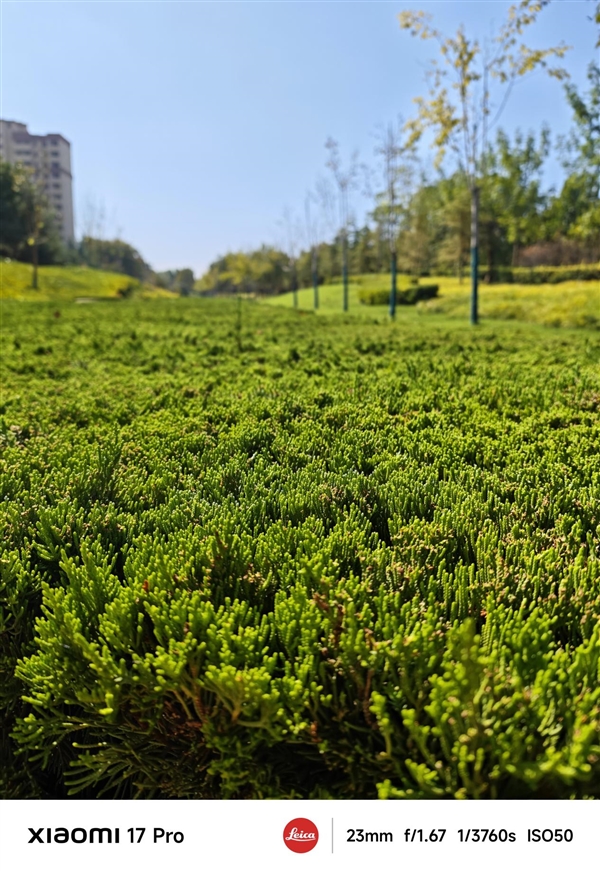
The 5X optical zoom lens proves to be exceptional. Distant buildings are rendered with remarkable clarity, while macro close-ups reveal fine textures—like shrubs and leaves—with rich saturation and lifelike color.
Night Photography
Low-light performance is equally impressive. The main camera produces sharp, detailed shots with minimal noise, even in challenging conditions. The telephoto lens holds up well, too, especially when paired with illuminated backgrounds, ensuring clean and vivid night captures.
Battery
The Xiaomi 17 Pro series debuts with the Xiaomi Jinshajiang battery, featuring a high 16% silicon content for improved energy density.
A new L-shaped battery design has also been introduced, making smarter use of the phone’s internal space. Thanks to this optimization, the uniquely shaped section adds an extra 720mAh of capacity. As a result, the Xiaomi 17 Pro manages to house a 6300mAh battery inside a compact 6.3-inch body—that’s 900mAh more than the Xiaomi 15 and even 200mAh larger than the 15 Pro.
Powering this is Xiaomi’s Surge P3 charging chip, supporting 100W wired fast charging and 50W wireless charging. On paper, the numbers look impressive, but let’s see how it performs in real-world tests.
Battery Life Test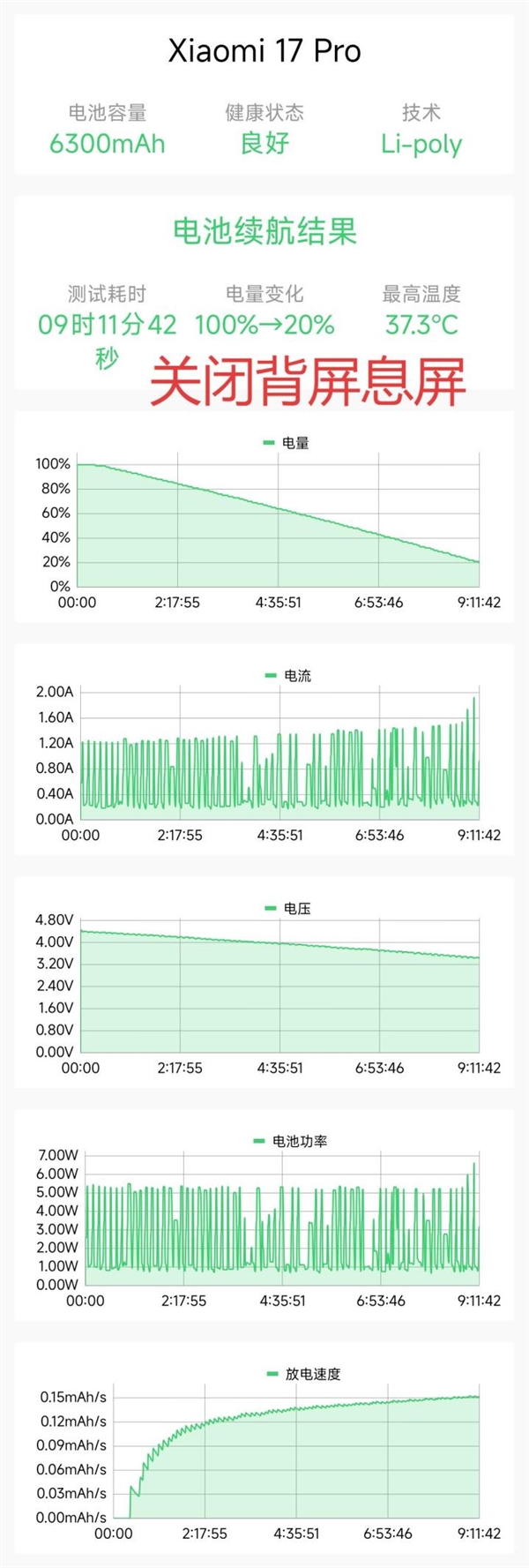
For endurance testing, we used Battery Dog, a tool developed by Fast Technology. The test simulates real-world usage by running a mix of tasks like CPU stress (high voltage and multi-threading), AI recognition, web browsing, video playback, and image viewing. The test cycle measures power drain between 100% and 20% to reflect everyday scenarios best.
To ensure consistency, the environment was standardized across all tested models: screen brightness was fixed at 50%, auto-brightness was disabled, and the volume was set to 30%.
Since the Xiaomi 17 Pro has a rear display, we tested battery life with the back screen both enabled and disabled. The difference turned out to be minimal—keeping the back screen on shortened usage by just 16 minutes, a margin small enough to count as test variance.
With the rear screen off, the Xiaomi 17 Pro lasted 11 hours and 28 minutes, essentially delivering about 11.5 hours of continuous use on a single charge.
Charging Test
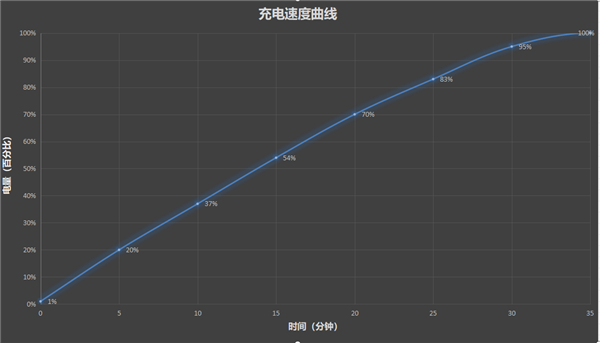
Charging was tested at room temperature (25°C), starting from 1% battery with rapid charging enabled. Data was recorded at 5-minute intervals.
The results were impressive:
- 5 minutes → 20%
- 10 minutes → 37%
- 20 minutes → 70%
- 35 minutes → 100% (full charge)
That means the massive 6300mAh battery can go from nearly empty to full in just 35 minutes. Xiaomi’s 100W Surge Super Charge truly lives up to its name.
Performance Test
The Snapdragon 8 Gen 5 Extreme Edition needs little introduction. With its 2 super cores and 6 performance cores, it pushes clock speeds up to an impressive 4.6GHz.
The new Adreno GPU comes with a massive 18MB graphics cache—a 50% increase over the previous generation. Built on TSMC’s advanced 3rd-gen 3nm N3P process, the CPU’s super core power consumption is reduced by up to 35%, while the GPU drops by as much as 30%.
Pair this with LPDDR5X memory at 9600Mbps and UFS 4.1 storage, and you’ve got a powerhouse “performance triangle.”
Despite being a compact 6.3-inch device, the Xiaomi 17 Pro houses a 4637mm² ultra-large cooling module, ensuring smooth gaming and photography without heat worries.
Now, let’s dive into real-world benchmarks and gaming tests.
Benchmark Tests
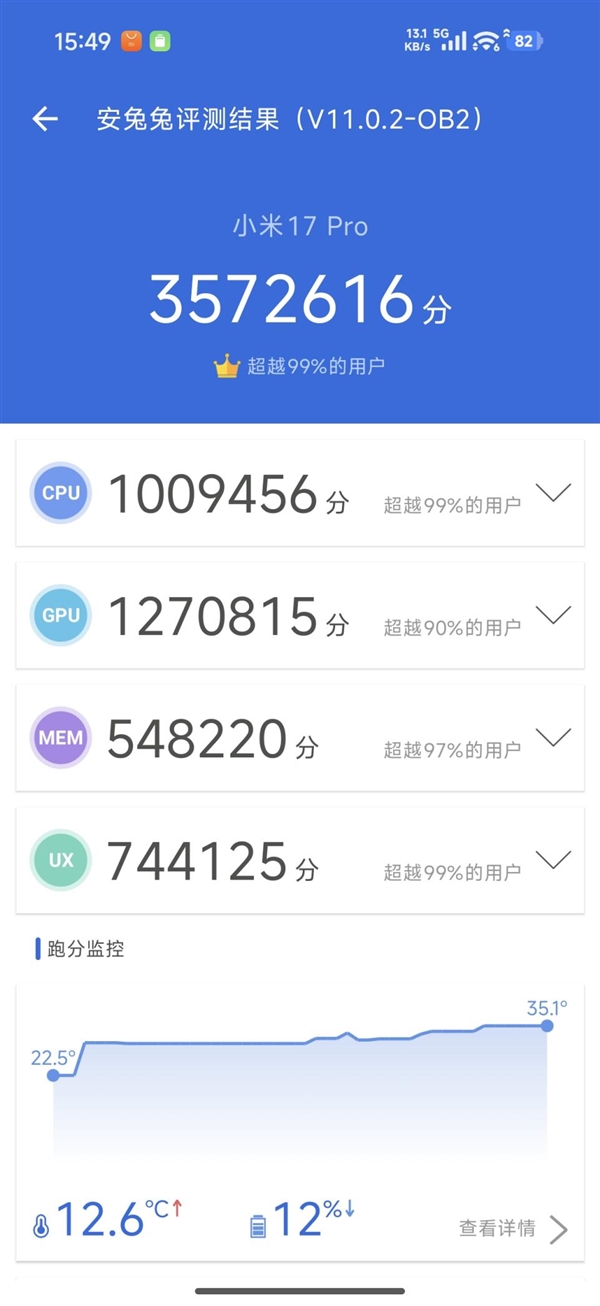
-
AnTuTu: The Snapdragon 8 Gen 5 Extreme Edition scores 3.57 million points overall, with CPU + GPU contributing 2.28 million points.
-
GeekBench 6.5: The CPU delivers 3479 in single-core and 10,526 in multi-core tests.
This confirms the Xiaomi 17 Pro as a true compact performance beast.
Gaming Performance
We tested three titles—Honor of Kings, Genshin Impact, and Honkai Impact 3rd—covering low, medium, and high workloads. Tests were run with the phone charged close to full, extended memory and back screen off, and high performance mode enabled.
Honor of Kings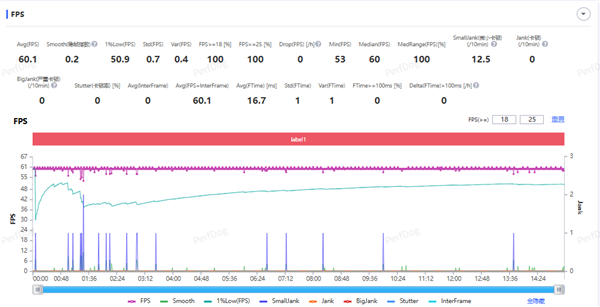
- Runs at max settings with 120fps enabled.
- Average frame rate: 120.2fps, fluctuation index 0.1, 1% low 108fps.
- Average power draw: 3.16W (26.4mW per frame).
- Temperature after 10 minutes: only 33.9°C.
Result: Ultra-smooth gameplay with almost zero heating.
Genshin Impact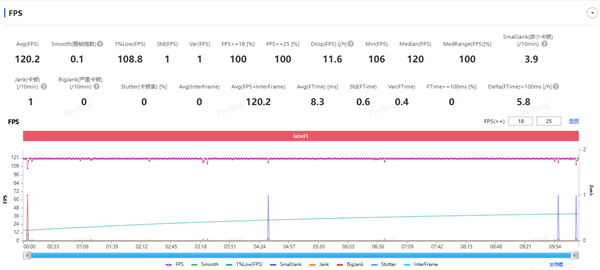
- Tested at highest settings, 60fps, motion blur off.
- Average frame rate: 60.1fps, 1% low 50.9fps, stability index 0.2.
- Average power consumption: 3.71W (61.9mW per frame).
- Device temperature after 15 minutes: 37.8°C.
Result: Perhaps the most stable Genshin performance ever on mobile, with cool thermals.
Honkai Impact 3rd (Sky Rails)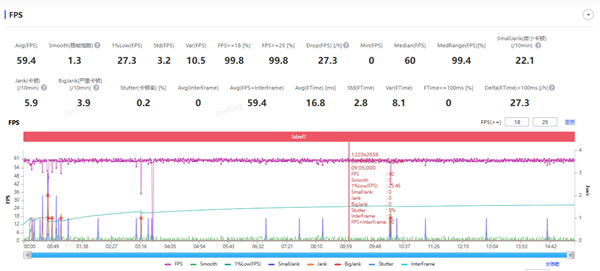
- Tested at highest settings, 60fps.
- Average frame rate: 59.4fps, 1% low 27.3fps, stability index 1.3.
- Some dips early on, but stabilizes later.
- Average power draw: 6.04W (101mW per frame).
- Max temperature after 15 minutes: 41°C.
Result: Demands higher power due to full-resolution 1220×2556 rendering, but heat is still well-controlled.
Verdict
As we wrap up this review, the big question is: what do you think of Xiaomi’s first compact Pro model?
By breaking away from the tradition of reserving the “Pro” badge for large-screen devices, the Xiaomi 17 Pro brings a refreshing surprise to those who have long awaited a true small-screen flagship. At just 6.3 inches, it condenses the essence of a large-screen flagship into a compact form, delivering uncompromised flagship performance in a smaller body.
The display features a 6.3-inch “golden size” panel with 1.5K resolution, 460 PPI pixel density, a slim weight of 192g, and the latest M10 luminous material for sharper, richer visuals.
On the photography side, the Xiaomi 17 Pro doesn’t cut corners. It shares the same Light Hunter 950L sensor as the Pro Max, boasting dynamic range beyond the human eye and a versatile 5X telephoto zoom that captures detail beautifully, whether it’s sweeping cityscapes or delicate close-ups.
Battery life is another highlight: the innovative L-shaped 6300mAh battery fits neatly inside the slim frame, paired with the Surge P3 chip and 100W wired fast charging, bringing a full recharge in just 35 minutes.
Performance-wise, the fifth-generation Snapdragon 8 Extreme Edition, with its 4600mm² cooling area and peak output over 350W, ensures effortless gaming and multitasking, proving that small size doesn’t mean small power.
Xiaomi has gone all-in with its first small-sized Pro, showing that a compact phone can still be a no-compromise flagship. For those who love the feel of a smaller device but don’t want to sacrifice high-end features, the Xiaomi 17 Pro is a rare gem that’s absolutely worth considering.