










Positioned as the “Professional Vivo Singer,” the Vivo X300 Ultra has officially arrived, bringing a massive hardware overhaul compared to the previous X200 Ultra. This isn’t just an incremental update; it’s a full-scale reimagining of what an Android flagship can do.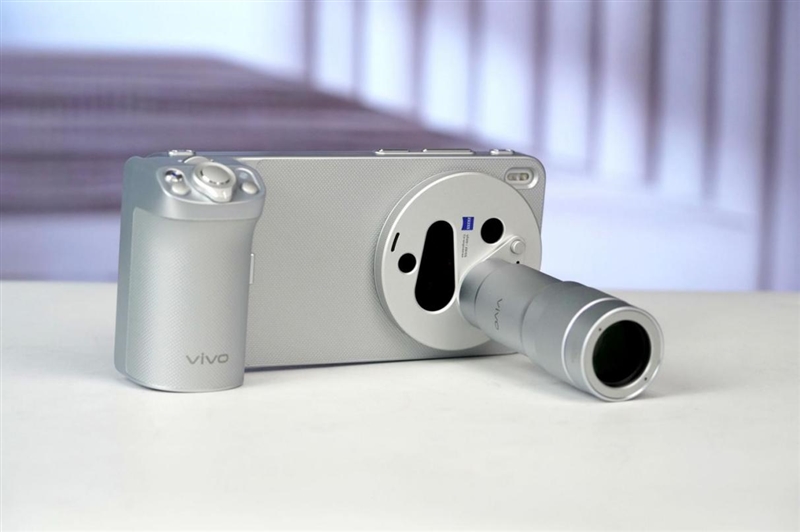
For Vivo fans who have been waiting for the “ultimate imaging machine,” the wait is over. Here is a deep dive into why this device is setting a new benchmark for 2026.
Performance
The X300 Ultra is the first to debut the Snapdragon 8 Ultra (5th Generation) processor, built on a highly efficient 3nm process. The performance jumps are significant:
- CPU Performance: Increased by 18%
- GPU Performance: Increased by 22%
- Power Efficiency: Consumes 15% less energy
When you pair this silicon with LPDDR5X Ultra memory and UFS 4.1 flash storage, the result is a phone that handles everything with zero friction. Whether you’re juggling 20 apps, playing the latest AAA mobile titles at max frame rates, or exporting 4K video, the X300 Ultra remains cool and responsive.
The 200MP Revolution: A Camera Without Weaknesses
The standout feature is undoubtedly the camera system—the world’s first to feature a 200MP triple-camera array.
-
Main Camera: Features the Sony LYT-901 sensor (1/1.12-inch). With a 35mm focal length optimized for portraits and an f/1.85 aperture, it captures depth and light in a way that rivals dedicated mirrorless cameras.
-
The Periscope Telephoto: vivo has integrated the Samsung ISOCELL HP0 sensor, boosting light intake by 30%. With CIPA 7.0 gimbal-level OIS, handheld shots at high zoom are remarkably stable.
-
Zeiss Teleconverters: The X300 Ultra introduces physical 200mm and 400mm Zeiss teleconverters. This allows for a staggering 14-400mm focal range, making it a dream for sports, concerts, and wildlife photography.
Display and Battery
The visual experience is handled by a 6.82-inch 2K LTPO AMOLED screen. It supports a buttery-smooth 144Hz refresh rate and utilizes 2160Hz PWM + DC dimming to reduce eye strain during late-night use.
To power this tech, vivo packed in a 6600mAh Blue Ocean Battery. Even with heavy use, the battery lasts well into a second day. When you do need to top up, the 100W wired and 40W wireless charging options get you back in the game quickly.
Redefining Mobile Cinematography
It’s not just about the hardware; it’s about the science of color. The Blueprint Original Color Camera system ensures pixel-level accuracy, while the Blueprint Color Palette lets you customize film textures on the fly.
For creators, the device supports 4K 120fps Dolby Vision across all focal lengths. The “Professional Recording Mode Pro” provides the granular control needed to turn a quick clip into a cinematic masterpiece.
Design & Build Quality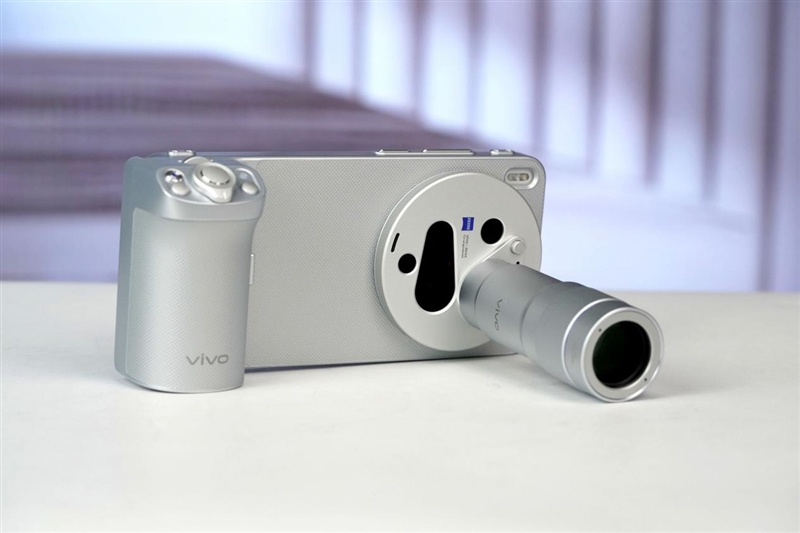
The unboxing experience begins with a massive, matte-black “Photographer Set” box. The front features a signature circular pattern that mirrors Vivo’s iconic “Oreo” camera DECO, finished with sleek silver lettering. Inside, a personalized message greets users, setting the stage for a device built on “imaging ritual.”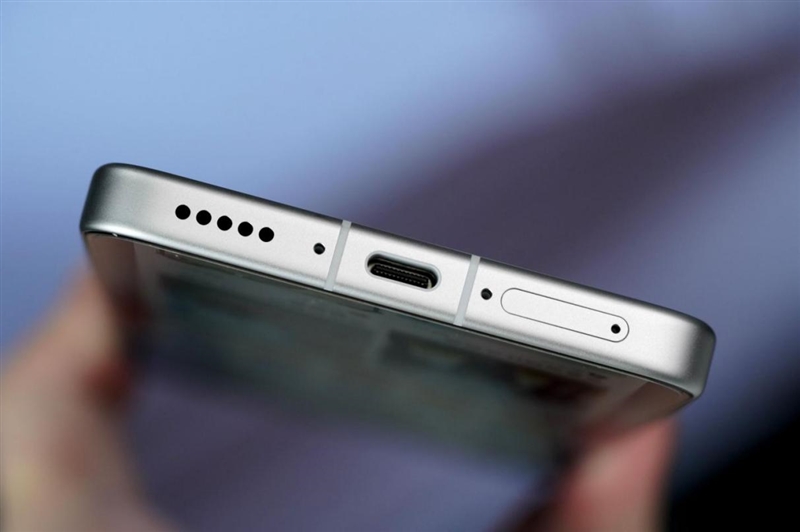
-
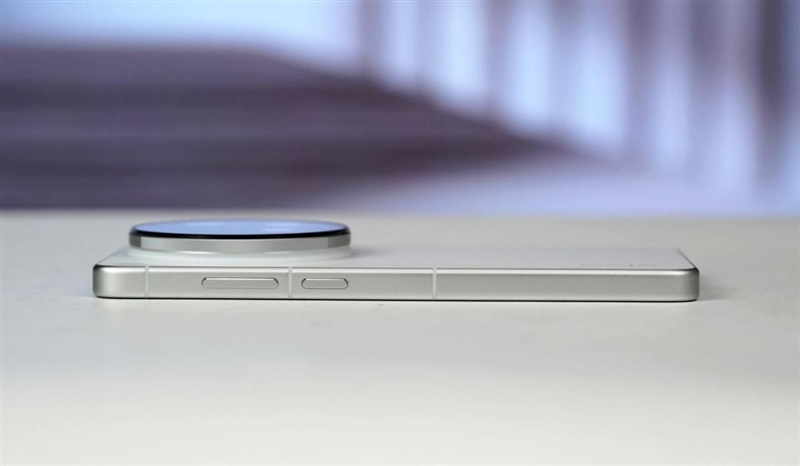
Ergonomics: The X300 Ultra features a sleek, right-angled aluminum frame that allows it to stand vertically on flat surfaces—a nod to its camera-first identity. Large rounded corners ensure the device remains comfortable during long handheld shooting sessions.
-
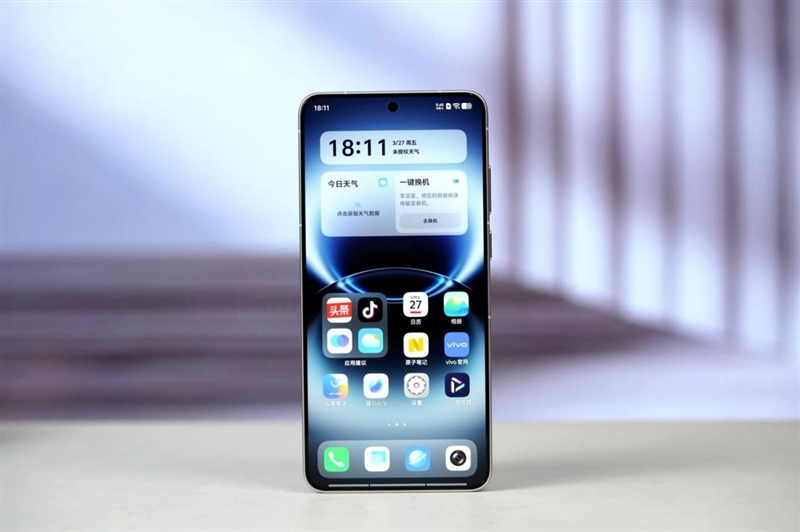
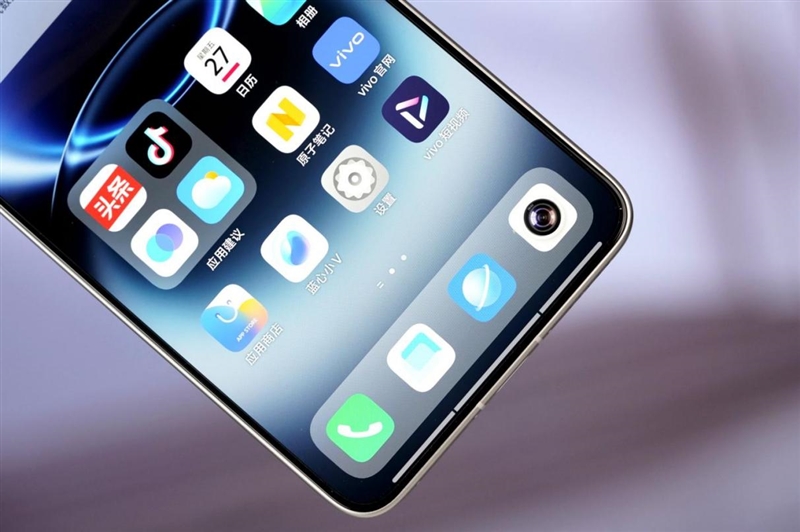
Display: A stunning 6.82-inch 2K AMOLED display dominates the front. With ultra-narrow bezels and a 144Hz refresh rate, the screen serves as a crystal-clear digital viewfinder.

-
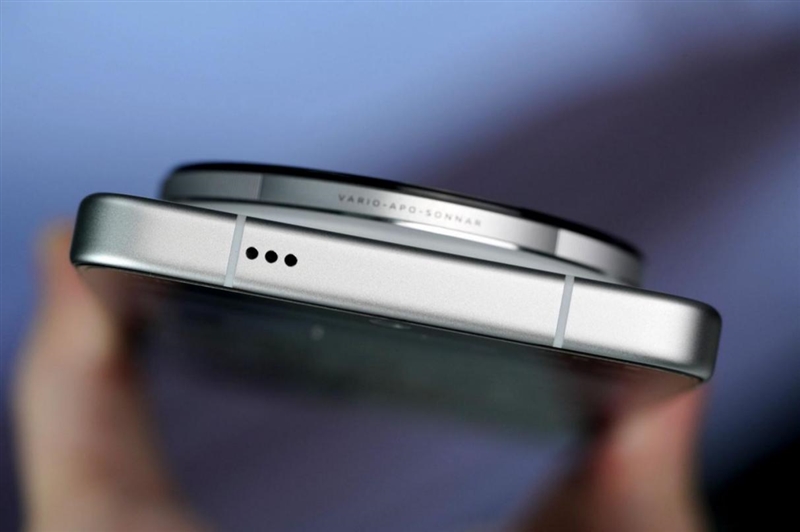
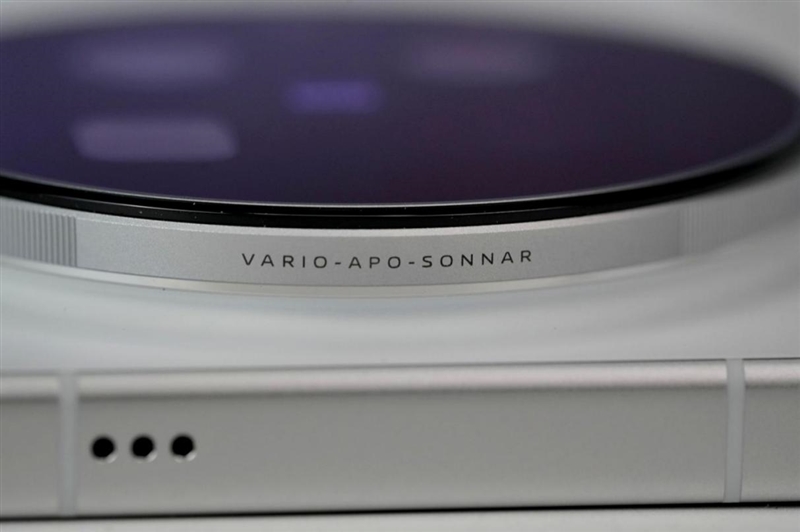
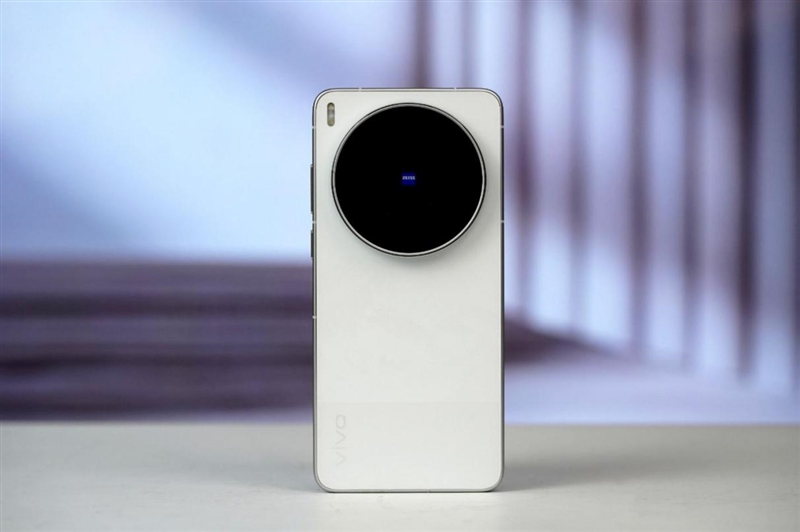
The Camera DECO: The rear is anchored by the classic circular module, housing the Zeiss T coating* and the legendary blue logo. The side of the DECO features fine knurling, mimicking the tactile feel of a high-end camera lens filter.
Professional Optical Hardware
The “crown of glory” for this flagship is its thickness. To accommodate the Sony LYT-901 1-inch sensor and the periscope system, the lens housing is intentionally prominent.
| Feature | Specification |
| Main Sensor | 200MP Sony LYT-901 (f/1.9, OIS) |
| Telephoto | 200MP Samsung ISOCELL HP0 (3.7x Optical) |
| Special Optics | APO Achromatic & Aspherical (ASPH) Lenses |
| Finish | Shimmering “Snow Mountain” Silver with frosted frame |
The horizontal placement of the Vivo logo on the back panel encourages a landscape orientation, signaling that this phone is meant for serious photography rather than casual vertical snaps.
Transforming Mobile into DSLR
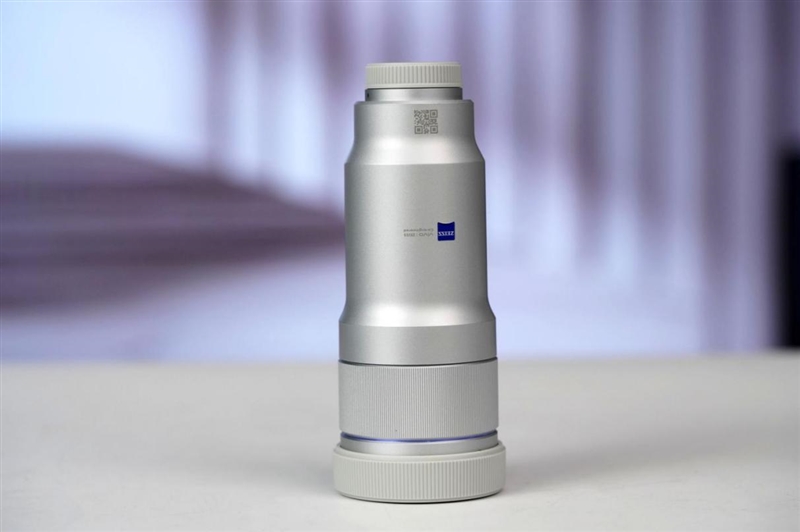
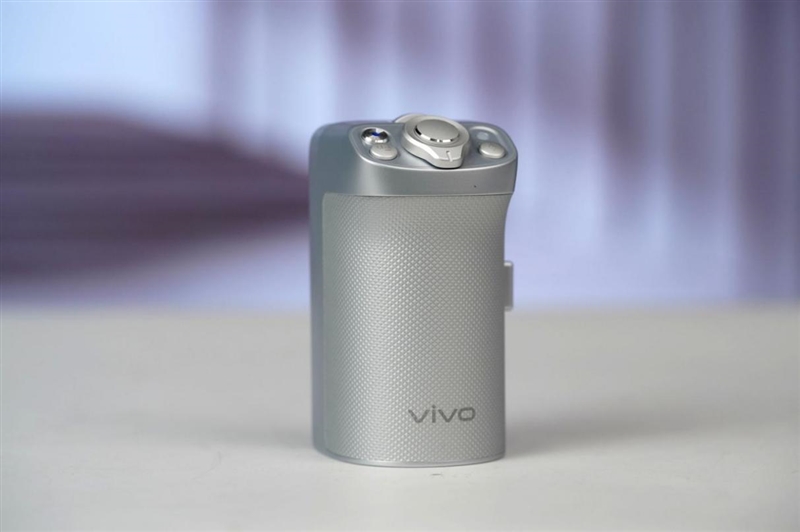
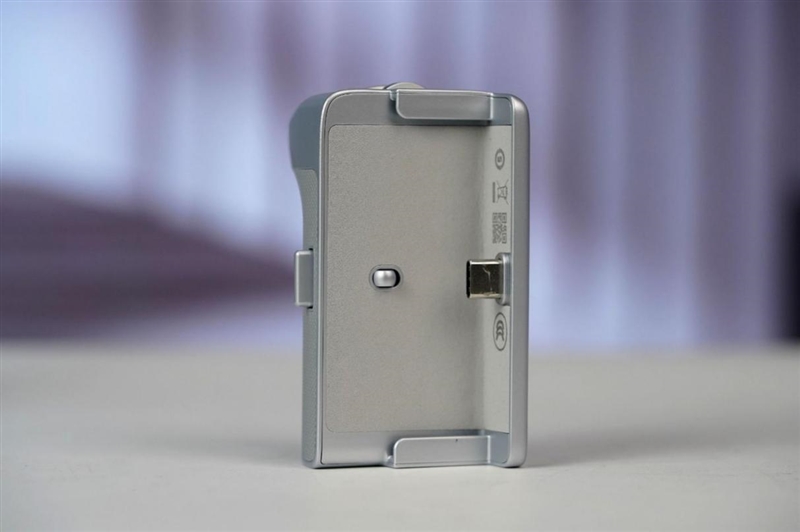
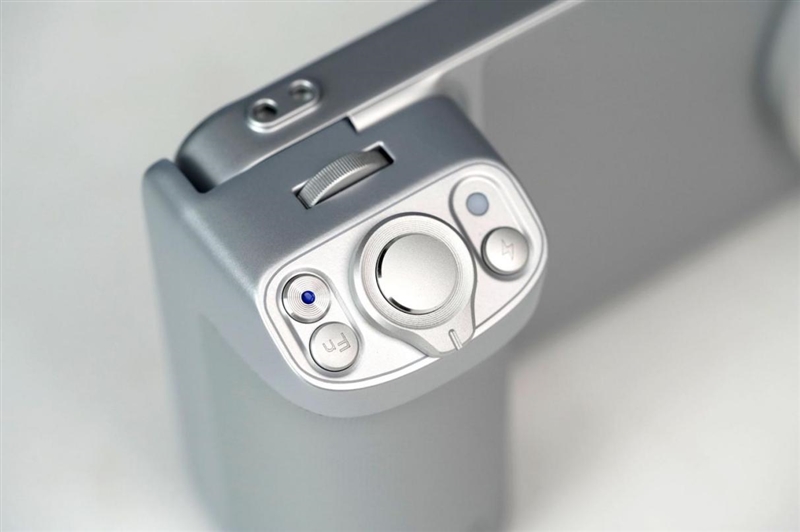
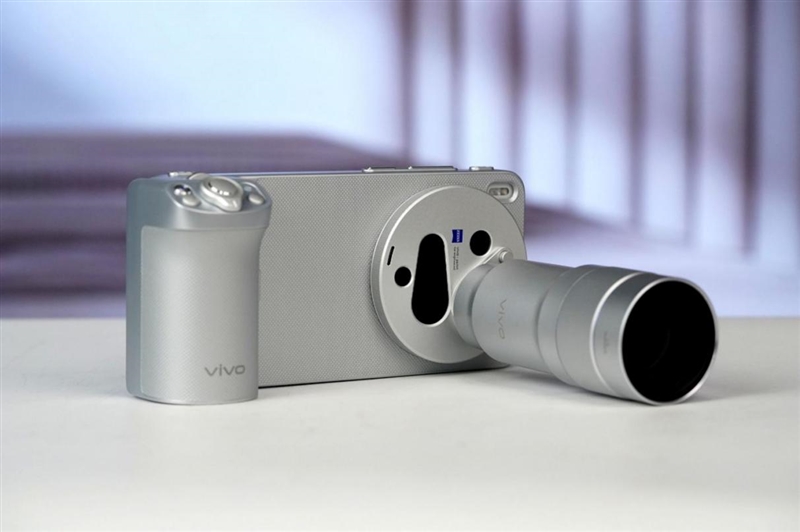
The true magic lies in the exclusive accessories included in the set. Two silver “giant cannons” headline the kit, bridging the gap between mobile convenience and professional reach.
-
Zeiss Teleconverter G2 Series: * The G2 Standard maintains elite optical quality in a more compact form factor.
-
The G2 Ultra provides a staggering 400mm equivalent focal length, making wildlife and bird photography accessible on a mobile device for the first time.
-
-
Zeiss Imaging Grip: * This USB-C connected grip features a two-stage physical shutter button and a suite of customizable shortcut keys.
-
Once attached, the UI automatically transitions into a professional camera interface, allowing for seamless one-handed operation.
-
The vivo X300 Ultra is not just another flagship; it is a specialized optical tool that bridges the gap between mobile photography and professional gear. By shifting from the standard 23mm wide-angle to a 35mm main lens, vivo focuses on the “humanist” focal length preferred by street and portrait photographers.
Pro-Grade Hardware
The Vivo X300 Ultra features a powerhouse triple-camera system, utilizing massive sensors across all focal lengths to ensure no “weak” lens in the lineup.
| Lens Type | Sensor | Focal Length | Resolution | Key Feature |
| Main (Humanist) | Sony LYTIA 901 (1/1.12″) | 35mm | 200MP | CIPA 6.5 Stabilization |
| Periscope Tele | Samsung HP0 (1/1.4″) | 85mm | 200MP | CIPA 7.0 (Gimbal-level) |
| Ultra-Wide | Sony LYTIA 818 (1/1.28″) | 14mm | 50MP | Largest UW sensor in tech |
Astronomical Zoom
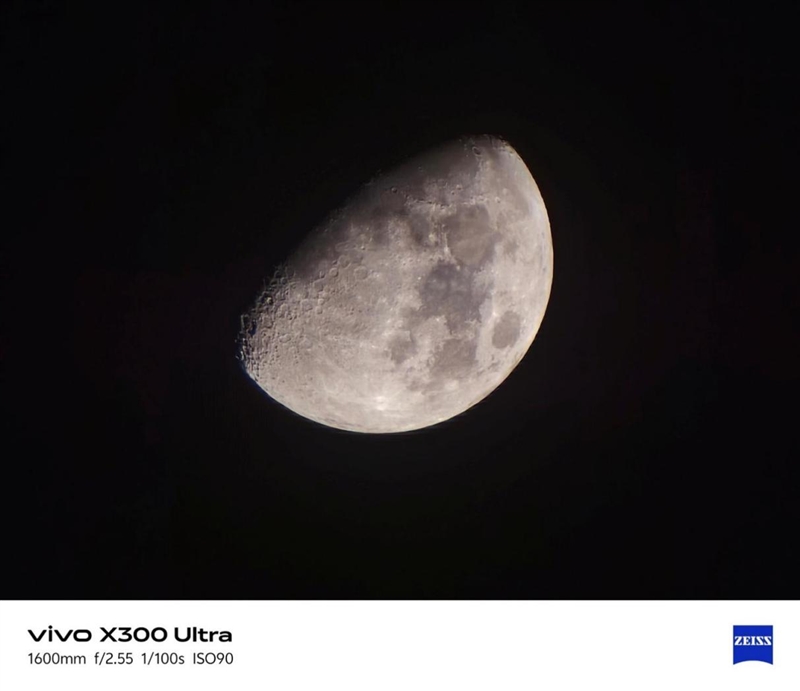
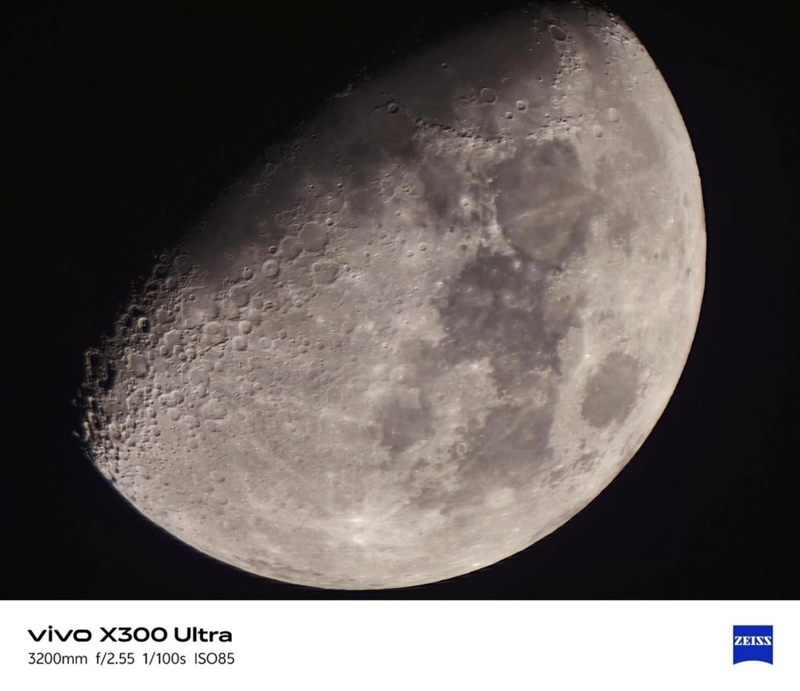
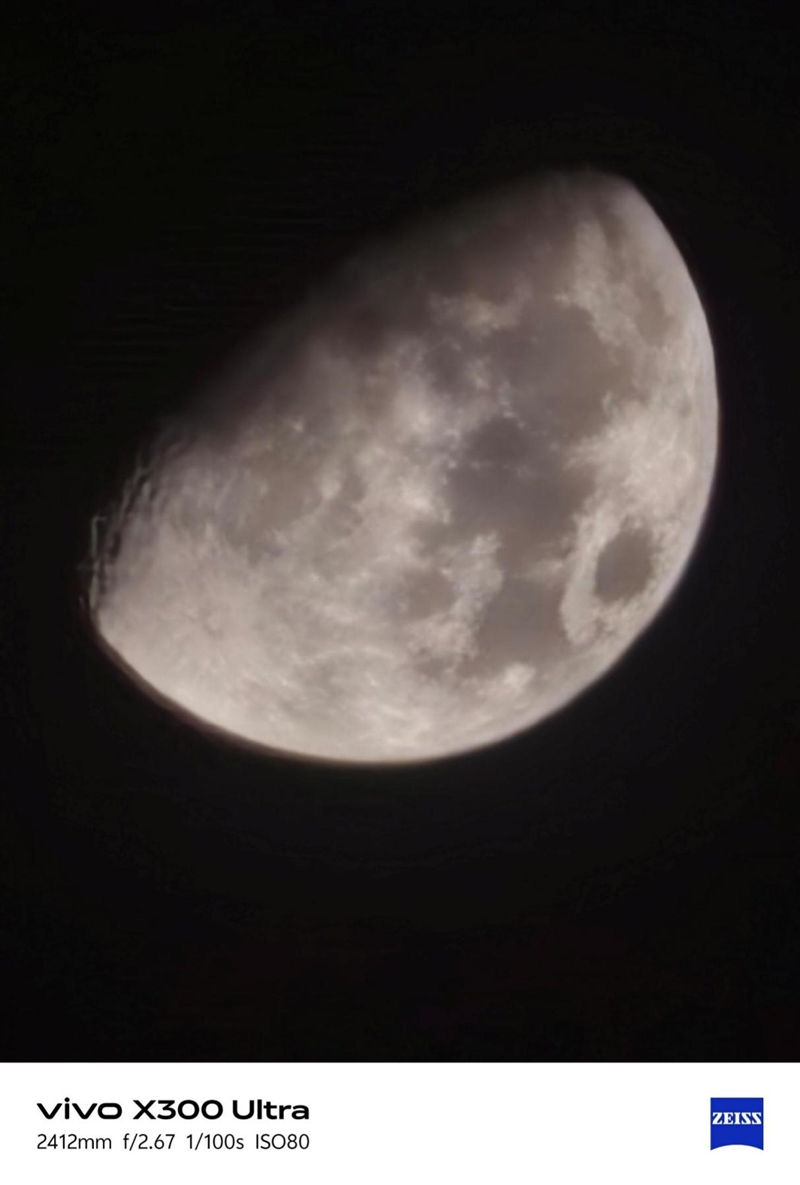
The true innovation lies in the Zeiss Photographer Kit, which introduces physical teleconverters—a rarity in the smartphone world. These aren’t just digital filters; they are optical upgrades.
-
Zeiss G2 Teleconverter: Extends the reach to a native 200mm equivalent. It is more compact than previous versions while maintaining Zeiss-certified optical clarity.
-
Zeiss G2 Ultra Teleconverter: Pushes the hardware to a staggering 400mm.
-
Extreme Reach: By layering the 200MP sensor’s high-resolution crop with these optics, the X300 Ultra reaches a digital equivalent of 3200mm. In optimal atmospheric conditions, you can resolve the craters of the moon, the moons of Jupiter, and the rings of Saturn.
Photography-First Interface


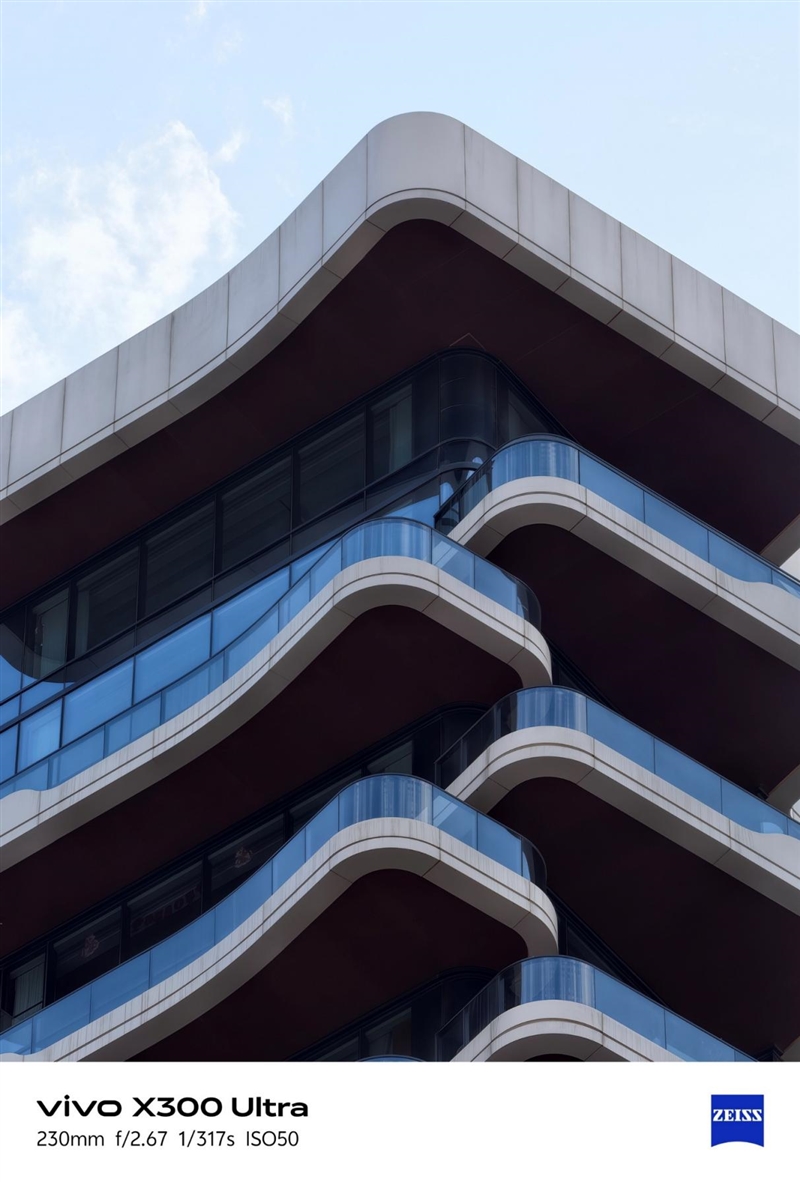
Unlike most phones that show “3x” or “10x” magnification, the Vivo X300 Ultra defaults to equivalent focal lengths (e.g., 35mm, 85mm, 200mm). This caters to enthusiasts who think in terms of optical perspective rather than just “getting closer.”
Industry-Leading Stabilization
Shooting at 400mm or beyond usually requires a tripod, but vivo’s CIPA 7.0 rating on the telephoto lens compensates for up to 7 stops of handshake. This “gimbal-level” tech ensures that even at extreme zooms, your handheld shots remain sharp.
Note on Super Moon Mode: While the phone includes an AI-driven “Super Moon” mode (up to 2400mm), the optical teleconverters provide significantly better raw detail. The AI mode is best reserved for quick social sharing when you don’t have the Zeiss kit attached.
Pro-Grade Gaming: The Test Results
The Vivo X300 Ultra features an integrated Game Toolbox. By simply swiping from the left, you can activate BOOST Mode, which optimizes the CPU and GPU to maintain peak frame rates during intense sessions.
1. Honor of Kings (MOBA)
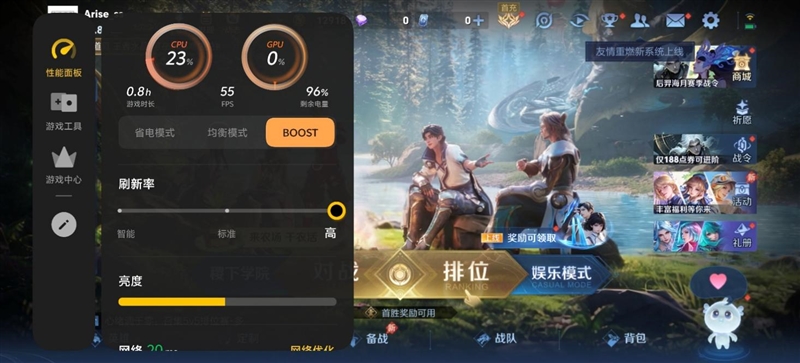
Even though this title is well-optimized, we cranked every setting to the maximum. The results were flawless.
- Performance: A rock-solid 144 FPS throughout a full 5v5 match.
- Efficiency: Average power consumption sat at 3.83W, with a remarkably low 26.5mW per frame.
- Experience: Aside from a negligible dip during the final victory animation, the gameplay was perfectly fluid.
2. Genshin Impact (Open World RPG)
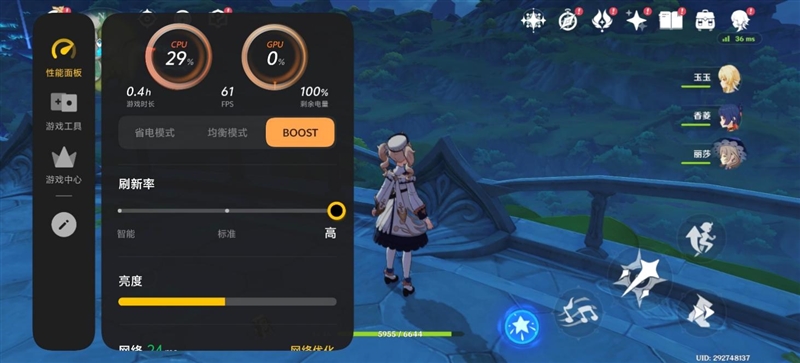
Often called the “benchmark killer,” Genshin Impact is the true test of thermal management. We spent 10 minutes sprinting through the resource-heavy Sumeru City.
- Performance: Maintained a consistent 60 FPS at ultra-high settings.
- Efficiency: Average power draw was 3.25W, with 54.3mW per frame.
- Experience: Micro-stutters were non-existent, proving the Snapdragon 8 Elite Gen 5 handles heavy rendering with ease.
3. Honkai: Star Rail (Turn-Based Strategy)
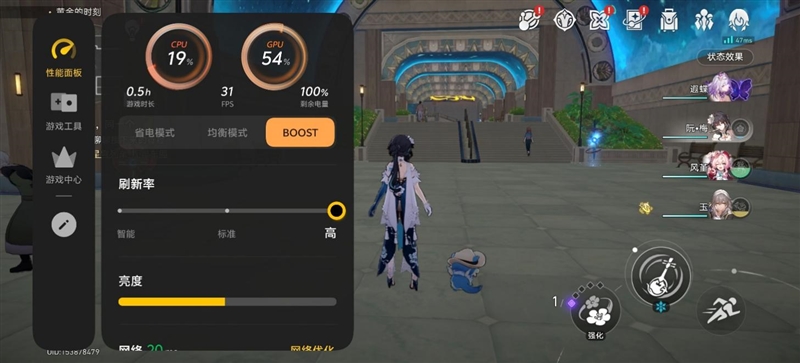
Testing during “peak hours” in high-density maps, we looked for signs of thermal throttling or “downclocking.”
- Performance: A steady 60 FPS for the entire 10-minute run.
- Efficiency: Slightly higher power demand at 4.46W (75.1mW per frame).
- Experience: The device stayed cool to the touch, and there was no drop in performance even after extended play.
4. Peacekeeper Elite (Battle Royale)
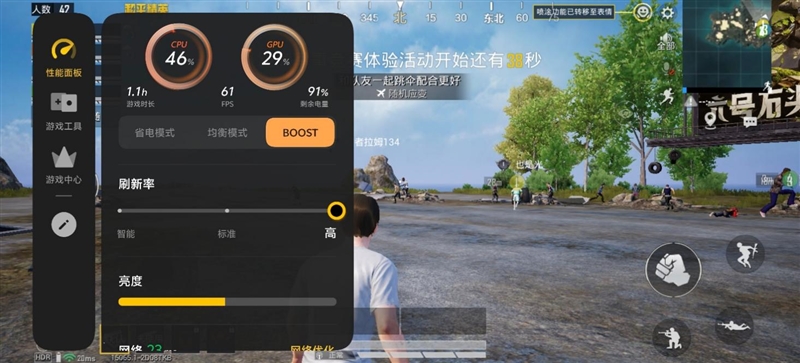
For competitive shooters, frame rate is everything. The Vivo X300 Ultra natively supports the 90 FPS high refresh mode for this title.
- Performance: Flawless 90 FPS over a 12-minute match.
- Efficiency: Average power consumption was 3.18W, costing only 35.4mW per frame.
- Experience: The combination of the 144Hz LTPO display and stable 90 FPS provides a significant competitive edge in response times.
Battery Performance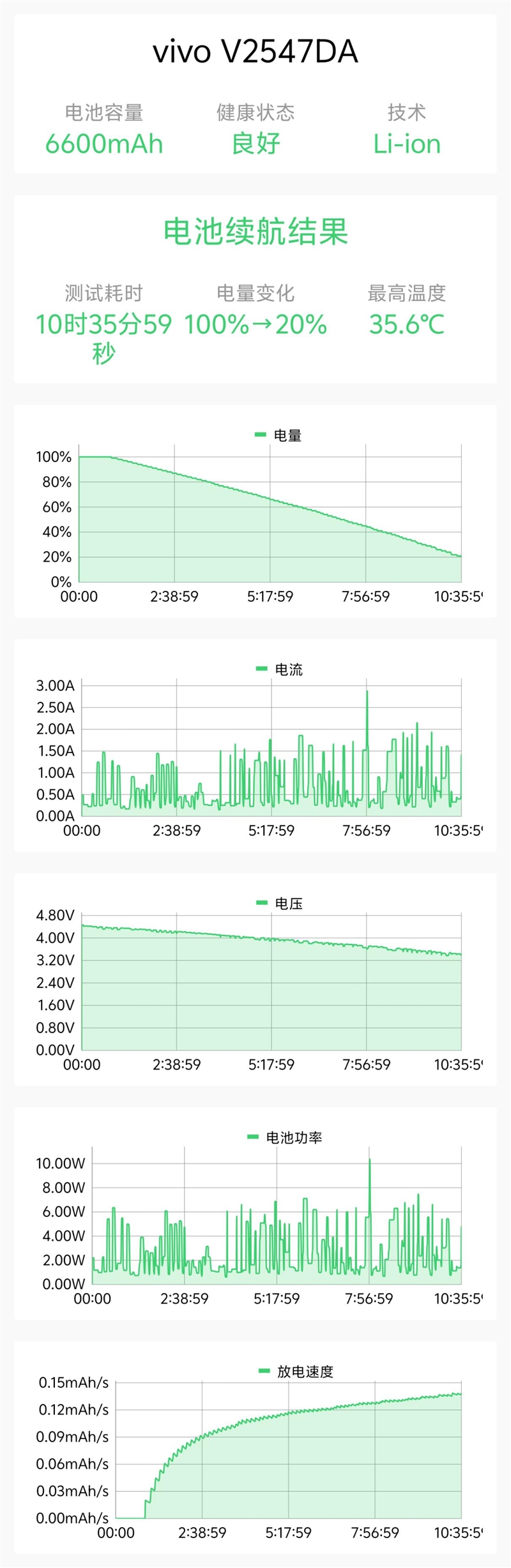
One of the most impressive upgrades on the vivo X300 Ultra isn’t just the camera—it’s the power management. Vivo has packed a massive 6600mAh Blue Ocean Battery into this flagship, but the capacity is only half the story.
Advanced Battery Tech
The Vivo X300 Ultra utilizes fourth-gen silicon anode and second-gen semi-solid-state technology. In plain English? You get a denser, safer battery that handles energy more efficiently. When paired with the custom Blue Ocean Life System, the phone doesn’t just have a “big battery”; it has a smarter one that sips power during standby and optimizes every percentage during heavy use.
-
Lab Benchmarks: In the standardized “Battery Dog” test, the device lasted a staggering 10 hours and 35 minutes of continuous active use.
Charging Speeds
We put the included 100W SuperVOOC Flash Charger to the test to see if it lives up to the marketing hype. Here is how the X300 Ultra performed in a real-world “coffee break” charging scenario:
| Time Elapsed | Battery Percentage | Note |
| 0 – 20 Minutes | 50% | Blazing fast for quick top-ups. |
| 45 Minutes | 96% | Effectively a full charge. |
Charging:
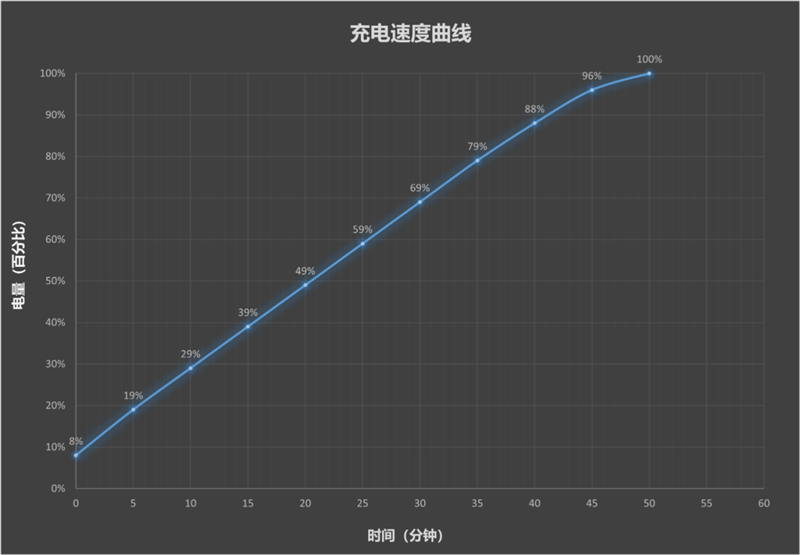
The speed is aggressive until you hit the 90% mark. At that point, the system intelligently enters trickle charging mode. This slows down the current to protect the semi-solid-state cells from heat, ensuring your battery health stays high even after a year of heavy use. If you’re starting from single digits, you can expect to be back in action for a full day’s work in under half an hour.
Verdict
The vivo X300 Ultra isn’t just another incremental smartphone update; it’s a fundamental shift in how we define “mobile professional imaging.” By moving beyond standard specs and focusing on a seamless “V-singling” workflow, vivo has created the definitive tool for creators in 2026. It perfectly balances elite optics, sustained performance, and enough battery life to outlast a full day on set.
The 3+2 Zeiss Optical Breakthrough
The core of this device is the industry-first Zeiss Master Lens 3+2 system. While the phone houses three high-performance physical lenses, the inclusion of two optional teleconverters changes the game. This modular approach allows the X300 Ultra to cover almost every imaginable focal length, making it as versatile as a dedicated mirrorless kit but small enough to fit in your pocket.
Hardware Refined for Real-World Success
Critics might argue that the raw hardware specs haven’t seen a massive leap, but that misses the point. The X300 Ultra represents the current peak of mobile engineering. Vivo’s genius lies in the targeted stabilization upgrades for the main and telephoto sensors. These improvements significantly boost the “success rate” of your shots in difficult lighting or fast-motion scenarios, resulting in video quality that feels truly cinematic rather than just “mobile-grade.”
Flagship Power that Stays Cool
A camera is only as good as the processor driving it. The X300 Ultra is powered by the Snapdragon 8 Ultra (5th Gen), supported by Ice Pulse Fluid VC cooling. This ensures that even during 8K video recording or intense gaming, the phone won’t throttle or overheat.
Visuals are equally impressive on the 2K 144Hz Zeiss Master Color Display. With 2160Hz high-frequency PWM dimming, it provides the color accuracy professionals need for color grading while remaining gentle on the eyes during long editing sessions.
Battery
The 6600mAh Blue Ocean Battery is a beast, surviving over 11 hours of heavy real-world use. If you use the dedicated camera handle, you get an additional 2300mAh, effectively killing battery anxiety for good. When you finally do run dry, the 100W flash charging gets you back to 100% in just 45 minutes.
Why It Matters
- For Photographers: It’s the ultimate, high-fidelity backup camera.
- For Video Creators: It’s a pocket-sized productivity powerhouse.
- For Everyone Else: It’s a “cheat code” for photography that makes every snap look professional.
The Bottom Line:
Yes, storage costs have pushed the price up by roughly 1,000 yuan, and that might give some buyers pause. However, for those who demand the absolute best in mobile imaging, the Vivo X300 Ultra stands alone. It isn’t just a phone; it’s the imaging flagship of the year. If you’re serious about your craft, this is likely the only camera you’ll need in your pocket for 2026.
Read Also: Vivo Pad6 Pro has been Officially Announced to be Released on March 30th!