










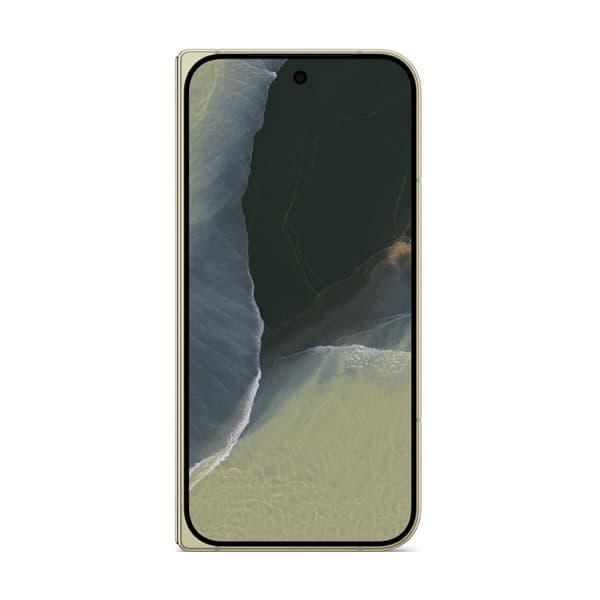
Google has officially introduced the Pixel 11 Pro Fold, its latest flagship foldable smartphone and one of the most ambitious additions to the Pixel family. Combining Google’s foldable hardware with its latest Tensor G6 processor and expanded Gemini AI ecosystem, the new device is positioned firmly in the ultra-premium segment.
The Pixel 11 Pro Fold starts at $1,899 in the United States for the 16GB + 256GB configuration, equivalent to approximately RMB 12,800 at the reported exchange rate.
Among its key highlights are dual high-refresh-rate displays, a 2nm Tensor G6 platform, IP68 protection, a triple-camera system and Google’s increasingly integrated on-device and cloud-based AI features.
Dual Displays With 120Hz Adaptive Refresh Rate
The Pixel 11 Pro Fold features two high-end displays designed to provide a conventional smartphone experience when closed and a larger workspace when unfolded.
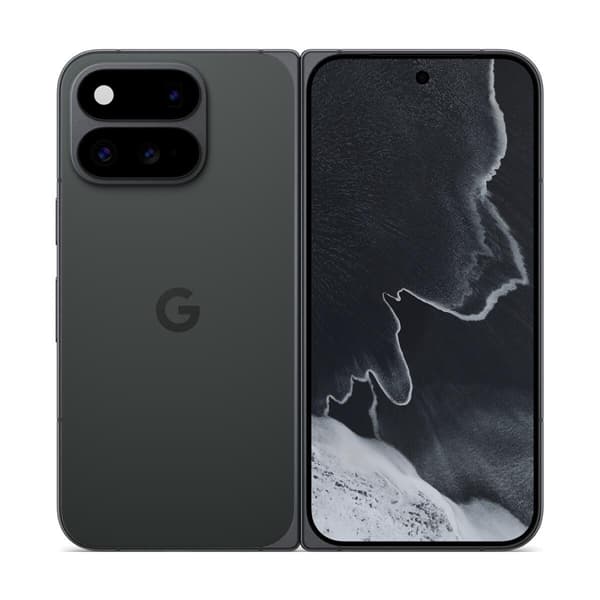
On the outside, the phone has a 6.5-inch Super Actua display with a resolution of 1080 × 2342 pixels and a pixel density of 399 PPI. The panel supports an adaptive refresh rate ranging from 1Hz to 120Hz, while peak brightness can reach 3,600 nits.
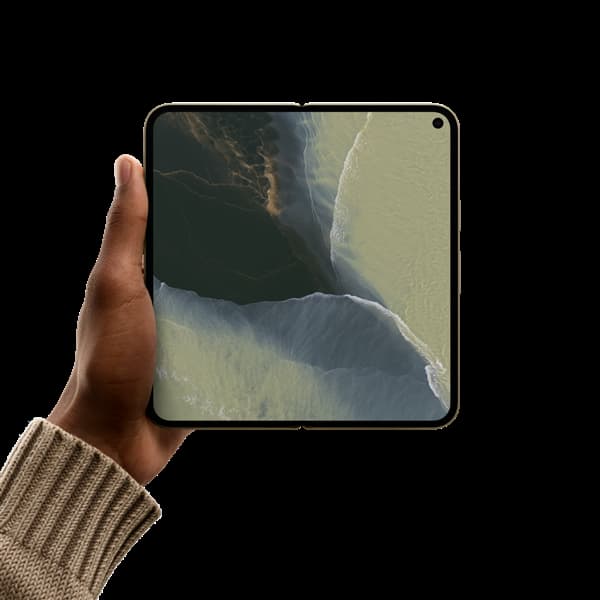
Unfolding the device reveals a larger 8-inch internal display with a resolution of 2076 × 2152 pixels and 372 PPI. It also supports a 1-120Hz adaptive refresh rate, allowing the screen to dynamically adjust its refresh rate depending on the content being displayed.
The combination of a high-brightness cover display and a large internal panel gives the Pixel 11 Pro Fold a versatile form factor for everyday communication, entertainment, multitasking and productivity.
Slim Foldable Design With IP68 Protection
Google has also focused on the physical design of the Pixel 11 Pro Fold.
The device uses a matte composite-material body combined with a space-grade aluminum frame. It is rated IP68 for dust and water resistance, providing a level of environmental protection that is still relatively uncommon among foldable smartphones.
The Pixel 11 Pro Fold is available in two colors:
- Olive Green
- Obsidian Black
When folded, the device measures approximately 10.1mm thick, with each side measuring around 5.0mm. Its weight is approximately 239 grams.
While it remains heavier than conventional flagship smartphones, the dimensions put the Pixel 11 Pro Fold among the more portable large-screen foldables.
Tensor G6 Brings Google’s 2nm Platform
The biggest hardware upgrade is arguably Google’s new Tensor G6 processor.
According to the supplied launch information, the Tensor G6 is manufactured using TSMC’s 2nm process, making it one of the first smartphone processors based on this advanced manufacturing technology.
The chip reportedly uses a seven-core architecture consisting of:
- 1 × C1-Ultra performance core
- 4 × C1-Pro high-frequency cores
- 2 × C1-Pro low-frequency cores
The ultra-high-performance core reportedly reaches a maximum clock speed of 4.109GHz.
Beyond traditional CPU performance, Tensor chips have historically placed significant emphasis on Google’s machine-learning capabilities. The Tensor G6 is expected to play a central role in the Pixel 11 Pro Fold’s AI features, computational photography and on-device processing.
Triple-Camera System Targets Premium Photography
Google has equipped the Pixel 11 Pro Fold with a triple-camera setup.
The reported configuration includes:
- 48MP main camera with a 1/1.56-inch sensor and f/1.7 aperture
- 48MP ultra-wide camera
- 48MP 5x telephoto camera
The main camera’s relatively large sensor is designed to improve light capture and image quality, particularly in low-light environments.
The 5x telephoto camera provides optical reach for distant subjects, while the ultra-wide camera gives users additional flexibility for landscapes, architecture and group photography.
Both the outer and inner displays reportedly feature 10MP front-facing cameras, supporting selfies, video calls and other communication applications.
Gemini AI Is at the Center of the Experience
AI is a major component of Google’s Pixel 11 Pro Fold experience.
The device combines Google’s cloud-based and on-device AI technologies, including Gemini Intelligence, Gemini Nano and Gemini Live.
Gemini Live enables more natural voice-based conversations, while Gemini Nano handles selected AI workloads directly on the device.
Google is also expanding the range of applications and services built around Gemini, allowing AI to interact more deeply with the smartphone’s software environment.
In markets such as the United States, users can access Google’s intelligent assistant capabilities, which can proactively surface contextual information, personal details and suggested actions based on what users are doing.
This approach represents a broader shift from conventional voice assistants toward AI systems that can understand context and help users complete multi-step tasks.
Circle to Search and Real-Time Translation
The Pixel 11 Pro Fold also includes Google’s Circle to Search functionality.
Users can draw a circle around content displayed on the screen to search for it without leaving the current application. This can be particularly useful when identifying products, locations, objects or unfamiliar information.
The device also supports real-time translation, helping users communicate across different languages.
Another feature is Call Assist, which can help handle incoming calls and provide intelligent assistance during phone conversations.
Together, these tools demonstrate Google’s strategy of integrating AI throughout the operating system rather than limiting it to a standalone chatbot application.
4,750mAh Battery and 25W Wireless Charging
The Pixel 11 Pro Fold is equipped with a 4,750mAh battery.
The device supports 25W wireless charging, while the supplied specifications do not provide a wired charging figure.
Battery efficiency will be particularly important for the Pixel 11 Pro Fold because its dual displays and large internal screen can place greater demands on the battery than a conventional smartphone.
Google is expected to rely heavily on the efficiency improvements of Tensor G6 and Android 17 to balance performance with battery life.
Android 17 With Seven Years of Updates
The Pixel 11 Pro Fold ships with Android 17 out of the box.
Google also promises up to seven years of security updates, providing long-term software support for the foldable.
Long software support has become an increasingly important factor in the premium smartphone market, particularly for expensive devices that consumers expect to keep for several years.
The combination of Android 17, Google’s Pixel software and the Gemini AI ecosystem gives the Pixel 11 Pro Fold a software experience that is difficult to replicate on competing Android foldables.
Pixel 11 Pro Fold Pricing
The Pixel 11 Pro Fold starts at:
16GB + 256GB — $1,899
Based on the reported exchange rate, this is approximately RMB 12,800.
The pricing places Google’s new foldable firmly in the premium segment and puts it in direct competition with other flagship foldable smartphones from Samsung, Huawei, Xiaomi, OPPO and vivo.
A Foldable Built Around AI
The Pixel 11 Pro Fold is more than a larger Pixel smartphone with a folding display. Google is using the device to showcase the combination of foldable hardware, custom silicon and AI-powered software.
Its 8-inch internal display provides a large canvas for multitasking, while the Tensor G6 is designed to accelerate Google’s computational photography and AI capabilities. Gemini, Circle to Search, real-time translation and Call Assist further integrate AI into everyday smartphone interactions.
The reported use of TSMC’s 2nm process for Tensor G6 also makes the Pixel 11 Pro Fold particularly interesting from a hardware perspective. If the processor delivers meaningful improvements in efficiency and AI performance, it could help Google close the gap with other flagship chip platforms.
With a $1,899 starting price, however, the Pixel 11 Pro Fold is clearly targeting consumers willing to pay a premium for Google’s combination of foldable design, long-term software support and deep AI integration.
As Google’s latest flagship foldable, the Pixel 11 Pro Fold represents the company’s strongest push yet into the premium foldable smartphone market—and demonstrates that Google’s strategy increasingly revolves around making AI a fundamental part of the Pixel experience.