









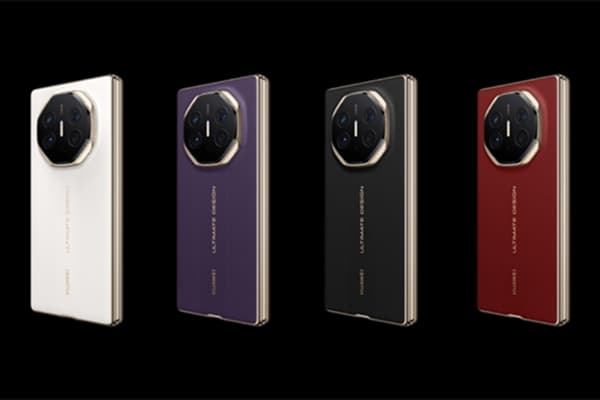
Huawei’s next-generation tri-foldable smartphone is once again making headlines. According to information shared by Chinese tech blogger Dingjiao Digital on August 15, the upcoming Huawei Mate XT2 could introduce a significantly redesigned exterior, including a new U-shaped folding mechanism and a return to Huawei’s iconic square camera module.
The Mate XT2 is expected to succeed Huawei’s first-generation tri-foldable and could represent a major evolution in both durability and internal hardware design.
Square Camera Module Returns
One of the most noticeable changes reportedly coming to the Mate XT2 is its rear camera design.
According to the leak, Huawei will move away from the octagonal camera module used on the previous generation and instead adopt a square-shaped camera housing.
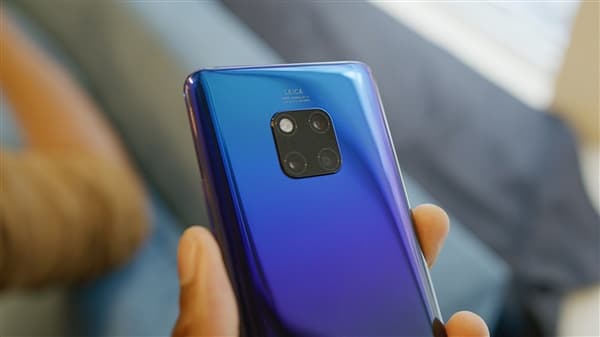
The design is reminiscent of the camera arrangement introduced with the Huawei Mate 20 series, which debuted in October 2018. The Mate 20 became particularly recognizable for its distinctive square, four-point camera matrix.
At the time, the design helped Huawei create a visually distinctive multi-camera system while also emphasizing a symmetrical aesthetic. The square arrangement also provided a practical way to organize multiple camera components within a relatively compact area.
Nearly eight years later, Huawei could be bringing the square camera design back to its premium Mate lineup. If the leaked information proves accurate, the move would combine a familiar visual identity with the company’s latest foldable technology.
New U-Shaped Tri-Fold Design
The most significant structural change could be the Mate XT2’s folding mechanism.
Unlike the previous generation’s S-shaped “accordion-style” folding structure, the Mate XT2 is rumored to adopt a U-shaped tri-fold design.
Under this concept, the two outer sections of the device would reportedly fold inward simultaneously, allowing the flexible display to be folded entirely toward the inside of the device.
This would create a fundamentally different approach to protecting the flexible panel.
Display Fully Protected When Folded
One of the potential advantages of the U-shaped design is that the flexible display could remain fully enclosed inside the chassis when the device is folded.
This would reduce direct exposure of the flexible display to external objects, potentially helping protect the panel from accidental scratches and other physical damage.
For foldable smartphones, display durability remains one of the most important challenges. Flexible OLED panels are inherently more vulnerable to physical contact than conventional smartphone displays, particularly when a large portion of the screen remains exposed in the folded state.
By moving the display completely inside the folded structure, Huawei could potentially address some of these concerns while improving the device’s resistance to everyday wear.
However, the new folding structure could also introduce engineering challenges of its own, including hinge complexity, internal space management, display stress and overall device thickness. These aspects will need to be evaluated once the final product is officially revealed.
New Kirin Chip Based on “Tao’s Law” Technology
The Mate XT2 is also rumored to debut a new-generation Kirin processor based on technology described in the leak as being developed around “Tao’s Law.”
According to the report, the concept focuses on replacing the traditional approach of Moore’s Law—which relies heavily on progressively shrinking transistor dimensions—with a strategy described as “time miniaturization.”
The claimed objective is to achieve significant performance improvements without relying entirely on increasingly advanced semiconductor manufacturing nodes.
Huawei has not officially disclosed the technical details or specifications of the processor at this stage. Therefore, claims regarding its performance and manufacturing technology should be treated cautiously until the company provides more information.
If Huawei does introduce a new Kirin platform alongside the Mate XT2, the device could become an important showcase for the company’s ongoing efforts to develop its own semiconductor ecosystem.
A Potential September Launch
According to the latest leak, the Huawei Mate XT2 is expected to launch in September.
As the rumored launch window approaches, additional details about the device’s display configuration, cameras, processor, battery, hinge mechanism and pricing are likely to emerge.
The Mate XT2 could therefore become one of Huawei’s most ambitious foldable products yet, combining a completely enclosed tri-fold display concept with a redesigned camera system and a new generation of Kirin hardware.
A New Direction for Huawei’s Tri-Foldable Strategy
If the current reports are accurate, the Mate XT2 represents more than a specification upgrade.
The move from the previous S-shaped folding structure to a U-shaped inward-folding design could significantly change how Huawei approaches durability and display protection in tri-foldable smartphones. At the same time, the return of a square camera module could give the device a strong visual connection to Huawei’s established Mate-series identity.
The rumored new Kirin processor would add another important dimension, potentially demonstrating Huawei’s progress in semiconductor and system-level development.
However, it is important to emphasize that Huawei has not officially confirmed the Mate XT2’s design, processor or launch specifications. The information currently comes from leaks and should therefore be treated as preliminary.
If Huawei does unveil the Mate XT2 in September, the combination of a U-shaped tri-folding structure, protected internal display and next-generation Kirin chipset could make it one of the most closely watched foldable smartphones of the year.