










Igeekphone News August 8, 2026 — Motorola has officially introduced the Moto G Max in India, adding another battery-focused model to its G-series smartphone lineup. The new handset combines Qualcomm’s Snapdragon 6s Gen 4 platform with a large 7,000mAh battery, a 120Hz display, stereo speakers, and a traditional 3.5mm headphone jack.
Interestingly, the Indian Moto G Max is not identical to the model launched in Brazil earlier this year. While both phones share the same name, Motorola has apparently based the Indian version on a different existing device, resulting in significant differences in hardware.
Moto G Max Takes a Different Approach in India
Motorola launched a Moto G Max in the Brazilian market in June 2026. However, that version was essentially a rebranded version of the Moto G87, featuring a MediaTek Dimensity 6400 chipset.
The newly announced Indian model follows a different design and hardware platform. It is reportedly based on the Moto G57 Power, while replacing its processor with Qualcomm’s newer Snapdragon 6s Gen 4.
This regional differentiation highlights Motorola’s strategy of adapting its G-series portfolio to different markets rather than offering exactly the same configuration worldwide.
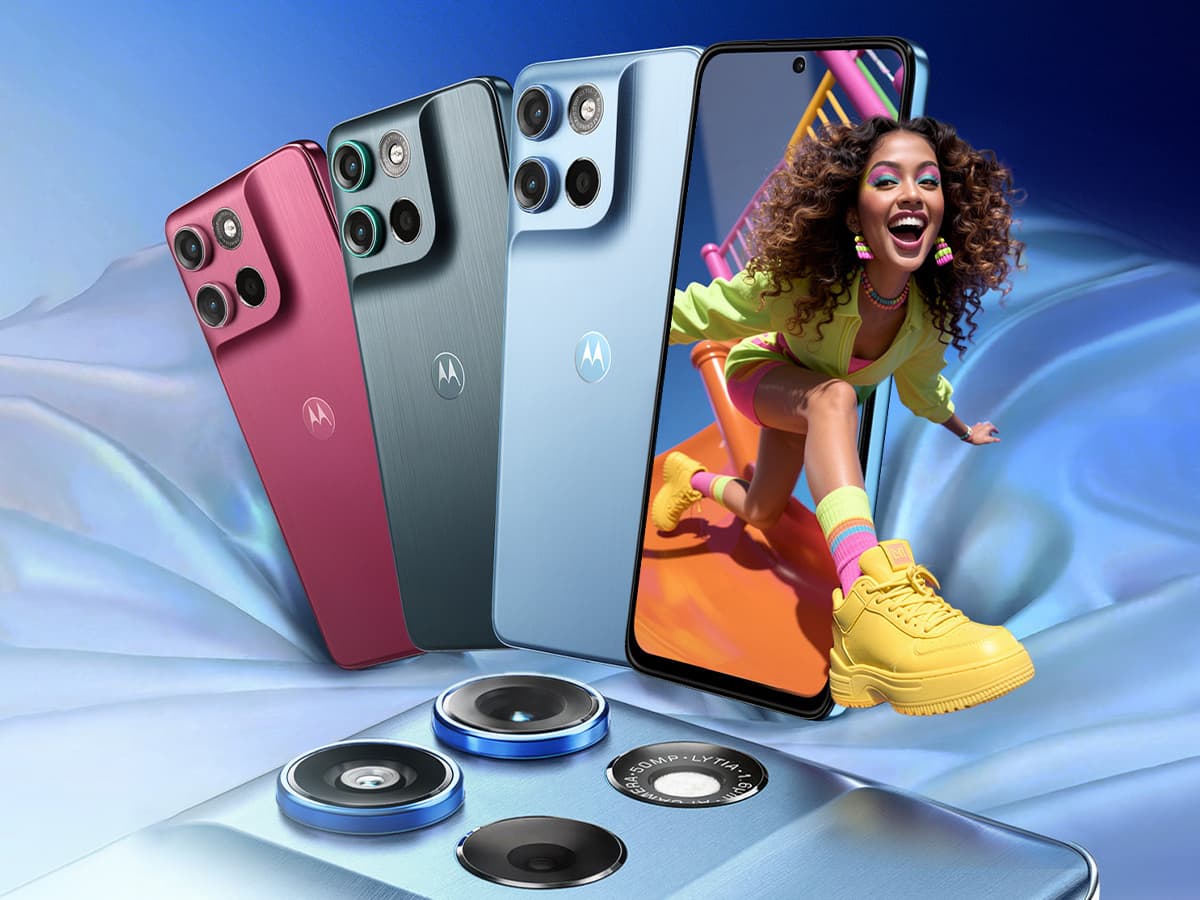
Snapdragon 6s Gen 4 Powers the Moto G Max
At the heart of the Indian Moto G Max is Qualcomm’s Snapdragon 6s Gen 4 chipset. The platform is paired with LPDDR5X memory and UFS 3.1 storage, giving the phone a relatively modern memory and storage configuration for its segment.
Motorola is positioning the device around a combination of everyday performance and long battery life. The chipset should be capable of handling common tasks such as social media, streaming, web browsing, multitasking, and casual gaming without targeting the flagship performance segment.
The actual memory and storage capacities available in India will be important factors in determining the phone’s overall value.
7,000mAh Battery Promises Up to Three Days
Battery life is one of the biggest highlights of the Moto G Max.
The smartphone packs a 7,000mAh battery, and Motorola claims that a full charge can provide up to three days of battery life under suitable usage conditions.
A battery of this size should give the Moto G Max an advantage over many mainstream smartphones, particularly for users who spend significant amounts of time watching videos, browsing the web, using social media, or traveling without convenient access to a charger.
The actual endurance will naturally depend on factors such as screen brightness, network conditions, refresh rate, applications, and usage patterns.

6.72-Inch 120Hz FHD+ Display
The Moto G Max features a 6.72-inch display with an FHD+ resolution and a 120Hz refresh rate.
The higher refresh rate should provide smoother scrolling and animations compared with conventional 60Hz panels. Motorola also lists a peak brightness of up to 1,050 nits, which should help improve outdoor visibility in bright conditions.
Combined with the large screen size, the display makes the Moto G Max particularly suited to multimedia consumption and everyday productivity.
High-Resolution Camera System
Photography is handled by a multi-camera setup on the rear.
The phone reportedly features a 50-megapixel main camera alongside an 8-megapixel ultra-wide-angle camera. The ultra-wide sensor provides a broader field of view for landscapes, architecture, group photos, and other situations where fitting more of a scene into the frame is useful.
For selfies and video calls, the device comes with a 32-megapixel front-facing camera.
While megapixel counts alone do not determine image quality, the combination gives the Moto G Max a reasonably versatile camera setup for a mid-range smartphone.
Stereo Speakers and Dolby Atmos
Motorola has also equipped the Moto G Max with stereo speakers and Dolby Atmos support.
The combination is designed to provide a more immersive audio experience when watching movies, streaming music, or playing games without headphones.
Perhaps more notably, Motorola has retained a 3.5mm headphone jack.
The company appears to be highlighting the connector as an unusual feature in its promotional messaging, referring to it as “alien technology.” With many modern smartphones moving toward USB-C and wireless audio, the inclusion of a traditional headphone port could appeal to users who still prefer wired earphones and headphones.
IP64 Protection
The Moto G Max also carries an IP64 rating, providing protection against dust and resistance to water splashes.
This does not make the smartphone waterproof or suitable for underwater use, but it should provide additional protection against everyday exposure to dust and light splashes.
Moto G Max Specifications at a Glance
| Feature | Moto G Max (India) |
|---|---|
| Processor | Qualcomm Snapdragon 6s Gen 4 |
| Display | 6.72-inch FHD+ |
| Refresh rate | 120Hz |
| Peak brightness | Up to 1,050 nits |
| Battery | 7,000mAh |
| Claimed endurance | Up to 3 days |
| Rear main camera | 50MP |
| Ultra-wide camera | 8MP |
| Front camera | 32MP |
| Memory | LPDDR5X |
| Storage | UFS 3.1 |
| Speakers | Stereo speakers |
| Audio | Dolby Atmos |
| Headphone jack | 3.5mm |
| Durability | IP64 |
| Market | India |
A Different Moto G Max for Different Markets
One of the most interesting aspects of this launch is Motorola’s use of the Moto G Max name for different hardware configurations.
The Brazilian version launched in June was reportedly based on the Moto G87 and used a MediaTek Dimensity 6400 chipset. The Indian model, meanwhile, is based on the Moto G57 Power platform and switches to Qualcomm’s Snapdragon 6s Gen 4.
For international consumers, this means the Moto G Max name should not necessarily be treated as a guarantee of identical specifications across markets.
Final Thoughts
The Indian Moto G Max is shaping up as a practical mid-range smartphone focused heavily on endurance and everyday usability. Its 7,000mAh battery, 120Hz FHD+ display, Snapdragon 6s Gen 4 chipset, stereo speakers, IP64 protection, and 3.5mm headphone jack give it a feature set aimed at consumers who prioritize battery life and traditional smartphone functionality.
The three-day battery claim is likely to be the phone’s biggest selling point, while the return—or rather continued inclusion—of a 3.5mm headphone jack could make it particularly appealing to wired-audio users.
However, international buyers should pay close attention to regional specifications. Motorola’s decision to use different hardware under the Moto G Max name in Brazil and India means that the Indian model should be evaluated separately rather than assumed to be identical to its Brazilian counterpart.