










August 14, 2026 — Igeekphone News: New renderings of the rumored Sonos Ace Ultra high-end wireless headphones have surfaced online, offering an early look at Sonos’ next-generation premium audio product. The images were published by German technology outlet WinFuture on August 13 and reportedly show a thicker, redesigned version of the existing Sonos Ace.
The Sonos Ace Ultra is expected to launch in September 2026, although Sonos has yet to officially confirm the product, launch date, specifications, or pricing.
The most notable rumored upgrade is not purely hardware-related. The Ace Ultra is reportedly being developed with AI-powered voice controls for smart home devices, potentially allowing users to control compatible lighting and home systems directly through the headphones.
Sonos Ace Ultra: A More Substantial Design
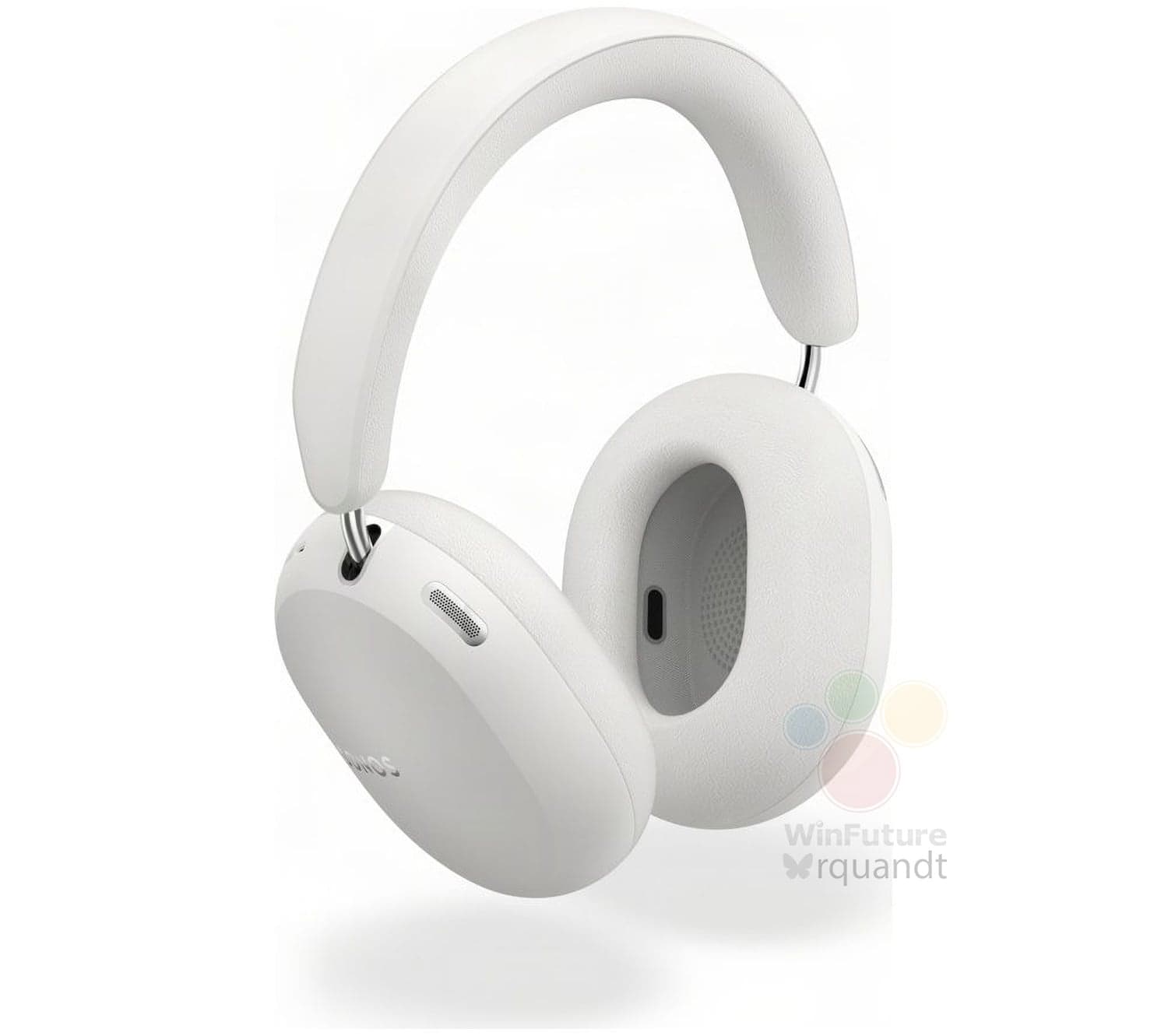
Based on the leaked renderings, the Sonos Ace Ultra retains the recognizable over-ear design language of the current Sonos Ace but appears noticeably more substantial.
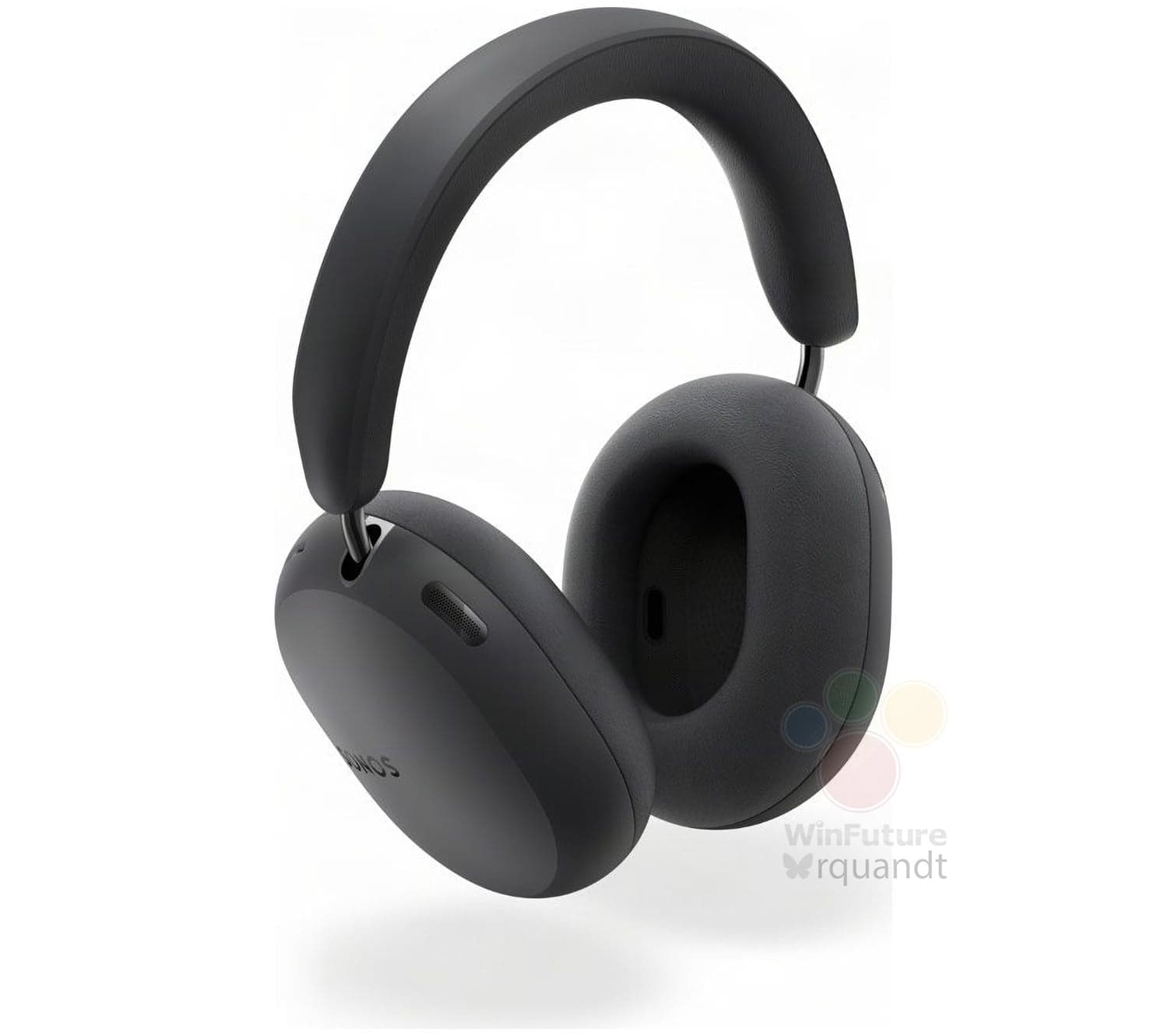
The earcups are shown in darker tones, while the overall headphone body appears thicker. The increased size could indicate additional internal hardware, potentially related to enhanced microphones, processing capabilities, battery capacity, or other smart features.
The microphone grille also appears significantly shorter than the one found on the current Sonos Ace. Meanwhile, several buttons and openings have reportedly been repositioned.
One particularly interesting design change is a new sliding switch on the outside of the right earcup. Its exact purpose remains unclear, and the leaked images do not provide enough information to determine whether it could be related to voice control, listening modes, connectivity, or another function.
Initial Colors Could Be Limited to Black and White
According to the report, Sonos may initially launch the Ace Ultra in just black and white.
However, additional color options could reportedly arrive later. The rumored palette includes several distinctive finishes:
- Greige: A warm combination of gray and beige designed to provide a subtle, sophisticated appearance.
- Shadow Black: A deep black finish with a classic and professional aesthetic.
- Agave: A muted green inspired by natural tones.
- Blush: A soft pink option aimed at users looking for a lighter and more expressive appearance.
- Sand: A bright, neutral shade designed to complement modern home interiors.
If these colors eventually become available, Sonos could position the Ace Ultra as both a premium audio device and a lifestyle product that fits more naturally into different personal and interior-design preferences.
AI Voice Control Could Be the Biggest Upgrade
While the exterior changes are noticeable, the Ace Ultra’s rumored smart-home capabilities could be its most significant differentiator.
According to the report, Sonos is expected to integrate an AI-powered voice control solution into the headphones. The system would reportedly build on Sonos Voice Control and allow users to issue voice commands directly through the headphones.
This could transform the Ace Ultra from a conventional pair of wireless headphones into a more deeply integrated smart-home interface.
Rather than reaching for a smartphone or dedicated smart speaker, users could potentially issue commands while wearing the headphones.
Philips Hue and Lutron Integration
The rumored system could reportedly interact with smart-home platforms such as Philips Hue lighting and Lutron Caseta.
For example, a user could potentially adjust connected lights using a voice command while listening to music, without removing the headphones or opening a mobile application.
The broader concept is particularly interesting because Sonos already has a strong presence in connected home audio. Adding voice-based control of other smart-home devices could allow the company to position its premium headphones as another access point to the connected home.
A possible scenario would be walking into a living room wearing the Ace Ultra and saying a voice command to activate the lights, adjust the room’s atmosphere, or control compatible Sonos audio equipment.
From Headphones to a Smart-Home Interface
The rumored Ace Ultra strategy reflects a broader shift in the premium consumer electronics market.
Wireless headphones have traditionally focused on audio quality, active noise cancellation, comfort, battery life, and connectivity. Increasingly, however, manufacturers are looking to add AI and contextual features that make headphones more useful throughout the day.
The Ace Ultra could take that idea further by making the headphones a hands-free control point for the connected home.
For international users, this could be particularly appealing in households that already combine smart lighting, connected speakers, and other home automation products. Instead of relying on multiple apps or dedicated controls, voice interaction could provide a more natural interface.
What About Audio Upgrades?
The leaked information currently focuses heavily on the design and smart-home capabilities of the Ace Ultra. Detailed information about its audio hardware, drivers, noise cancellation performance, battery life, codecs, or wireless standards has not yet been confirmed.
The current Sonos Ace is positioned as a premium over-ear wireless headphone, so expectations will likely be high for the Ultra model.
If Sonos intends to justify the “Ultra” branding, consumers may expect improvements in areas such as:
- Active noise cancellation
- Transparency or awareness modes
- Microphone quality
- Audio processing
- Battery life
- Wireless connectivity
- Spatial audio
- Comfort and ergonomics
- Voice-assistant performance
These specifications remain unconfirmed until Sonos provides official information.
A Potentially Important Product for Sonos
The Ace Ultra could represent an important expansion of Sonos’ strategy beyond traditional home speakers.
The company’s existing ecosystem is built around connected audio products, while the Sonos Ace introduced the brand into the premium headphone market. A future model with deeper AI and smart-home integration could connect these two product categories more closely.
Instead of treating headphones as a separate listening device, Sonos could use them as another interface for controlling the broader Sonos ecosystem and compatible third-party smart-home products.
That approach could become increasingly relevant as AI assistants become more capable of understanding natural-language commands and managing multiple connected devices.
Sonos Ace Ultra: What We Know So Far
| Feature | Sonos Ace Ultra |
|---|---|
| Product type | Premium wireless over-ear headphones |
| Expected launch | September 2026 |
| Initial colors | Black and white |
| Additional rumored colors | Greige, Shadow Black, Agave, Blush, Sand |
| AI voice control | Reportedly supported |
| Smart-home integration | Reportedly supported |
| Sonos Voice Control | Reportedly integrated |
| Philips Hue | Reportedly supported |
| Lutron Caseta | Reportedly supported |
| Design | Thicker body and redesigned controls |
| Right earcup | New sliding switch shown in renderings |
| Official confirmation | Pending |
Final Thoughts
The leaked Sonos Ace Ultra renderings suggest that Sonos is preparing a more substantial successor to its current premium headphones. The thicker design, revised microphone grille, repositioned controls, and new sliding switch indicate that the company may be making more than a cosmetic refresh.
More importantly, the rumored AI-powered smart-home controls could give the Ace Ultra a distinctive identity in an increasingly competitive premium headphone market.
If Sonos successfully integrates voice control with its own ecosystem while also supporting platforms such as Philips Hue and Lutron Caseta, the headphones could become more than an audio accessory. They could serve as a convenient, wearable interface for controlling the connected home.
For now, however, the Ace Ultra remains unconfirmed, and details such as pricing, exact specifications, battery life, audio performance, and the final color lineup have yet to be officially announced. With a September 2026 launch reportedly on the horizon, more information could emerge in the coming weeks.