









Germany has introduced a significant expansion of its electronic waste regulations, requiring retailers that sell disposable e-cigarettes to also accept used devices for recycling. The new rules, which took effect on July 1, 2026, are intended to improve the collection of discarded vapes, reduce environmental pollution, and address the growing safety risks associated with lithium-ion batteries.
The move marks another step in Germany’s broader effort to strengthen the environmental oversight of disposable vaping products while shifting greater responsibility to retailers and manufacturers throughout the product lifecycle.
Retailers Must Now Accept Used Disposable Vapes
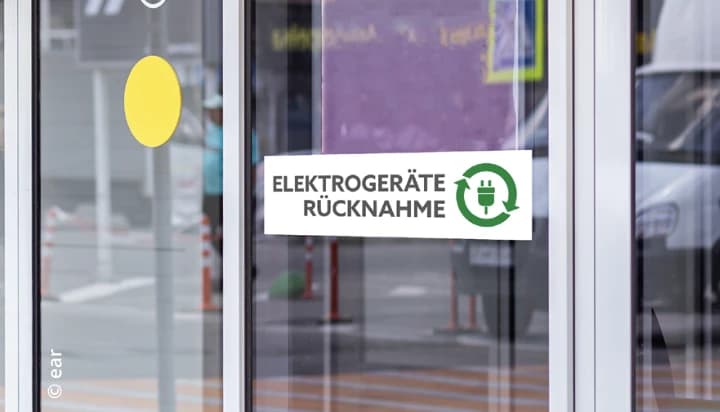
Under the updated requirements, consumers can return used disposable e-cigarettes free of charge to any retailer that sells them, including:
- Vape shops
- Convenience stores
- Kiosks
- Petrol stations
- Other small retail outlets
Importantly, consumers are not required to purchase a new device when returning an old one. The recycling service must be provided regardless of whether a new sale takes place, making disposal more convenient and encouraging higher participation in formal recycling programs.
The expanded obligations are based on Germany’s Electrical and Electronic Equipment Act (ElektroG), which classifies disposable vapes as electronic devices because they contain integrated batteries and electronic components.
Why Germany Is Tightening Vape Recycling Rules
Although disposable vapes are often viewed as inexpensive consumer products, regulators consider them electronic waste due to their built-in lithium-ion batteries.
Improper disposal presents several concerns:
- Lithium batteries can ignite if damaged during waste collection or processing.
- Valuable materials such as lithium, metals, and plastics are lost when devices enter general waste streams.
- Discarded devices increase environmental pollution and place additional pressure on waste management systems.
German authorities have repeatedly advised that disposable vapes should never be thrown into household rubbish, as damaged batteries can create fire hazards for waste collection vehicles and recycling facilities.
Greater Responsibilities for Retailers
The new regulations significantly expand the responsibilities of retailers beyond simply selling vaping products.
Businesses that offer disposable e-cigarettes are now expected to:
- Inform customers about available recycling services.
- Safely collect and temporarily store returned devices.
- Ensure discarded products are transferred to approved recycling channels.
- Train employees on handling lithium battery waste.
- Coordinate with recycling partners or producer responsibility schemes.
For smaller retailers, such as convenience stores and petrol stations, these new requirements may involve additional storage space, staff training, and logistics costs. Online retailers are also expected to provide clear information about how customers can return used products.
A Shift Toward Lifecycle Responsibility
Industry observers view the expanded recycling requirement as part of a broader shift in regulatory thinking.
Rather than focusing solely on issues such as youth access, nicotine limits, flavors, or marketing, regulators are increasingly examining the entire lifecycle of vaping products—from manufacturing and sales to disposal and recycling.
This reflects growing international attention to the environmental impact of disposable electronics, particularly products containing lithium batteries.
Could This Be a Step Toward a Disposable Vape Ban?
The recycling rules also arrive amid ongoing political discussions in Germany about the future of disposable e-cigarettes.
German environmental authorities and several regional governments have previously expressed support for stricter restrictions—or even a complete ban—on disposable vapes, citing concerns over environmental waste, resource consumption, and battery-related fire risks.
Many analysts believe the new recycling obligations could serve as a transitional measure. If the collection system proves effective, it may demonstrate that the industry can responsibly manage post-consumer waste. However, if large numbers of disposable vapes continue to be discarded improperly, policymakers could use that as further justification for stronger regulatory action.
Implications for the Vaping Industry
Germany’s latest policy sends a clear signal that compliance expectations for the vaping industry are evolving.
Manufacturers and retailers are now expected to address not only product safety and sales regulations but also environmental performance and end-of-life management. Future competition may increasingly depend on factors such as recyclable product design, battery safety, recycling partnerships, and consumer take-back programs.
For retailers, particularly small businesses that have traditionally played a major role in disposable vape sales, recycling responsibilities are becoming an integral part of everyday operations.
Looking Ahead
Germany’s expanded recycling requirements represent more than a change in waste collection procedures—they reflect a broader regulatory trend toward holding companies accountable for the full lifecycle of electronic products.
As environmental sustainability and battery safety become increasingly important policy priorities across Europe, Germany’s approach may serve as a model for other countries considering stricter oversight of disposable vaping products. Whether the new recycling framework ultimately reduces electronic waste—or paves the way for additional restrictions on disposable vapes—will likely become clearer as regulators assess its effectiveness in the months ahead.