









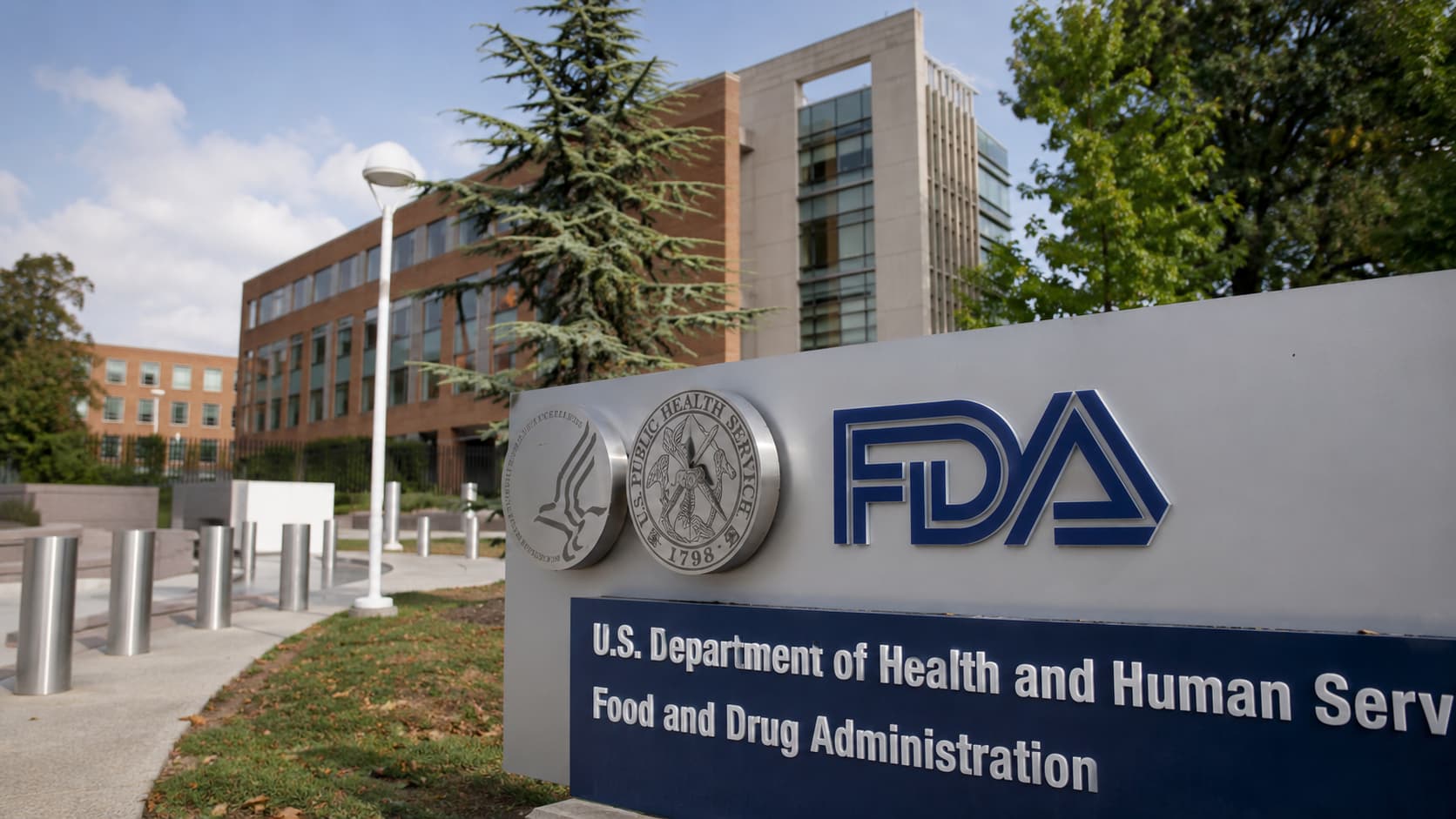
The U.S. Food and Drug Administration’s (FDA) proposed rule requiring overseas tobacco manufacturers to register their facilities and list products represents more than a new administrative requirement—it signals a broader shift toward comprehensive supply chain oversight for the global tobacco and nicotine industry.
Although the proposal, titled “Establishment Registration and Product Listing for Tobacco Products,” is still undergoing the rulemaking process and may change before being finalized, industry experts believe it provides a clear indication of the FDA’s future regulatory direction. For manufacturers outside the United States—particularly Chinese e-cigarette companies—the proposal suggests that market access will increasingly depend not only on product authorization but also on the transparency and compliance of the entire manufacturing and supply chain.
Expanding FDA Oversight to Overseas Manufacturers
Under the proposed regulation, foreign companies that manufacture, prepare, compound, process, or intend to export tobacco products to the United States would be required to register with the FDA and submit detailed product listing information.
According to the FDA, the objective is to improve visibility into overseas manufacturing operations, strengthen enforcement against unauthorized tobacco products—including unauthorized e-cigarettes—and support inspections of production facilities located outside the United States.
Currently, the FDA has limited direct oversight of foreign tobacco manufacturers. While many overseas companies already comply with domestic production and export regulations in their home countries, the FDA lacks a dedicated registration system that provides comprehensive information about overseas facilities supplying the U.S. market. The proposed rule is intended to close that gap.
Building on Existing Legal Authority
The proposal is not an entirely new regulatory concept. It draws its legal authority from the Family Smoking Prevention and Tobacco Control Act, enacted in 2009, which requires U.S. tobacco manufacturers to register with the FDA and list their products.
Although the law has long authorized the FDA to extend similar requirements to foreign manufacturers, implementing regulations have never been issued. The current proposal would finally establish that framework, bringing overseas manufacturers under a registration system comparable to that already applied domestically.
Applying Regulatory Practices from Medical Devices
Regulatory experts suggest the FDA is borrowing established compliance practices from other highly regulated industries.
Kristina Haysmer, Vice President of Quality and Compliance Consulting at Accorto Regulatory Solutions, notes that many elements of the proposal resemble long-standing FDA procedures used for pharmaceuticals and medical devices.
These include:
- Registration of manufacturing facilities
- Identification of parent and affiliated companies
- Electronic filing requirements
- Foreign establishment registration timelines
- Appointment of qualified U.S. representatives
While tobacco products remain subject to their own legal standards, the administrative framework increasingly mirrors regulatory systems already familiar to companies operating in the medical device and pharmaceutical sectors.
Registration Is Only the Beginning
Industry experts caution that registration should not be viewed as a simple paperwork exercise.
According to Haysmer, the proposed rule may represent the foundation of a much broader compliance system, requiring companies to develop more structured quality management practices than many tobacco manufacturers have previously maintained.
One important element is the requirement for qualified U.S. representatives. Rather than appointing freight forwarders or distributors, companies are expected to designate individuals or organizations capable of communicating effectively with FDA regulators during inspections and compliance reviews.
Connection to Future Manufacturing Standards
The proposal also appears closely linked to the FDA’s previously proposed Tobacco Product Manufacturing Practice (TPMP) regulations, which remain under review.
Experts believe the two initiatives are designed to complement one another.
In practical terms:
- Registration identifies who is manufacturing tobacco products.
- TPMP would establish how those manufacturers are expected to operate.
Together, these measures would move tobacco regulation toward a structure similar to that used for medical devices, where facility registration and quality management systems function as integrated components of regulatory oversight.
Compliance Extends Across the Entire Supply Chain
The proposal also reflects the FDA’s broader approach to supply chain accountability.
Rather than focusing solely on finished products, the emerging regulatory framework increasingly encompasses:
- Manufacturing facilities
- Product specifications
- Import procedures
- Quality systems
- Supply chain documentation
- Distribution channels
- Marketing practices
- Retail compliance
As regulatory obligations expand across multiple stages of the supply chain, compliance failures by one participant could have implications for manufacturers, specification developers, importers, distributors, retailers, and brand owners alike.
What Overseas Manufacturers Should Do Now
Although the rule has not yet been finalized, regulatory specialists advise companies not to wait before preparing.
Key priorities include:
- Determining whether company facilities or business entities fall within the FDA’s expanded definition of a manufacturer.
- Identifying an experienced U.S. regulatory representative.
- Reviewing documentation and quality management systems.
- Preparing manufacturing facilities for potential FDA inspections.
- Clarifying supplier responsibilities and contract manufacturing arrangements.
For larger manufacturers with existing regulatory teams, preparation may involve refining internal procedures and supply chain documentation. Smaller manufacturers and exporters, however, may need to establish entirely new compliance systems to meet future FDA expectations.
PMTA Requirements Remain Unchanged
Importantly, registration under the proposed rule would not replace existing FDA premarket authorization requirements.
Manufacturers seeking to market new tobacco or vaping products in the United States would still need to comply with the Premarket Tobacco Product Application (PMTA) process or another applicable marketing authorization pathway.
Registration is therefore expected to function as an additional layer of regulatory oversight rather than an alternative route to market approval.
Looking Ahead
Although the FDA’s proposal remains subject to public comment and revision, it sends a clear message about the future direction of U.S. tobacco regulation.
For international manufacturers, particularly those supplying the U.S. vaping market, compliance is evolving beyond product authorization alone. Increasingly, regulators are focusing on the transparency, traceability, documentation, and operational integrity of the entire supply chain.
If finalized, the new registration framework would represent a significant step toward a more comprehensive regulatory model—one in which manufacturing quality systems, supply chain governance, and regulatory readiness become as important as the products themselves. Companies that begin strengthening their compliance infrastructure now are likely to be better positioned as the FDA continues expanding oversight of the global tobacco and nicotine industry.