










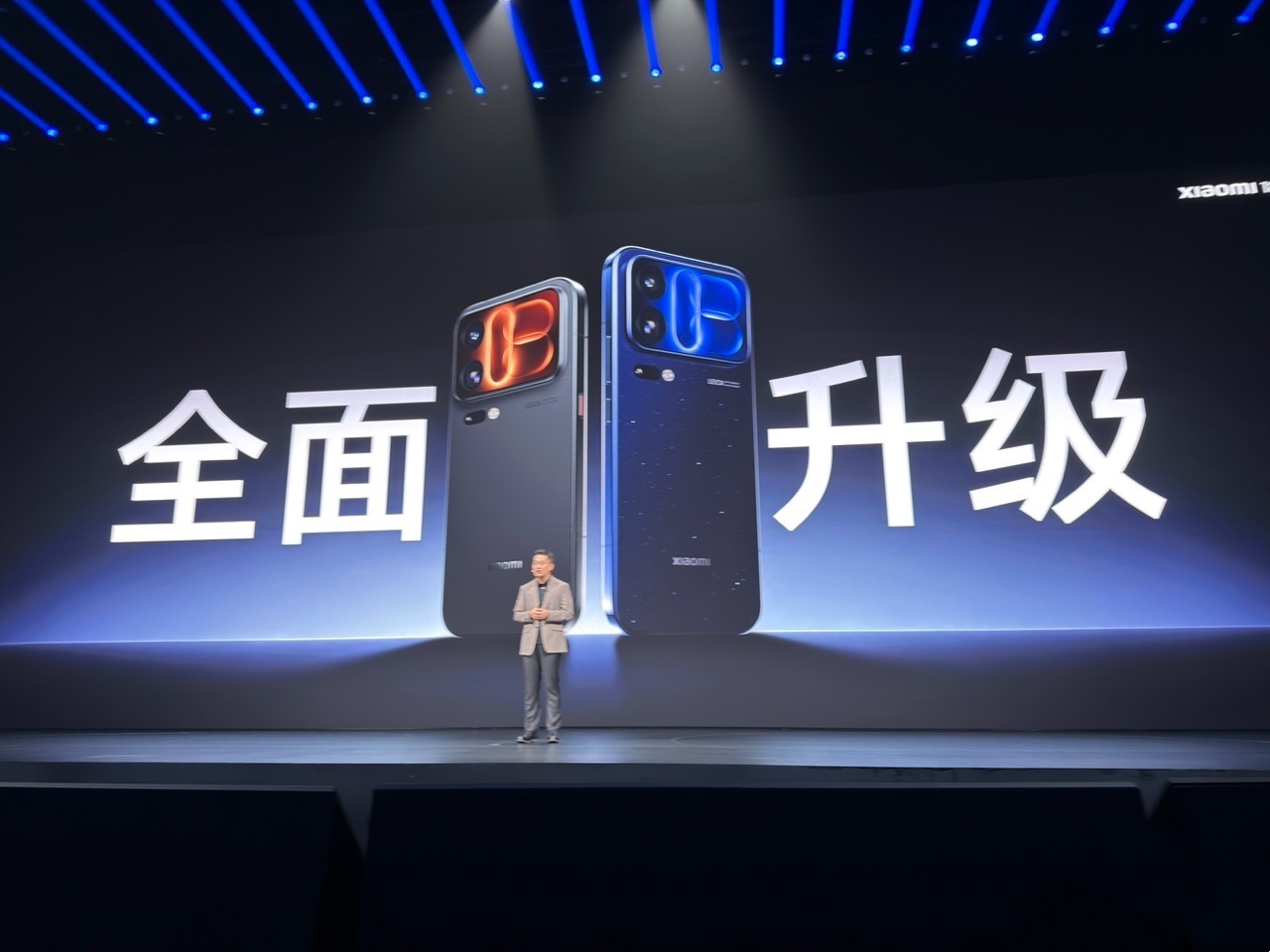
Xiaomi has officially launched the Xiaomi 18 Pro Max in China, introducing its latest flagship with a new 2nm Snapdragon platform, an enormous 8,500mAh battery, dual 200MP Leica cameras and an upgraded rear display.
The Xiaomi 18 Pro Max starts at 6,999 yuan and went on sale immediately after the launch. It sits above the Xiaomi 18 Pro as the larger and more performance-focused model in the new flagship lineup. Current launch coverage confirms that the Pro Max uses Qualcomm’s higher-end Snapdragon 8 Elite Extreme Gen 6 platform.
Xiaomi 18 Pro Max Price and Storage Options
The phone is available in four configurations in China:
- 12GB + 256GB: 6,999 yuan
- 12GB + 512GB: 7,999 yuan
- 16GB + 512GB: 8,999 yuan
- 16GB + 1TB: 9,999 yuan
Xiaomi is also offering the phone in four color options, including Galaxy Blue, Ice Peach Pink, Classic Black and White.
The company has positioned the Pro Max as a large flagship focused on performance, battery endurance, photography and AI-powered features.
Snapdragon 8 Elite Extreme Gen 6 Powers the Flagship
The processor is one of the biggest upgrades on the Xiaomi 18 Pro Max.
The phone debuts with Qualcomm’s Snapdragon 8 Elite Extreme Gen 6, built using a 2nm manufacturing process. Its CPU can reach 5GHz, while the new-generation GPU and NPU architectures are designed to improve both peak performance and AI processing.
Xiaomi has also equipped the phone with an OFFSET PoP high-thermal-conductivity chip package and a new ring-shaped cooling system.
The company claims that the improved thermal design can maintain maximum frame rates during demanding gaming sessions for up to one hour under heavy workloads.
Qualcomm’s new Snapdragon 8 Elite Extreme Gen 6 is positioned above the standard Snapdragon 8 Elite Gen 6 used in the Xiaomi 18 Pro, giving the Pro Max a dedicated performance advantage within the series.
8500mAh Jinshajiang Battery Is the Big Upgrade
Battery capacity is arguably one of the most noticeable changes on the Xiaomi 18 Pro Max.
The phone packs an 8,500mAh Xiaomi Jinshajiang battery, considerably larger than the 7,000mAh unit used by the Xiaomi 18 Pro.
For more context on Xiaomi’s approach to high-density smartphone batteries, check out our coverage of Xiaomi’s new-generation battery technology.”
Xiaomi’s silicon-enhanced battery technology is designed to increase energy density while keeping the physical size of the battery under control. The company has previously highlighted a silicon content of around 32% for the new battery technology used across the series.
The large capacity is particularly significant for a flagship with a powerful processor, high-brightness display and advanced camera hardware.
However, battery capacity alone does not determine actual runtime. Screen brightness, refresh rate, cellular connectivity, gaming and AI workloads can all affect endurance.
0.99mm Four-Sided Bezels and Curved Frame
The Xiaomi 18 Pro Max retains Xiaomi’s minimalist flagship design language with extremely narrow bezels.
The four surrounding display borders measure approximately 0.99mm, while the body uses a large micro-curved four-sided frame.
The result is a front panel with very little visible bezel and a softer transition between the display and the frame.
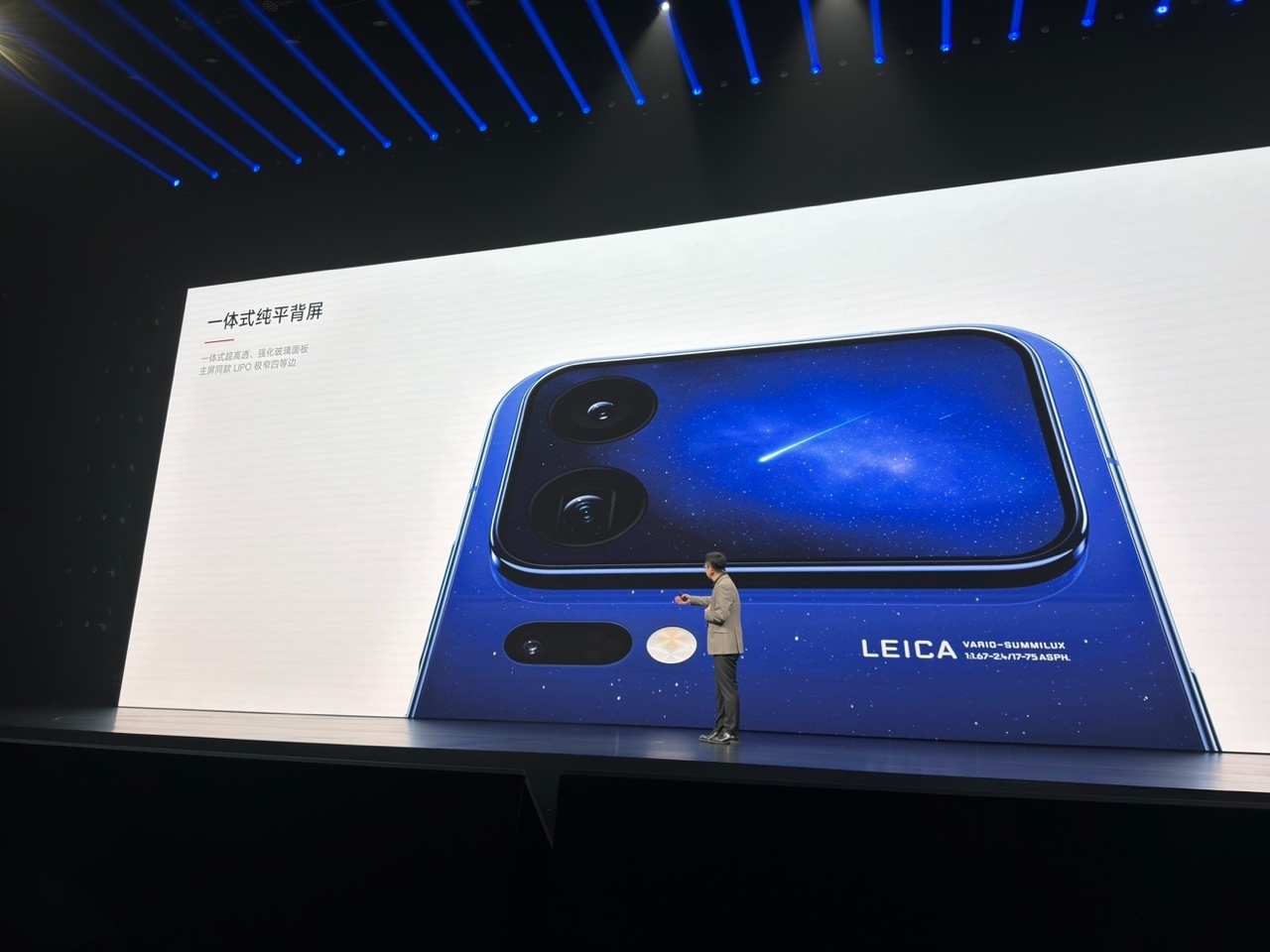
The rear of the phone also integrates Xiaomi’s secondary display into the camera area, continuing the concept introduced with the previous generation while expanding its functions.
SuperPixel 2.0 Display Reaches 4000 Nits
The Xiaomi 18 Pro Max introduces Xiaomi’s next-generation SuperPixel 2.0 display technology.
The panel uses the company’s new M11 light-emitting system and a new green-emitting material. If you are comparing Xiaomi’s newest screens, our guide to Xiaomi flagship displays and high-brightness panels explains technologies such as LTPO, wide color gamut and high peak brightness.
Key display features include:
- Up to 4,000 nits peak brightness
- BT.2020 wide color gamut
- LTPO adaptive refresh rate from 1Hz to 120Hz
- New M11 light-emitting technology
- Hardware-level intelligent privacy protection
The combination of LTPO technology and a 1–120Hz adaptive refresh rate allows the display to adjust its refresh rate according to the content being shown, potentially reducing unnecessary power consumption.
Hardware-Level Privacy Protection
One of the more unusual display features is Xiaomi’s hardware-level intelligent privacy mode.
The company says users can switch the privacy function on or off precisely while maintaining sharp viewing quality from the front when privacy protection is disabled.
The system can also be customized on an application-by-application basis.
Once an application is added to the privacy list, the phone can track protected areas at the pixel level across notifications, floating windows and multitasking interfaces.
Xiaomi’s Super XiaoAI assistant can also be used to create personalized privacy rules.
The phone adds a dedicated customizable AI button, which can provide a quick way to activate system-wide privacy protection.
For people who regularly use their phones on public transportation, in offices or other crowded environments, this could be one of the more practical additions to the new display system.
Dual 200MP Leica Cameras Lead the Camera System
The Xiaomi 18 Pro Max features a triple Leica camera system covering a wide range of focal lengths.
The setup includes:
- 200MP Leica main camera with a 1/1.28-inch large sensor
- 200MP Leica periscope telephoto camera with a 1/1.56-inch sensor
- 50MP Leica ultra-wide camera
The 200MP periscope telephoto camera supports close focusing at approximately 12cm, allowing the same lens to handle both long-distance photography and close-up shots.
The use of two 200MP sensors is one of the most distinctive aspects of the Xiaomi 18 Pro Max camera system. Current launch reports confirm that both the main and periscope telephoto cameras use 200MP sensors.
Rather than putting most of the resolution into the primary camera alone, Xiaomi is using high-resolution sensors across two important focal lengths.
“Legendary Moment” Uses AI for Camera-Like Rendering
The Xiaomi 18 Pro Max also introduces a new large-model imaging feature called “Legendary Moment.”
Xiaomi says the system uses AI to reproduce a more traditional optical-camera look while maintaining the original image data captured by the sensor.
The feature uses a dual-path workflow:
On-device processing:
Users can shoot directly on the phone and choose from three classic camera styles.
Cloud processing:
Image data can be processed in the cloud to reproduce what Xiaomi describes as a more camera-like optical character.
The goal is to reduce the amount of manual editing needed after taking a photo and produce a finished image more quickly.
AI Photo Assistant Helps With Composition
The Xiaomi 18 Pro Max also includes an AI Photo Assistant designed to help users before and during photography.
Before taking a picture, the system can recognize the user’s location and recommend popular shooting positions.
During shooting, it can analyze the scene, provide composition suggestions and select an appropriate filter.
It can also provide guidance on posing to help subjects appear more natural.
This makes the feature more like an automated photography assistant than a simple AI image-enhancement tool.
The Rear Display Gets a Major AI Upgrade
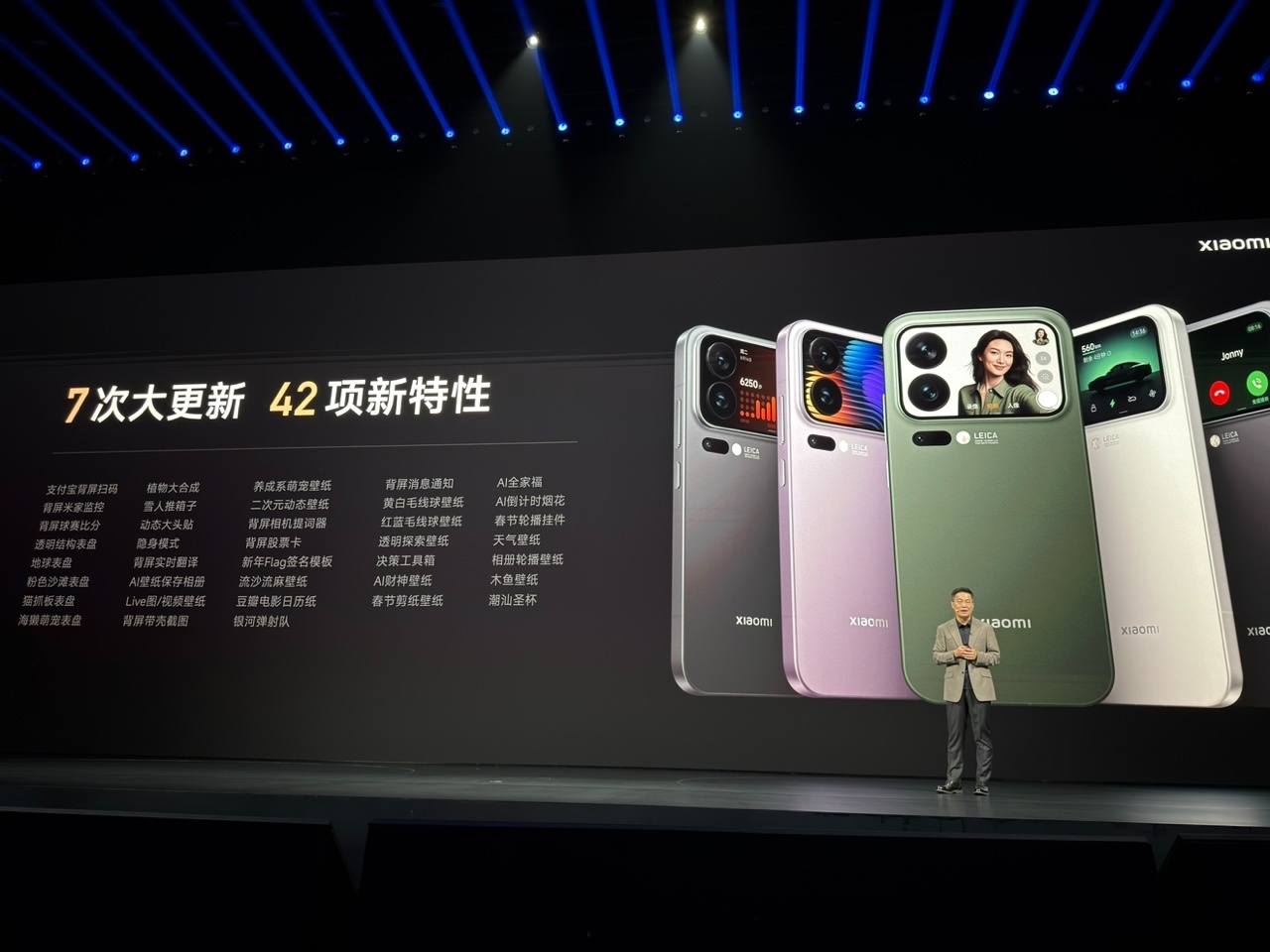
The rear display is one of the defining features of the Xiaomi 18 Pro Max.
Xiaomi calls the system the MiaoXiang rear display, and the new generation adds more AI-powered customization options.
The AI-powered rear display can generate personalized wallpapers from photos and recognize characteristics of pets. It can also create AI images involving celebrities and refresh classic cultural-art imagery.
The secondary screen supports more than 100 rear-display application cards at launch, including:
- Quick tools
- Information and notification panels
- Small games
- AI-generated content
- Personalized widgets
Xiaomi says the rear-screen ecosystem has already accumulated significant usage, with the company citing 3.97 million daily active users, 138 million monthly uses of the rear-screen assistant, and 497 million monthly rear-wallpaper additions. These figures are Xiaomi’s own reported usage statistics rather than independently audited measurements.
The rear display therefore isn’t being positioned merely as a decorative second screen. Xiaomi is trying to turn it into a separate interactive area for notifications, customization, photography and lightweight applications.
Three-Speaker Audio and Advanced Connectivity
The Xiaomi 18 Pro Max also includes a three-speaker stereo system and Xiaomi’s new ultra-wideband Cyber Engine for enhanced haptic feedback.
Connectivity features include UWB ultra-wideband communication, which can be used for compatible device-to-device interactions and Xiaomi’s broader smart-device ecosystem.
The phone also carries IP66, IP68 and IP69 dust and water-resistance ratings.
HyperOS 4 Comes Preinstalled
The Xiaomi 18 Pro Max ships with HyperOS 4.
The new software introduces Xiaomi’s latest visual design direction, which the company describes as “Life-Like Aesthetics.”
More importantly, the system integrates the company’s latest AI assistant, Super XiaoAI 2.0.
Super XiaoAI 2.0 and Xiaomi MiMo AI
Super XiaoAI 2.0 is built around Xiaomi’s MiMo large model and is designed to move beyond basic voice commands.
Xiaomi says the assistant supports:
- One-tap memory
- Autonomous reasoning
- Complex task execution
- Cross-device interaction
- Smartphone data access from tablets and PCs
- Privacy and data-protection features
The cross-device functionality is particularly interesting.
According to Xiaomi, compatible tablets and PCs can directly work with data stored on the phone, potentially making the smartphone part of a broader multi-device workflow rather than an isolated device.
Xiaomi 18 Pro Max Specifications at a Glance
| Feature | Xiaomi 18 Pro Max |
|---|---|
| Processor | Snapdragon 8 Elite Extreme Gen 6 |
| Manufacturing process | 2nm |
| CPU | Up to 5GHz |
| Battery | 8,500mAh |
| Display technology | SuperPixel 2.0 |
| Peak brightness | 4,000 nits |
| Refresh rate | 1–120Hz LTPO |
| Main camera | 200MP Leica |
| Telephoto | 200MP Leica periscope |
| Ultra-wide | 50MP Leica |
| Rear display | MiaoXiang rear display |
| AI imaging | Legendary Moment |
| OS | HyperOS 4 |
| AI assistant | Super XiaoAI 2.0 |
| UWB | Yes |
| Water/dust resistance | IP66/IP68/IP69 |
| Starting price | 6,999 yuan |
Xiaomi 18 Pro Max vs Xiaomi 18 Pro: What’s Different?
The biggest differences are concentrated in performance and battery capacity.
| Feature | Xiaomi 18 Pro | Xiaomi 18 Pro Max |
|---|---|---|
| Starting price | 5,999 yuan | 6,999 yuan |
| Battery | 7,000mAh | 8,500mAh |
| Processor | Snapdragon 8 Elite Gen 6 | Snapdragon 8 Elite Extreme Gen 6 |
| Main camera | 200MP Leica | 200MP Leica |
| Telephoto | 200MP Leica | 200MP Leica periscope |
| Rear display | Yes | Yes |
| HyperOS | HyperOS 4 | HyperOS 4 |
The Pro Max therefore isn’t simply a larger version of the standard Pro. Xiaomi has also differentiated the two models through the processor and battery configuration. Current reporting confirms the standard Pro uses Snapdragon 8 Elite Gen 6, while the Pro Max uses the higher-end Extreme version.
Final Thoughts
The Xiaomi 18 Pro Max is built around three major ideas: extreme battery capacity, flagship-level processing and a more interactive secondary display.
The 8,500mAh Jinshajiang battery is arguably the most practical hardware upgrade, while the Snapdragon 8 Elite Extreme Gen 6 gives the phone Xiaomi’s highest-end mobile platform for this generation.
The camera system is equally ambitious, with two 200MP Leica sensors covering the main and periscope telephoto focal lengths.
Meanwhile, the rear display and HyperOS 4 give Xiaomi another way to differentiate the phone from conventional flagship designs.
With a starting price of 6,999 yuan, the Xiaomi 18 Pro Max is positioned as the premium model in the new Xiaomi 18 Pro family, combining a massive battery, 2nm processing hardware, high-end Leica imaging and an increasingly capable rear-screen ecosystem.