









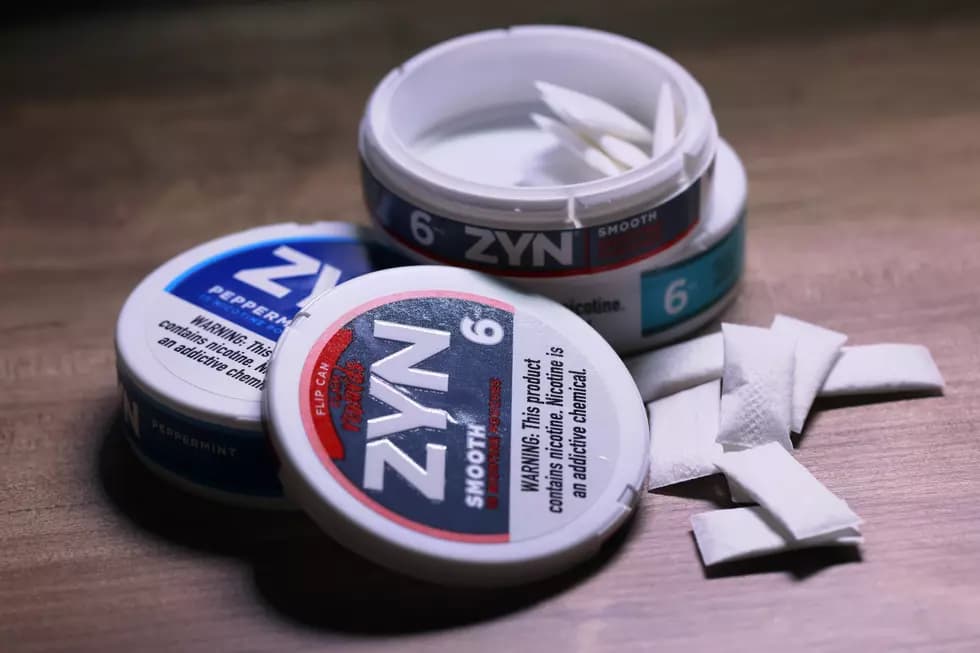
Starting September 1, 2026, New York State will bring alternative nicotine products, including tobacco-free nicotine pouches, under its tobacco-products tax system. According to Notice N-26-2 issued by the New York State Department of Taxation and Finance, eligible products will be taxed at 75% of their wholesale value.
The change also comes with an immediate inventory obligation. Businesses holding covered products at 11:59 p.m. on August 31, 2026, must conduct a physical inventory and pay a corresponding floor tax.
However, the new 75% levy does not apply to vapor products. E-cigarettes and other qualifying vapor products remain under New York’s existing 20% supplemental sales tax on retail sales.
The Tax Department published Notice N-26-2 on July 9, providing details on the new tax category, applicable rates, inventory requirements, licensing rules and compliance deadlines.
Nicotine Pouches Will Be Taxed at 75% of Wholesale Price
New York’s definition of an alternative nicotine product covers certain noncombustible products containing nicotine but no tobacco that are intended for human consumption through methods such as chewing, absorption or dissolution.
That category includes tobacco-free nicotine pouches, including products such as ZYN. For readers unfamiliar with the category, our guide to nicotine pouches explains how these tobacco-free nicotine products work and how they differ from traditional tobacco products.
Starting September 1, the state will apply its tobacco-products tax to these products at 75% of the wholesale price, with distributors generally responsible for the tax.
The wholesale price is generally determined from the amount charged when tobacco products are sold to a distributor. The calculation can include certain federal excise taxes and is made before deductions such as discounts, rebates, trade allowances or other reductions.
Importantly, a 75% wholesale tax does not mean the retail price of a nicotine pouch product will automatically rise by 75%.
The eventual effect on consumers will depend on how manufacturers, distributors and retailers absorb or pass along the additional cost. The state’s guidance does not provide specific post-tax retail prices for individual brands.
Products Already in Stock on August 31 Are Also Covered
One of the most significant parts of the new rules is the floor-tax requirement.
The tax applies not only to alternative nicotine products obtained after September 1. Businesses must also account for qualifying inventory already in their possession immediately before the new tax takes effect.
Distributors, wholesale dealers and retail dealers must conduct a physical count of covered alternative nicotine products held at 11:59 p.m. on August 31, 2026.
The resulting inventory is subject to the 75% floor tax.
Businesses must submit the applicable floor-tax return and pay the amount due by September 21, 2026.
For retail dealers, the state permits a specific method for determining the wholesale price for floor-tax purposes: 50% of the selling price, excluding sales tax, may be used.
The rules also cover qualifying products stored in vending machines. Businesses with multiple locations must account for inventory at each location as part of the required reporting process.
This means inventory purchased before September 1 isn’t automatically exempt. If qualifying products remain in stock at the August 31 cutoff, they can create a floor-tax liability.
New York Will Treat Nicotine Pouches and Vapes Differently
The 75% tax is easy to misunderstand because New York is not applying the same tax treatment to every modern nicotine product.
Vapor products are specifically excluded from the new alternative-nicotine category.
That doesn’t mean vaping products are tax-free. New York has maintained a separate tax mechanism for vapor products since December 1, 2019, when the state introduced a 20% supplemental sales tax on retail vapor-product sales. You can also read our vape tax and regulation guide for a broader look at how governments are changing taxes and compliance requirements for vaping products.
Registered vapor-product retailers collect that tax when the product is sold to consumers.
The two systems can be summarized as follows:
| Product | Tax Rate | Tax Base | Generally Collected/Reported |
|---|---|---|---|
| Vapor products | 20% | Retail selling price | Retail dealer at sale |
| Alternative nicotine products, including nicotine pouches | 75% | Wholesale price | Generally distributors |
| Alternative nicotine products held at Aug. 31 | 75% | Wholesale price / applicable floor-tax calculation | Through floor-tax filing |
The distinction is important because the two taxes are calculated using different price bases.
Consequently, it would be misleading to say that nicotine pouches are simply taxed at 3.75 times the rate applied to vapor products. A meaningful comparison requires knowing both the wholesale cost and final retail price.
What Counts as a Vapor Product?
New York’s vapor-product definition generally covers noncombustible liquids or gels intended for use with electronic cigarettes, electronic cigars, electronic pipes, vaping pens, hookah pens and similar devices.
The definition can apply whether or not the liquid contains nicotine.
Because these products remain within the state’s existing vapor-product tax structure, the September 1 change does not create a blanket 75% tax on all alternative nicotine products.
Instead, the legislation places qualifying tobacco-free nicotine products such as nicotine pouches into the state’s tobacco-products tax framework while leaving vapor products under their existing retail-tax system. For more background on nicotine-containing vaping products, see our nicotine salt guide.
Licensing and Registration Rules Also Expand
The tax change is accompanied by additional compliance considerations for businesses involved in the nicotine-pouch supply chain.
Companies importing, distributing, wholesaling or retailing qualifying alternative nicotine products in New York must have the appropriate tobacco-product license or registration in place by September 1.
Businesses that already hold the necessary New York tobacco-product license or registration generally do not need to obtain another registration solely because they begin selling alternative nicotine products.
The change therefore affects more than the price of nicotine products.
Businesses may need to review:
- product classification
- licensing status
- inventory records
- wholesale pricing
- retail pricing
- floor-tax calculations
- filing procedures
- distribution arrangements
Businesses Face Two Immediate Deadlines
For companies handling nicotine pouches and other covered alternative nicotine products, the transition creates two dates that require particular attention.
August 31, 2026
Businesses must determine their qualifying inventory as of 11:59 p.m.
September 21, 2026
The required floor-tax return and payment are due.
Missing the filing or payment requirements can result in additional costs, including interest and potential civil or criminal penalties.
Businesses should therefore avoid treating September 1 as the only relevant date. The inventory position at the end of August is an important part of the transition.
Will Consumers Pay More for Nicotine Pouches?
Probably—but the size of any retail increase isn’t predetermined by the 75% tax rate.
The tax is imposed on the wholesale price, not directly as a 75% surcharge on the consumer’s final purchase price.
Consider a simplified example.
If a product has a wholesale price of $10, a 75% tax would represent $7.50 in tax at the wholesale level.
That does not mean the final retail price must increase by exactly $7.50.
A manufacturer, distributor or retailer could absorb some of the cost, pass all of it forward, or adjust margins and pricing at different points in the supply chain.
The actual consumer impact will therefore depend on the economics of each product and how businesses respond.
The Floor Tax Could Affect Existing Inventory
The floor-tax requirement may be particularly important for retailers and distributors carrying significant quantities of nicotine pouches.
Products purchased before the effective date can still be subject to tax if they are held in inventory at the specified August 31 cutoff.
That creates a different situation from simply taxing new shipments entering New York after September 1.
Businesses may therefore need to reconcile their inventory records, determine the applicable wholesale-price calculation and prepare for the September filing deadline before the new tax takes effect.
What This Means for the Nicotine Market
New York’s move significantly changes the tax treatment of nicotine pouches.
The category had previously occupied a different position from conventional tobacco products and vapor products. Beginning September 1, qualifying alternative nicotine products will be incorporated into New York’s tobacco-products tax framework at a 75% wholesale rate.
For manufacturers and distributors, the immediate concern is the increased cost associated with moving products through the New York market.
For retailers, the challenge includes both the new tax exposure and the requirement to account for inventory held before the effective date.
For consumers, the eventual effect will depend on how much of those higher costs are reflected in retail prices.
Bottom Line
New York’s new 75% tax on alternative nicotine products represents a major change for the state’s nicotine-pouch market.
The rule takes effect September 1, 2026, while qualifying inventory held at 11:59 p.m. on August 31 is subject to a floor-tax requirement. Businesses generally have until September 21 to file and pay the floor tax.
At the same time, vapor products remain outside the new category and continue to face New York’s existing 20% retail supplemental sales tax.
The most important point for consumers and businesses is that the 75% figure applies to the wholesale price, not directly to the final retail price.
The final impact on consumers will depend on how manufacturers, distributors, and retailers absorb or pass on the added tax burden. For businesses, the key steps are to identify covered products, record inventory as of August 31, verify licensing and registration requirements, and complete the floor-tax return and payment by September 21.