










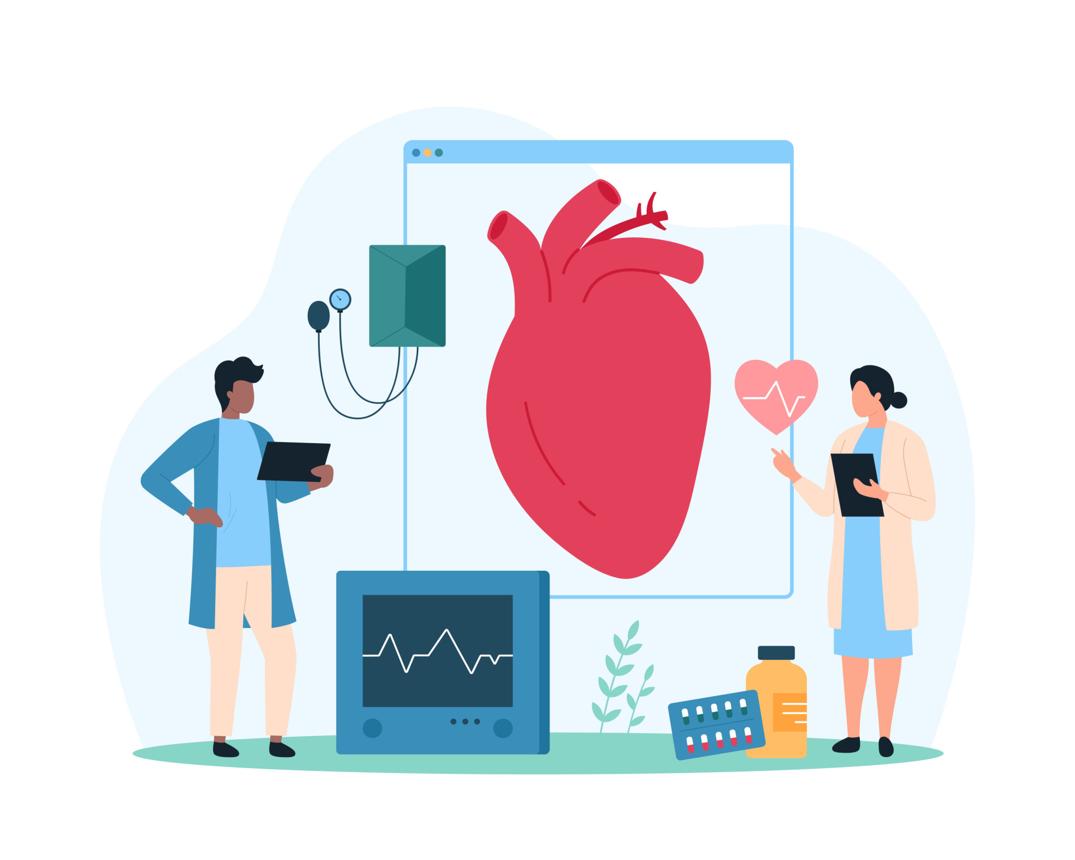
Vaping is often marketed as a “cleaner” alternative to traditional smoking, leading many people to wonder whether it may also have fewer cardiovascular effects — or even reduce blood pressure in some cases. The answer is complicated.
Current research suggests that vaping does not directly lower blood pressure in most people. In fact, nicotine-containing e-cigarettes usually cause a temporary increase in blood pressure and heart rate. However, there are some situations where people switching from cigarettes to vaping may experience improvements in overall cardiovascular health over time.
How Nicotine Affects Blood Pressure
Most vaping products contain nicotine, a stimulant that activates the body’s sympathetic nervous system.
Nicotine can:
- Narrow blood vessels
- Increase heart rate
- Raise blood pressure temporarily
- Increase adrenaline release
These effects are similar to what happens when someone smokes traditional cigarettes. According to cardiovascular studies, nicotine exposure can lead to acute spikes in systolic blood pressure shortly after vaping.
Why Some People Think Vaping Lowers Blood Pressure
The confusion often comes from people who switch from smoking cigarettes to vaping.
Traditional cigarettes expose users to:
- Carbon monoxide
- Tar
- Combustion toxins
- Thousands of harmful chemicals
When smokers stop using combustible tobacco and switch entirely to vaping, some cardiovascular markers may improve because they are no longer inhaling smoke. Some former smokers report:
- Better breathing
- Lower resting heart rate
- Improved circulation
- Reduced stress from nicotine withdrawal
In these cases, blood pressure improvements may happen indirectly because smoking itself was damaging cardiovascular health more severely.
However, researchers generally caution that this does not mean vaping itself lowers blood pressure.
What Studies Say About Vaping and Blood Pressure
Research findings remain mixed because vaping products vary widely in:
- Nicotine concentration
- Device power
- Flavor chemicals
- Frequency of use
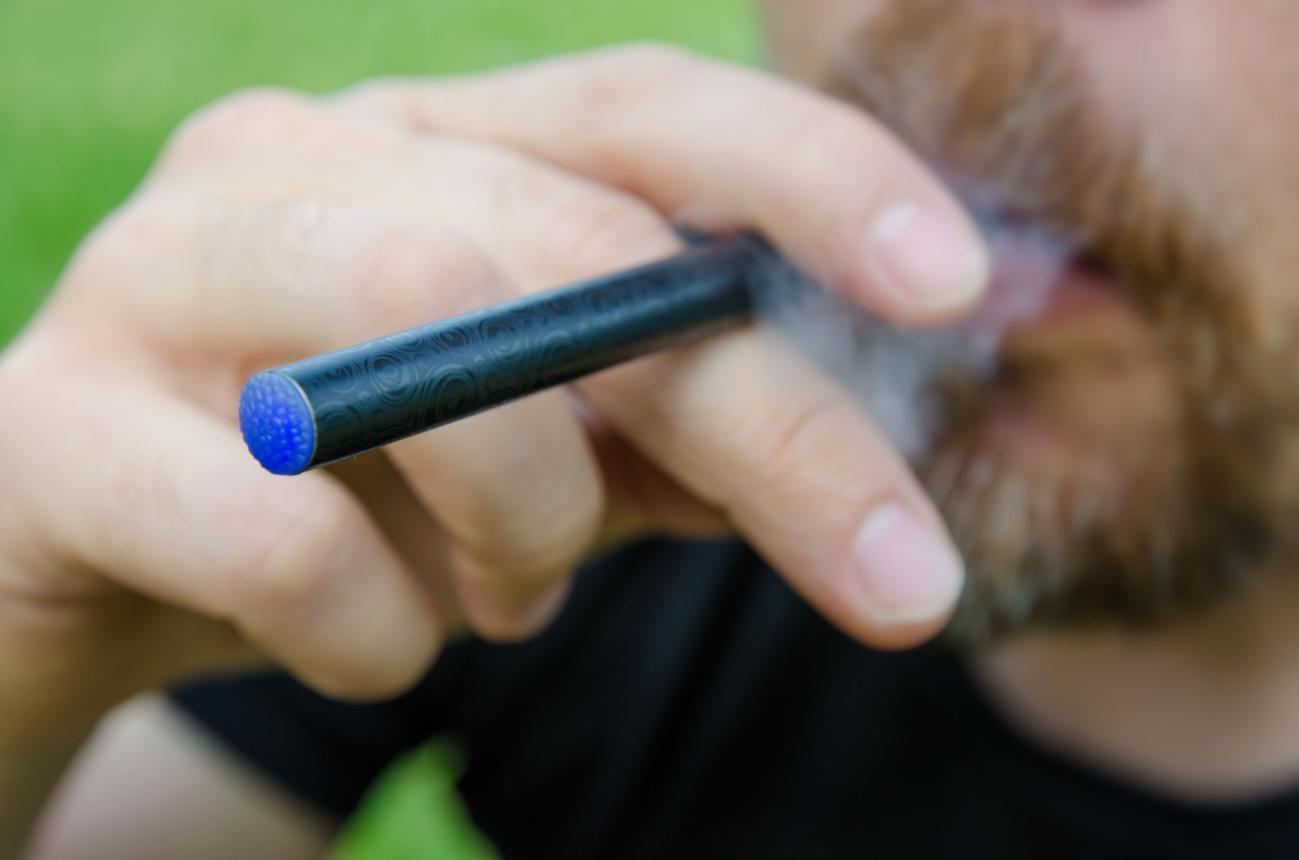
Still, many clinical studies show that nicotine vaping tends to increase blood pressure immediately after use.
A 2022 cardiovascular study presented by the ### American Heart Association found that people who vape experienced blood vessel constriction and increases in heart rate similar to cigarette smokers.
Some researchers have also raised concerns that long-term vaping may contribute to:
- Arterial stiffness
- Chronic inflammation
- Oxidative stress
- Endothelial dysfunction
These factors are associated with hypertension and heart disease.

Could Nicotine-Free Vaping Be Different?
Nicotine-free vaping products may have fewer direct cardiovascular effects because they do not stimulate the nervous system in the same way.
However, scientists are still studying whether:
- Flavoring chemicals
- Aerosol particles
- Heated solvents
may affect blood vessels and circulation over time.
At present, there is not enough evidence to conclude that nicotine-free vaping lowers blood pressure in a medically meaningful way.
Stress, Anxiety, and Blood Pressure
Some people feel calmer after vaping nicotine, especially if they are regular nicotine users. This temporary relaxation can create the impression that blood pressure is decreasing.
In reality:
- Nicotine withdrawal can increase stress temporarily
- Using nicotine may relieve withdrawal symptoms
- The body still experiences stimulant effects internally
So while a user may feel relaxed psychologically, blood pressure and heart rate can still rise physiologically.
What Doctors Generally Recommend
Most medical organizations do not recommend vaping as a treatment for high blood pressure.
The ### Centers for Disease Control and Prevention and the ### American Heart Association both state that more long-term research is needed to fully understand vaping’s cardiovascular effects. (cdc.gov)
For people with hypertension, doctors usually recommend:
- Reducing nicotine intake
- Exercising regularly
- Improving diet
- Managing stress
- Limiting alcohol
- Quitting smoking entirely
Final Thoughts
Current scientific evidence does not support the idea that vaping directly lowers blood pressure. In most cases, nicotine vaping actually causes short-term increases in blood pressure and heart rate.
However, smokers who completely switch from cigarettes to vaping may sometimes see indirect cardiovascular improvements because they are reducing exposure to harmful smoke and combustion chemicals.
Researchers continue studying the long-term health effects of vaping, but for now, vaping should not be viewed as a reliable or healthy method for lowering blood pressure.