










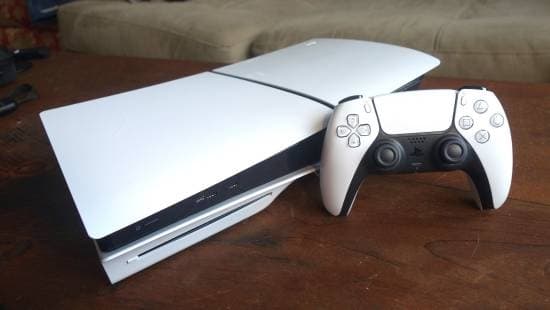
As AI data centers voraciously consume memory chips, the gaming industry is currently experiencing an unprecedented “memory famine”.
This crisis has forced Sony to re-adjust the schedule for its next-generation console. Based on information from multiple media outlets and well-known sources, the PS6 originally scheduled to be launched in 2027 is likely to be postponed to the end of 2028 or even 2029.
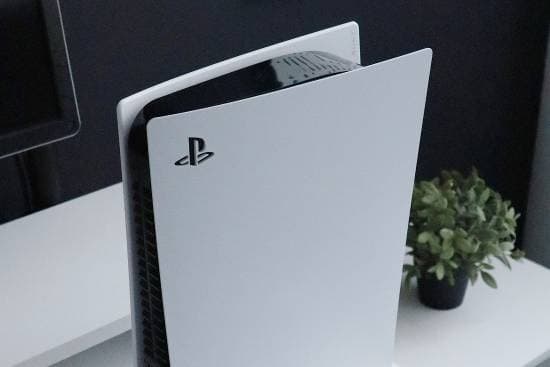
Meanwhile, Sony is planning a “multi-device” hardware revolution – apart from the standard PS6 console, it will also launch a Lite version and a native high-performance handheld device with the code name “Project Canis”, which will directly compete with Switch 2 and Steam Deck.
To address the high cost of memory, Sony plans to adopt a tiered pricing strategy.

The PS6 Lite is priced at approximately $350 – $500; the all-in-one handheld console Project Canis is priced at $400 – $500, featuring a detachable base and the ability to run PS5-level games locally; while the flagship version of PS6 (codenamed Orion) is likely to cost between $699 and $999.
According to the leaked roadmap by AMD, the PS6 will adopt a customized solution: Zen6 CPU, RDNA5 GPU (with ray tracing performance 6-12 times that of PS5), up to 32GB of DDR7 memory, and a standard 2TB SSD, and will integrate a neural network unit to enhance PSSR 2.0 AI super-resolution and frame generation capabilities.